10 Best Tips to Maintain Garden Tools for Winter Storage?

Time:2026-08-25 Author:Ethan
0%

As winter approaches, proper storage of garden tools becomes crucial. John Green, a gardening expert with over 20 years of experience, emphasizes, "Caring for your tools in winter ensures their longevity and effectiveness." Knowing how to maintain garden tools for winter storage can save you time and money in the long run.

Winter can be harsh on your garden equipment. Neglecting proper storage may lead to rust, decay, and damage. Clean your tools thoroughly before storing them. Removing dirt and moisture helps prevent corrosion. Consider applying a protective oil for added longevity.

Using the right storage methods also matters. Keep tools in a dry, climate-controlled area to avoid temperature fluctuations. Organize them neatly to prevent unnecessary wear. Many gardeners overlook simple practices that can drastically improve tool lifespan. Remember, taking a little time now can make a big difference in the spring.
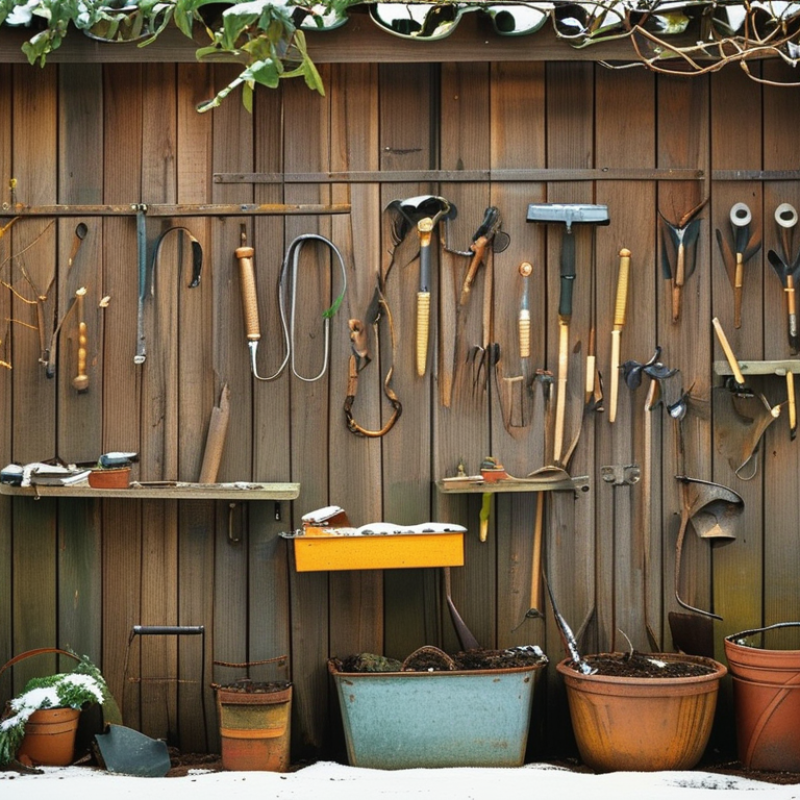
10 Best Tips to Maintain Garden Tools for Winter Storage?

Best Practices for Cleaning Garden Tools Before Winter Storage

Cleaning garden tools before winter storage is essential for maintaining their longevity. Begin by removing dirt and debris from your tools. Use a stiff brush to scrub off stubborn soil. Pay special attention to crevices where mud can hide. If necessary, rinse with water, but ensure they dry completely afterward to prevent rust.

Next, inspect for any signs of damage. Small nicks or dull blades can make gardening difficult in the spring. Sharpen blades using a file or sharpening stone. This process, while straightforward, is sometimes overlooked. A little time spent on maintenance now will save frustration later. Remember to oil metal surfaces after cleaning; this will create a barrier against moisture.

Finally, consider the storage environment. Tools should be stored in a dry, sheltered space. Hanging them up can prevent them from getting tangled or damaged. Think about the organization of your tool shed or garage. Sometimes, tools can become forgotten in a cluttered space. Taking a few moments to clean and organize now can lead to a smoother gardening season next year.

Importance of Sharpening Edges for Long-term Tool Performance

Sharpening the edges of your garden tools is crucial for their long-term performance. A sharp tool cuts cleanly, reducing the effort required during use. This not only saves energy but also leads to better, healthier plant cuts. Over time, dull edges can lead to injuries, as extra pressure is needed, and tools can slip unexpectedly. Regularly honing these edges before winter storage ensures they remain effective when the gardening season resumes.

To maintain your tools effectively, begin by cleaning the blades and removing any dirt or sap. A mixture of soapy water works wonders. Once scrubbed, dry them thoroughly to prevent rust. After cleaning, sharpen the edges. A flat file or sharpening stone will do the trick. Always follow the original angle of the blade for optimal results. Store them in a dry location, ideally hanging, to avoid moisture accumulation. Even during storage, check them periodically for rust or dullness.

Neglecting tool maintenance can be easy, especially in the busy gardening season. It’s common to overlook the small details like cleaning and sharpening. However, taking just a little time now can extend the life of your tools significantly. Reflections on past experiences reveal that poorly maintained tools often lead to frustrations and unproductive days in the garden. Prioritizing tool care can enhance not only performance but also enjoyment in gardening.

10 Best Tips to Maintain Garden Tools for Winter Storage

Optimal Conditions for Storing Garden Tools to Prevent Rust

To prevent rust on garden tools during winter storage, creating optimal conditions is vital. Start by cleaning every tool thoroughly. Remove dirt, sap, and residue. A brush or cloth can help in getting into small crevices. This step ensures that nothing harmful is left that could lead to rust.

Once clean, drying is crucial. Water left on tools is a prime cause of rust. Store your tools in a dry place with low humidity levels. Consider using a dehumidifier if necessary. Another effective method is to apply a thin coat of oil on metal surfaces. This layer acts as a barrier against moisture.

For added protection, keep tools off the ground. Use racks or shelves instead. Doing so allows for air circulation, reducing moisture exposure. Regular checks throughout the winter can help you identify any early signs of rust. Reflect on your storage practices to enhance tool longevity. Adjust methods as needed for your unique climate.

Protecting Wooden Handles: Treatments and Oils to Use

When preparing your garden tools for winter storage, the care of wooden handles is crucial. Wooden handles can dry out and crack without proper treatment. Begin by cleaning the handles with a damp cloth to remove dirt and grime. Once dry, apply a coat of linseed oil or mineral oil to nourish the wood. This treatment penetrates deeply, helping to prevent moisture loss and maintain flexibility.

Consider the frequency of treatment. Even a single application can significantly extend the life of your tools. If your handles feel rough or brittle, it may signal the need for more frequent maintenance. Regular checks can help you identify issues early before they lead to irreversible damage.

After oiling, store your tools in a dry place to avoid dampness. Wrap wooden handles in a breathable cloth if storing for an extended period. The right care will ensure your tools remain functional and ready for use when spring arrives. When winter ends, you’ll be grateful for the efforts taken now. Each treatment is an investment in your gardening journey.

10 Best Tips to Maintain Garden Tools for Winter Storage

Tip Description Recommended Treatment
Clean Tools Remove dirt, sap, and debris from all tools. Use soapy water and a scrub brush, then rinse and dry.
Sharpen Blades Keep blades sharp for effective cutting. Use a sharpening stone or file.
Oil Metal Parts Prevents rust and corrosion on metal surfaces. Use mineral oil or machine oil.
Protect Wooden Handles Prevent cracking and drying out of wooden handles. Use linseed oil or teak oil.
Store in a Dry Place Avoid moisture damage to tools. Keep tools in a shed or garage.
Use Protective Covers Prevents dust accumulation and scratches. Utilize tool covers or tarps.
Check for Loose Parts Ensure all screws and bolts are tight. Use a wrench or screwdriver to secure.
Inspect for Damage Look for any signs of wear or damage. Repair or replace damaged tools.
Inventory Tools Keep track of all garden tools you have. Make a checklist of your tools.

Inventory Checklist for Garden Tools: Ensuring Proper Winter Care

When preparing garden tools for winter storage, an inventory checklist can help you stay organized. Start by gathering all your tools in one location, making it easier to assess their condition. Check for rust, broken handles, or dull blades. Take note of any repairs needed. This will ensure that all tools are ready for use when spring arrives.

Next, clean each tool thoroughly. Remove soil and debris, as they can lead to rust over time. Wipe down metal parts with oil to prevent moisture buildup. Wooden handles should be sanded lightly and treated with a wood preservative. Storing them in a dry, cool place will also help prolong their lifespan. Consider using a pegboard or racks to keep everything organized.

This process often reveals tools you may have overlooked. Sometimes, it's easy to hold onto items that are beyond repair. Reflect on what you truly use and need. Doing so can help create space and keep your gardening area tidy. Keeping an accurate inventory will make maintenance easier and help you avoid unnecessary purchases in the future.

FAQS

: Why is sharpening garden tools important?

: Sharpening tools makes cuts cleaner and reduces effort, saving energy. Dull tools can slip and cause injuries.

How should I clean my garden tools?

Use soapy water to scrub blades free of dirt and sap. Dry thoroughly to prevent rust.

What is the best way to sharpen tool edges?

Use a flat file or sharpening stone, following the original blade angle for optimal results.

Where is the best place to store garden tools?

Store tools in a dry location, ideally hanging, to avoid moisture accumulation and rust.

How often should I check my tools during storage?

Periodically check tools for rust or dullness even while they are stored away.

How can I protect wooden handles?

Clean handles with a damp cloth and apply linseed or mineral oil to nourish and maintain flexibility.

What indicates that my wooden handles need more treatment?

Rough or brittle handles suggest the need for more frequent maintenance to prevent damage.

How should I store tools with wooden handles for winter?

Wrap wooden handles in a breathable cloth and store in a dry place to avoid dampness.

What are the consequences of neglecting tool maintenance?

Neglecting maintenance can lead to frustration and unproductive gardening days due to poor performance.

How does regular tool care impact gardening enjoyment?

Prioritizing tool care enhances performance and makes gardening more enjoyable and rewarding overall.

Conclusion

Maintaining garden tools for winter storage is essential to ensure their longevity and effectiveness for the upcoming gardening season. To start, it's crucial to thoroughly clean all tools to remove dirt and debris, which can promote rust if left unattended. Additionally, sharpening the edges of tools not only enhances performance but also makes them easier to use when spring arrives.

When considering how to maintain garden tools for winter storage, storing them in a dry, cool environment is key to preventing moisture-related damage. For tools with wooden handles, applying protective treatments and oils can prevent cracking and splitting caused by temperature fluctuations. Finally, creating an inventory checklist helps keep track of your tools, ensuring that each one receives the proper care and attention necessary for a long-lasting gardening experience.

Ethan

Ethan

Ethan is a seasoned marketing professional with a deep expertise in our company's innovative product line. With a passion for sharing knowledge and insights, he takes the lead in regularly updating our corporate blog, where he explores industry trends, product features, and effective marketing......