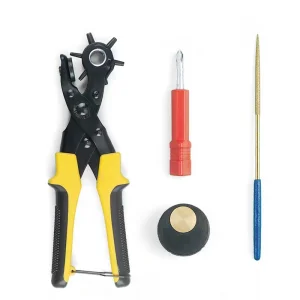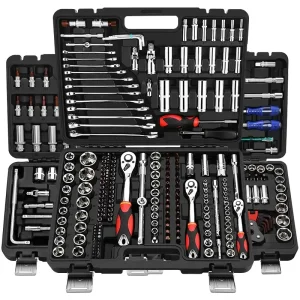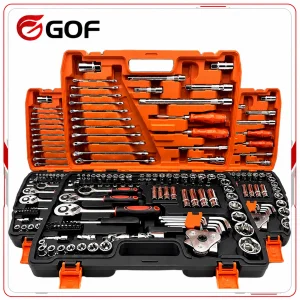
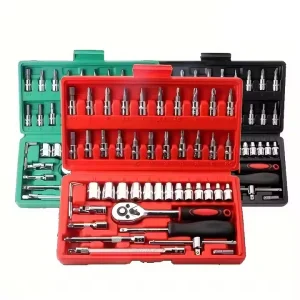
In modern industrial operations, the selection of a hand tools manufacturer is not merely a procurement choice—it is a critical long-term supply chain decision. High-precision industries, including automotive maintenance, aerospace engineering, heavy industrial manufacturing, and global construction logistics, depend on tool integrity to ensure operational safety, minimize downtime, and maintain production speed. For global procurement officers, finding the ideal manufacturer requires a deep dive into metallurgical formulations, custom tooling capabilities (OEM/ODM), and international compliance standards.
As an established leader in global manufacturing, Zhejiang Pargo Tool Co., Ltd. represents the convergence of deep domain expertise and modern manufacturing technology. Established as a unified brand in 2023, the founding engineers and product architects brought with them nearly 15 years of industry experience. This deep heritage in metallurgical physics, manufacturing processes, and structural design allows Pargo to develop products that withstand high torque, abrasive environments, and long-term cyclic stress.
China's dominance in the global hand tool market is driven by highly integrated industrial clusters, particularly in the Zhejiang province. These clusters bring together raw material sourcing, heat-treatment facilities, custom mold shops, plating factories, and specialized logistics hubs into a single high-efficiency network. For global buyers, this ecosystem translates to structural cost efficiencies, short lead times, and unmatched agility in custom product development.
Rather than sourcing raw materials from distant suppliers, Zhejiang Pargo Tool Co., Ltd. leverages direct channels to regional premium steel mills. This proximity ensures consistent alloy chemistry, reduced transit costs, and stable pricing, even during times of high global raw material volatility.
Furthermore, our advanced packaging and custom tooling case facilities allow us to offer comprehensive B2B product customization. Whether it is a specialized blow-molded case, color-coded dual-material sleeves, or specific laser markings, our vertical integration ensures these details are completed in-house, maintaining consistent brand styling and minimizing additional processing costs.
Reliability in the field is built on strict engineering and meticulous process control. Each stage of the manufacturing process at our facility is designed to improve mechanical properties, guarantee dimensional accuracy, and optimize tool ergonomics. Below is a detailed view of our key production and testing steps, which turn raw materials into professional-grade hand tools.
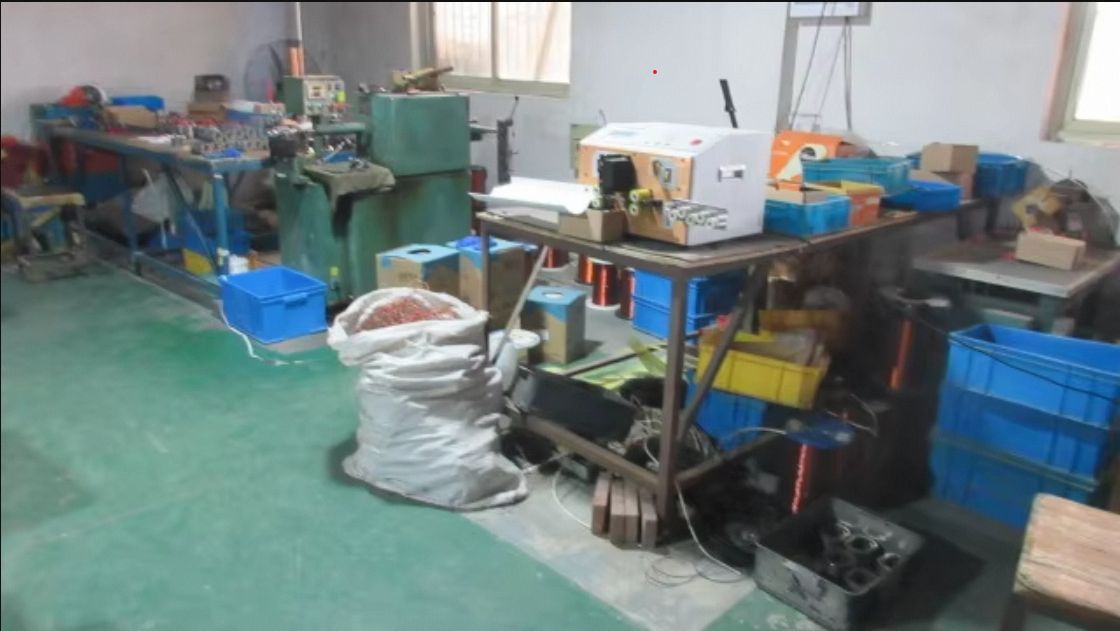
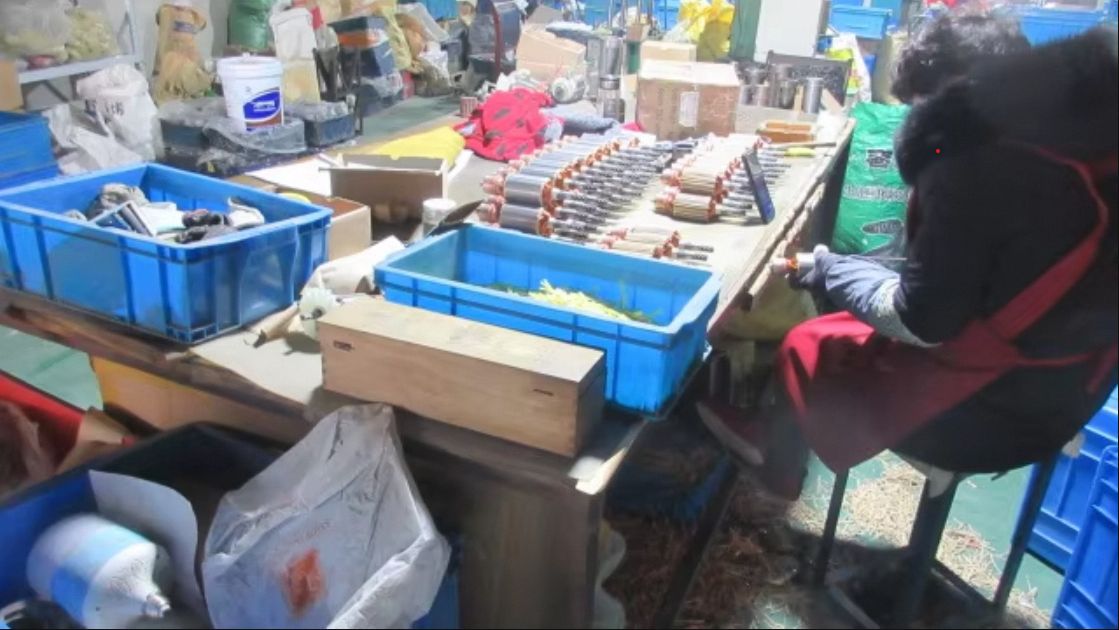
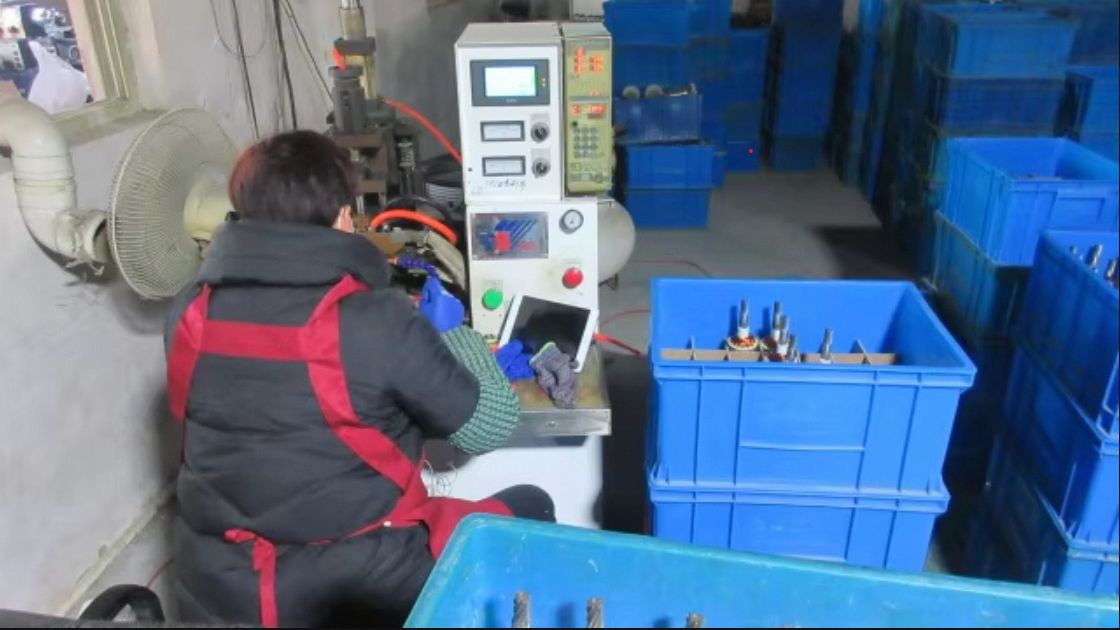
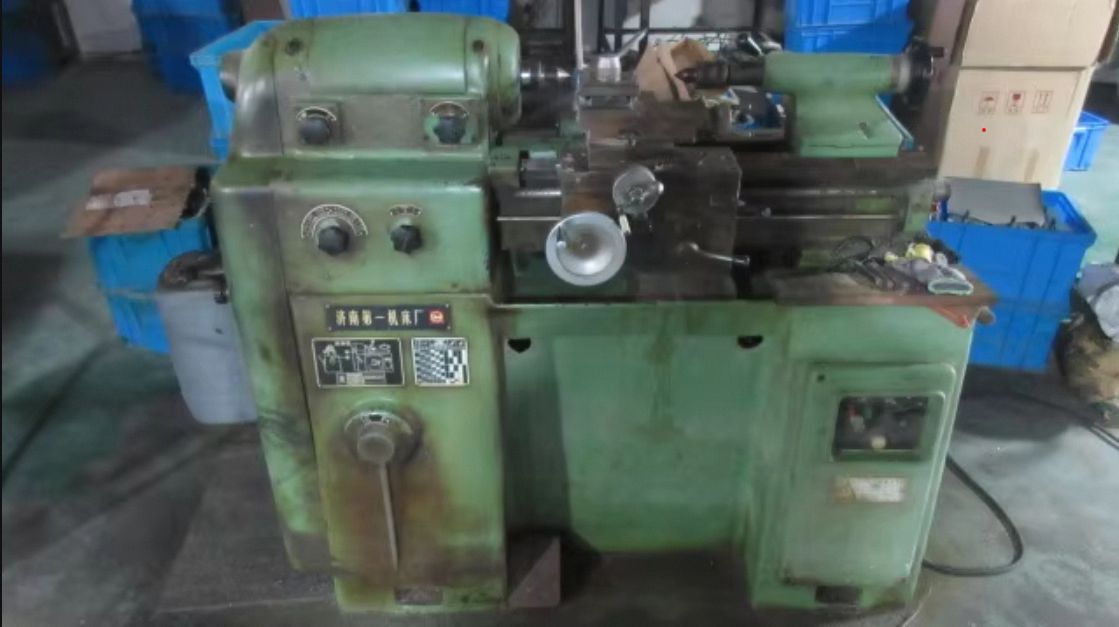
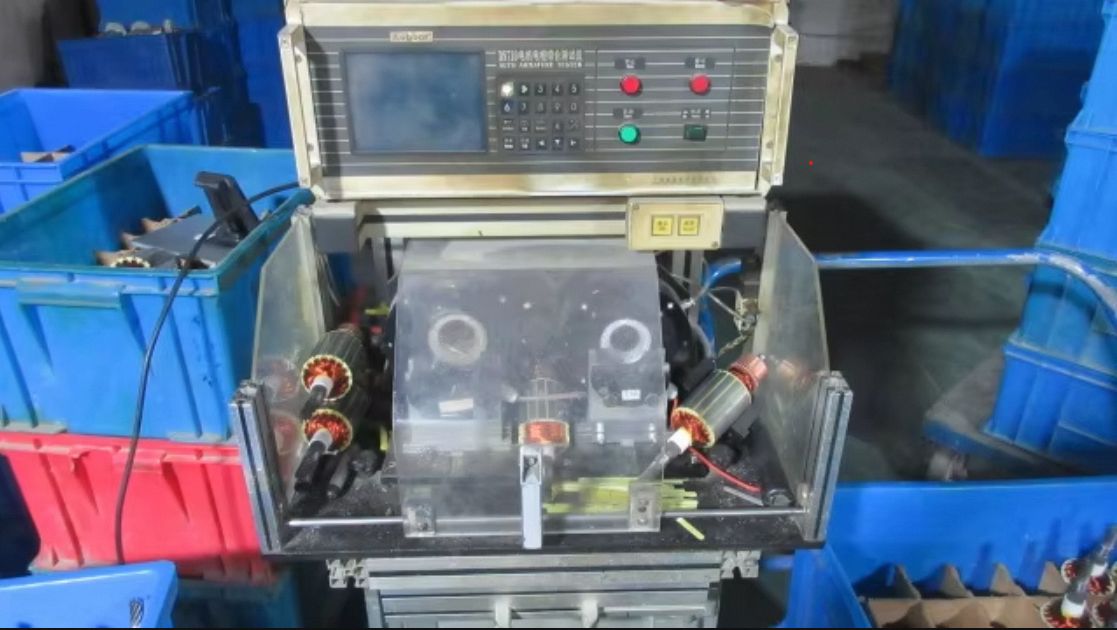
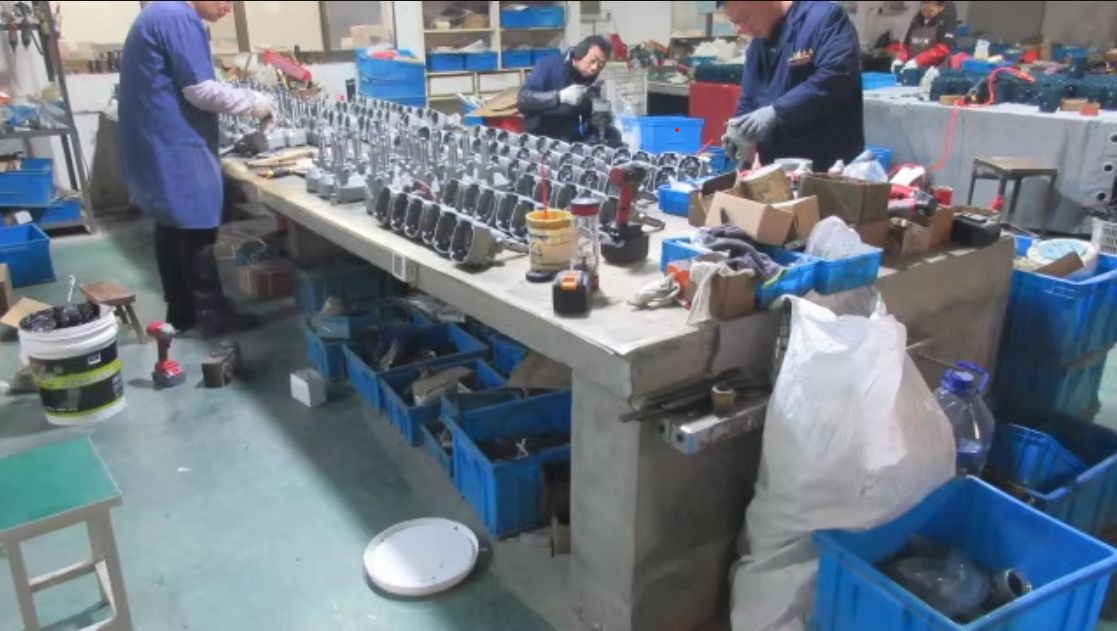
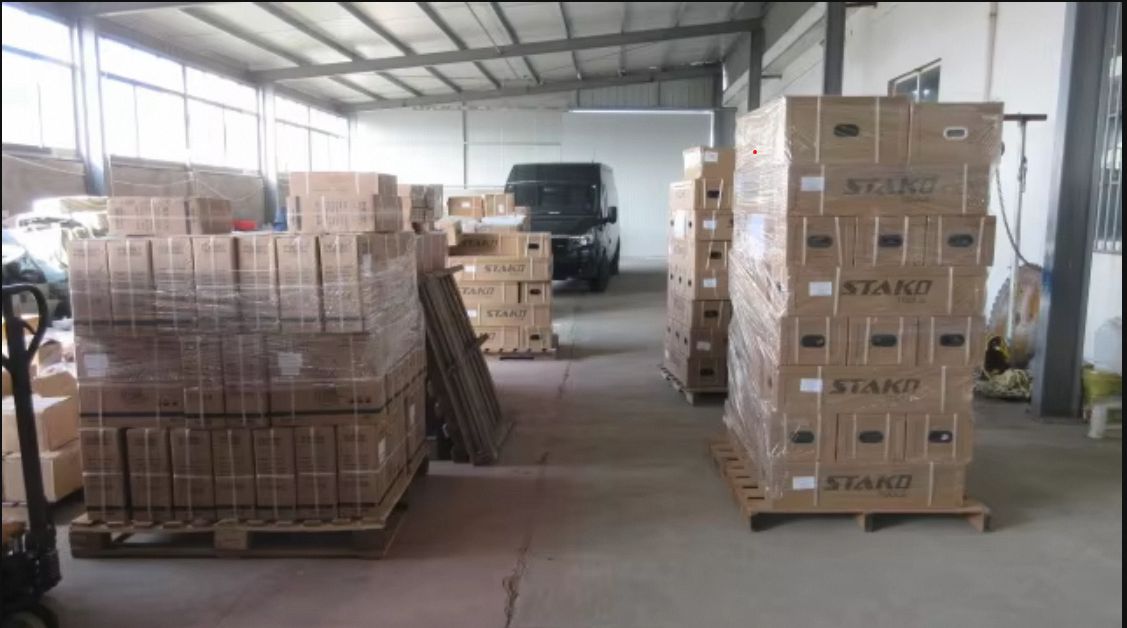
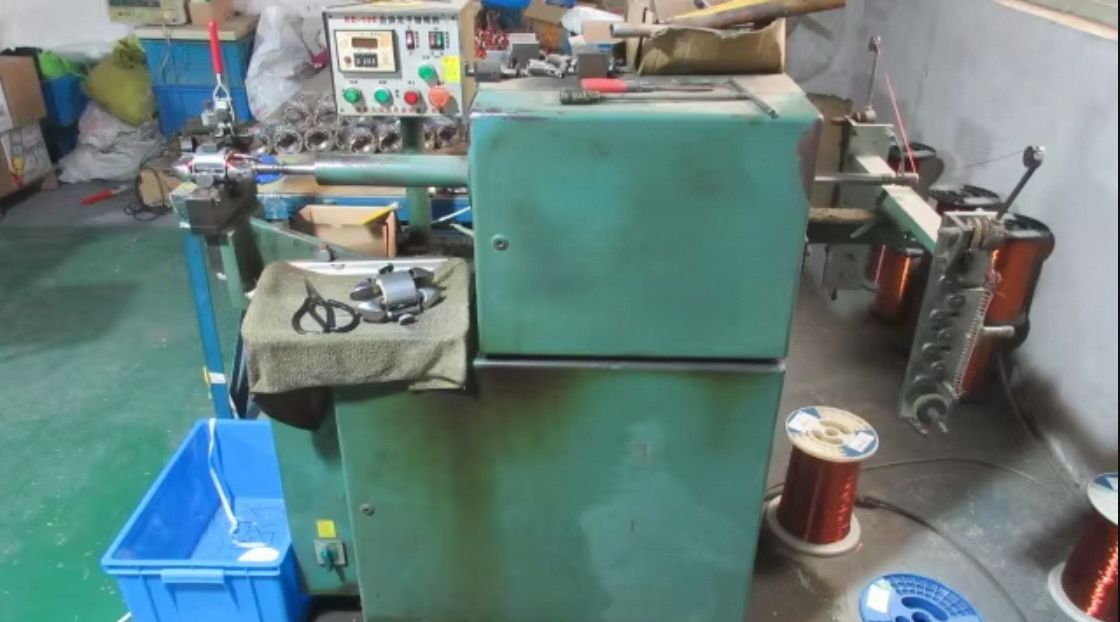
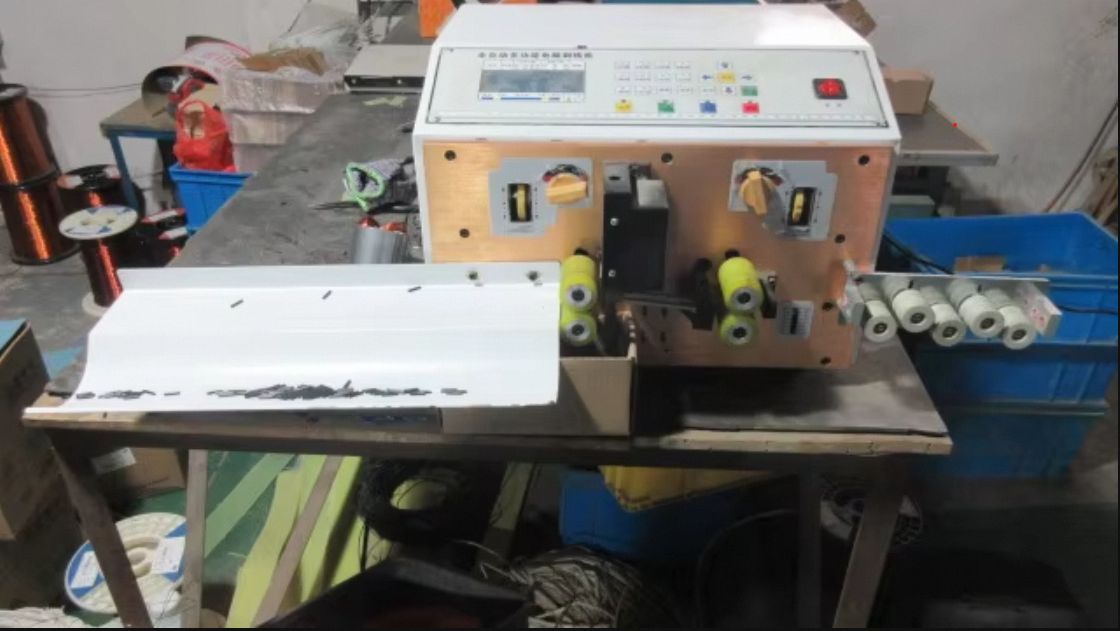
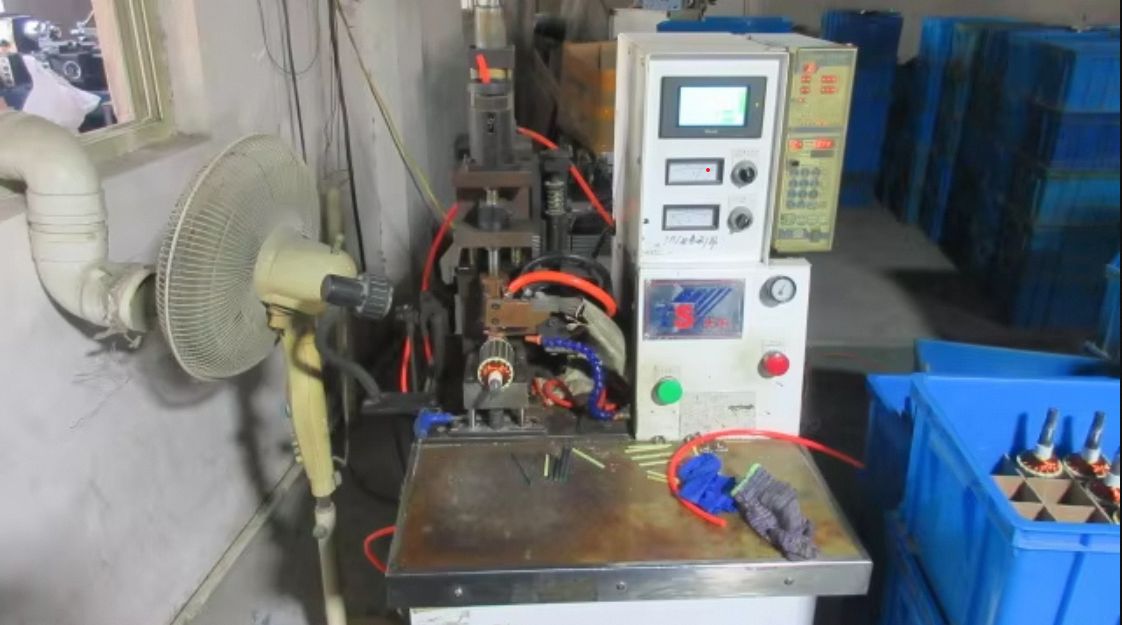
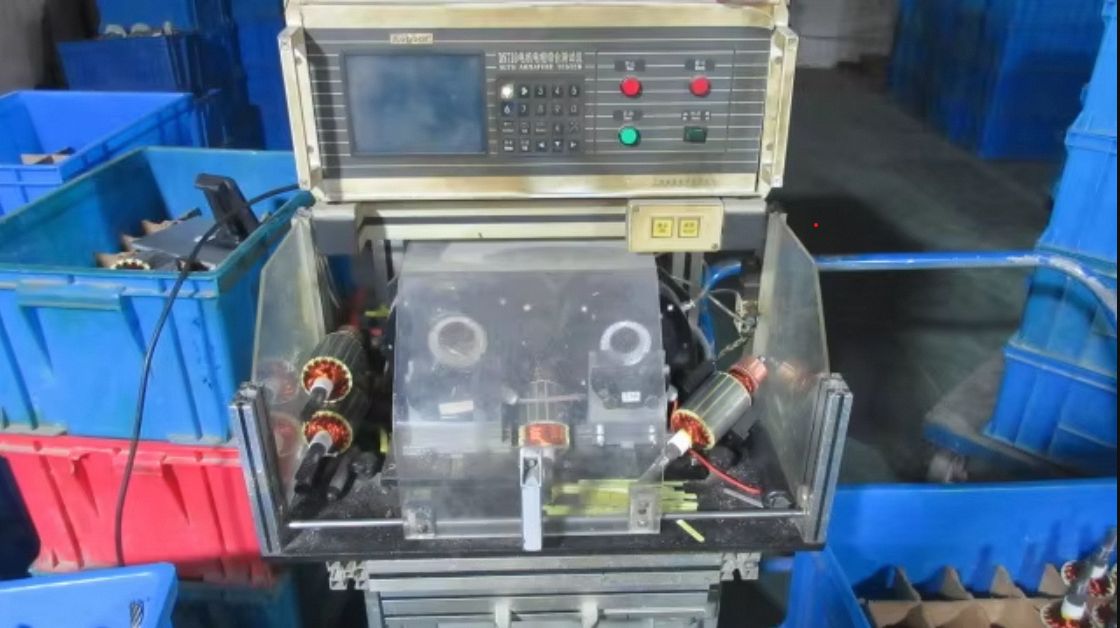
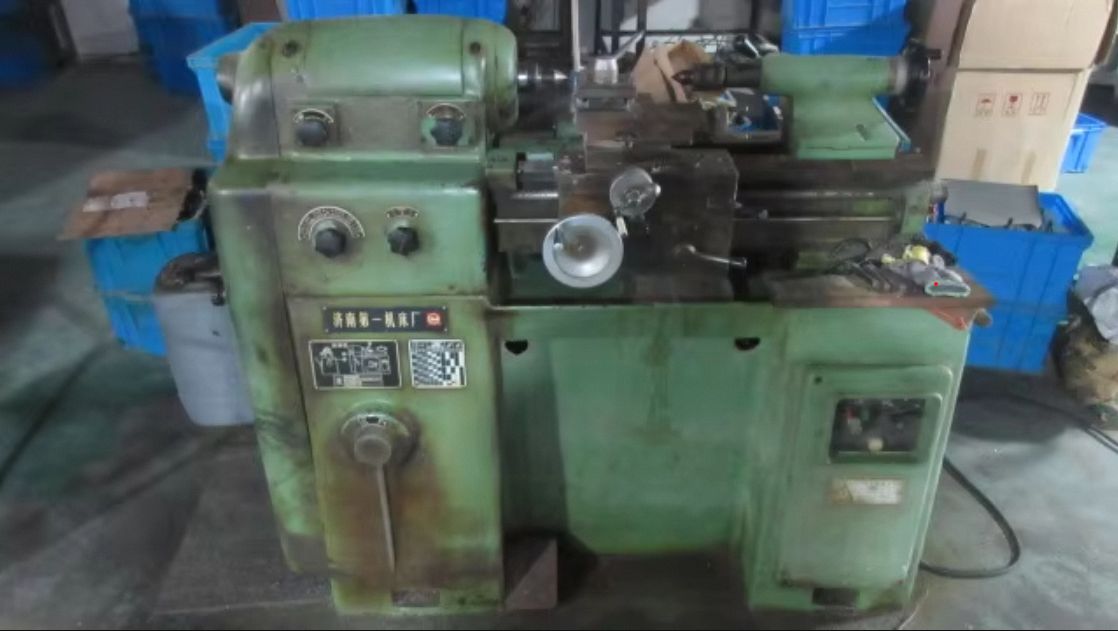
Each step shown above plays a critical role in the final product:
Wire Wrapping & Winding: Ensures precise alignment of structural components for complex, multi-functional tools. This phase lays the foundation for consistent load distribution.
Slotware & Spot Welding: High-precision machining processes cut slots and grooves, followed by specialized welding that joins structural materials without creating heat-affected zone weaknesses.
Finish Turning (FT): Utilizes CNC technology to refine surface details, achieving tolerances of +/- 0.01mm. This step ensures clean fitting in sockets and ratcheting gears.
Calibration & Testing: Every batch undergoes strict mechanical testing to confirm the tool meets and exceeds ISO and ANSI torque requirements before moving to the assembly and packaging lines.
For international buyers, importing bulk hand tools involves navigating complex regulatory requirements, safety standards, and regional environmental rules. Failing to comply can result in customs delays, significant fines, or product liability issues. Pargo works closely with clients to ensure all shipments meet the necessary regional requirements.
For tools entering the US and Canadian markets, we ensure compliance with ANSI (American National Standards Institute) standards. This includes specific torque tests, hardness ranges measured on the Rockwell C scale (typically 42-48 HRC for sockets and wrenches), and drop tests for impact tools.
European markets require adherence to DIN (Deutsches Institut für Normung) standards, alongside CE markings for relevant electric/insulated hand tools. Additionally, compliance with REACH (Registration, Evaluation, Authorisation and Restriction of Chemicals) is required. Our handle grips are made using non-toxic plastics and rubbers, keeping polycyclic aromatic hydrocarbons (PAHs) well below legal thresholds.
Pargo provides support beyond product delivery, offering tailormade commercial solutions:
The hand tool industry is evolving rapidly, driven by advanced manufacturing technologies, ergonomics research, and environmental sustainability. For professional end-users, these changes result in lighter, stronger, and more comfortable tools, while B2B buyers gain from more sustainable supply chains and modernized inventory management.
While Chrome Vanadium (Cr-V) remains the industry standard, manufacturers are increasingly using high-grade Chrome Molybdenum (Cr-Mo) and titanium-reinforced steel for demanding industrial applications. These materials offer improved fatigue resistance and torque transmission, making them ideal for impact wrenches and thin-walled sockets.
Repetitive strain injury (RSI) is a key concern for trade workers. Modern hand tool designs focus on structural balances, slip-resistant grip contours, and vibration-dampening coatings. By analyzing tool weight distribution and using dual-material handles, we create tools that reduce operator hand strain during extended shifts.
Global retailers and B2B buyers are focusing heavily on ESG (Environmental, Social, and Governance) targets. Modern factories are moving toward clean heat-treatment processes, reduced water usage during plating, and recycled steel alloys. By optimizing production lines, Zhejiang Pargo minimizes waste and reduces energy consumption, helping buyers meet their scope 3 emissions targets.
 Pargo Tool