When it comes to maintaining an efficient garden, sharp tools are essential. Garden shears that are dull can cause more harm than good. According to gardening expert John Green, "Sharpening garden shears at home can save you time and money." Knowing how to sharpen garden shears at home is an invaluable skill for any gardener.
To begin with, understanding the right techniques can lead to better cutting results. Using a whetstone or file can make a significant difference. Focus on the angle of the blade while sharpening. This can enhance the precision and ease of your cuts. Paying attention to details like cleaning the shears before sharpening makes a notable impact on their performance.
Self-maintenance of garden shears can indeed be a challenge. Many find it difficult to achieve that perfect edge. It’s crucial to practice and learn from any mistakes along the way. Each attempt brings you closer to mastering this important gardening skill. Remember, a well-sharpened tool is not just a matter of efficiency; it ensures the health of your plants too.
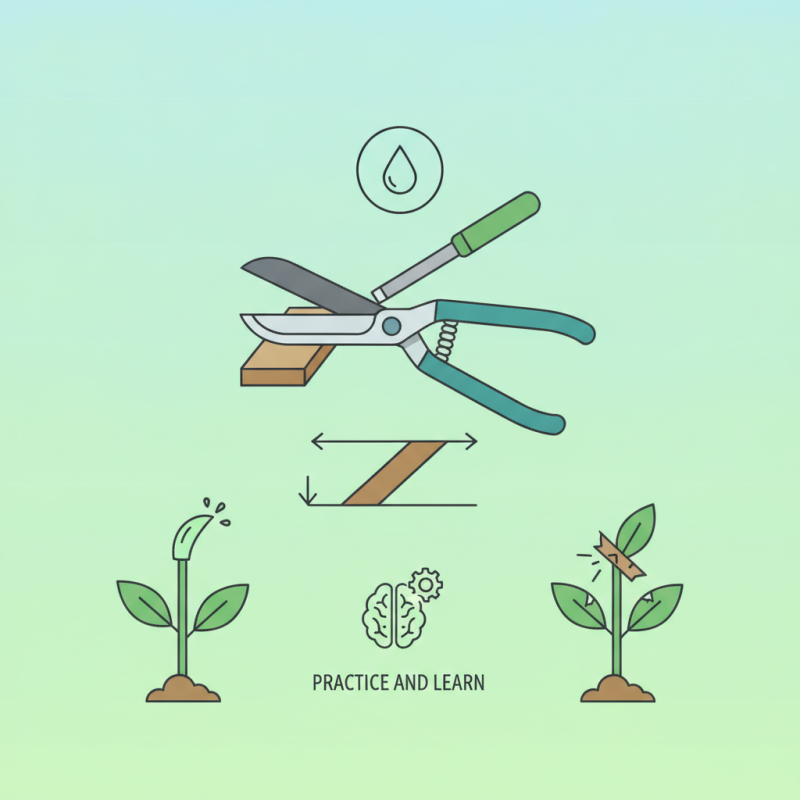
Sharp garden shears are vital for any gardener. When tools are dull, they damage plants, leading to stress and disease. A clean cut promotes healthy growth and minimizes injury. Observing how plants respond to sharp versus dull blades reveals a significant difference. A sharp cut seals quickly, while a ragged edge invites pests and fungi.
Honing your garden shears at home is a straightforward task. Regular maintenance is essential for optimal performance and longevity. Using tools like honing stones or files can restore sharpness effectively. It’s important to remember that even experienced gardeners sometimes overlook this crucial task. Dull tools may lead one to frustration. Reflecting on past gardening experiences can reveal how a simple sharpener made a big impact.
Investing time in sharpening garden shears pays off. Not only does it improve efficiency, but it also enhances the gardening experience. Observing the vibrancy of your plants after a clean trim can fill you with satisfaction. Yet, it’s easy to forget the importance of these small tasks. A moment of reflection on tool maintenance leads to better gardening practices.
When sharpening garden shears at home, having the right tools and materials is essential. A sharpening stone is a must-have. Look for a medium grit stone for initial sharpening. Alternatively, a diamond file can also do the job. These ensure a precise edge. You'll also need a cloth for cleaning the shears post-sharpening. Lubricating oil helps maintain them after sharpening.
Tips: Before starting, inspect your shears. Notice the blade's condition. If heavily damaged, consider professional sharpening. During sharpening, maintain a consistent angle. Typically, a 20-degree angle works well. This helps in achieving a clean cut. Remember, not all blades are the same, so adjust your technique accordingly.
A workbench or solid surface is crucial for safety. Stabilize the shears while you sharpen. If you feel unsure, practice on an old pair first. Experiments lead to improvements. Sharpening requires patience. Take breaks to prevent fatigue and ensure quality work. Ultimately, the effort pays off in the garden.
Sharpening garden shears at home can seem daunting. However, using a whetstone simplifies this task. Begin by selecting a medium-grit whetstone, ideally around 1000 grit. Wet the stone with water to keep it lubricated during sharpening. This helps prevent damage to the shears.
Position the shears at a 20-degree angle against the stone. With a firm grip, slide the blade along the stone in a smooth motion. Focus on the outer edge of the blade. Repeat this several times on each side. Make sure to apply consistent pressure. It's easy to overlook uneven sharpening at this stage, so check often. Sometimes, small inconsistencies can lead to a dull edge.
After sharpening, wipe the blade clean. This removes any debris or metal filings. Test the shears on a piece of paper. An effective blade should cut cleanly and smoothly. If it doesn't, consider re-evaluating your technique. Sharpening can take practice, and it's okay if it doesn't come out perfect the first time. Adjust your approach based on your experience, and you'll improve over time.
| Method | Tools Needed | Step-by-Step Instructions | Estimated Time |
|---|---|---|---|
| Using a Whetstone | Whetstone, water | 1. Soak whetstone in water for 10 minutes. 2. Hold shears at a 30-degree angle. 3. Start with the coarse side of the stone. 4. Slide the blade across the stone in a sweeping motion. 5. Repeat for both edges. 6. Clean and oil shears. |
15-30 minutes |
| Using a Diamond Sharpening Stone | Diamond stone, water | 1. Wet the diamond stone. 2. Place shears at 30-degree angle. 3. Sharpen using light pressure in one direction. 4. Check sharpness and repeat as needed. |
10-20 minutes |
| Using a File | Metal file, oil | 1. Oil the file for smoother operation. 2. Hold shears securely. 3. File the edge in one direction. 4. Clean and apply oil to shears. |
15-25 minutes |
| Using a Power Grinder | Power grinder, protective gear | 1. Use protective goggles and gloves. 2. Run the shears along the grinder at a 30-degree angle. 3. Keep the blade cool to avoid overheating. 4. Clean and lubricate after sharpening. |
5-10 minutes |
When it comes to maintaining garden shears, using files and manual sharpeners is effective. Commercial tools can be costly. A simple file or a manual sharpener can do the job well. According to industry reports, manual sharpening can increase the life of your shears by 50%. Regular maintenance prevents rust and keeps blades fine-tuned.
Using a flat file is straightforward. Hold the shears firmly. File in one direction, matching the original bevel angle. Make sure to apply even pressure. Keep checking your progress. It’s essential to maintain the blade's shape. A worn-out file can miss the mark, leading to uneven edges.
Manual sharpeners are also practical. They are portable and easy to handle. Even inexperienced users can achieve decent results. Nevertheless, not all sharpeners are suitable for every shears type. Assess your tools. Your effort might not yield perfect results, but consistent practice will improve your skills. The process can feel repetitive, yet it pays off in better garden care and less frustration.
Properly maintaining and storing garden shears is key to their longevity. According to the American Society of Landscape Architects, sharp tools are 50% more effective. Dull shears can damage plants and lead to poor growth. Regular maintenance is vital for achieving efficient performance.
Storing garden shears correctly can greatly extend their lifespan. A cool, dry place is ideal for storage. Moisture and heat can lead to rust. Using a protective cover also prevents accidental damage. A recent study indicated that tools stored in protective cases last 20% longer than those exposed to the elements. It's crucial to inspect shears for rust or wear before storage, as neglect can lead to deterioration.
Every gardener may face challenges in their maintenance routine. It’s easy to overlook minor nicks or rough edges. Waiting too long between sharpenings can create more work in the long run. This can be discouraging. However, addressing these small issues proactively can save time and effort later. Assessing your tools regularly fosters better gardening practices and enhances performance.
: Use a flat file or manual sharpener. Keep the shears steady and file in one direction.
It can increase the life of your shears by 50%. Regular maintenance is essential.
Not all sharpeners suit every type. Evaluate your tools before choosing one.
Moisture and heat can cause rust. Storing them improperly shortens their lifespan.
A cool, dry place is best. Use protective covers to prevent damage.
Regular inspections are crucial. Ignoring minor issues can lead to bigger problems.
They are 50% more effective. Dull tools can harm plants and affect growth.
Consistent practice improves skills. It might take time to achieve the desired outcome.
Yes, regular maintenance prevents rust and ensures effective performance.
Overlooking small nicks can be easy. Waiting too long to sharpen creates extra work.
Sharpening garden shears is crucial for effective gardening as it ensures clean cuts, promotes plant health, and enhances the efficiency of your tools. Understanding how to sharpen garden shears at home can save you time and money, making your gardening tasks more enjoyable. To get started, gather the necessary tools such as a whetstone, files, or manual sharpeners, and follow a step-by-step guide to properly sharpen your shears using a whetstone.
Additionally, exploring alternative methods with files and manual sharpeners can offer convenient options for maintaining the sharpness of your shears. Once sharpened, it is essential to focus on proper maintenance and storage of your garden shears to ensure their longevity and optimal performance in the garden. By mastering these techniques, you will keep your shears in excellent condition and ready for use whenever you need them.

Pargo Tool