Why is My Chainsaw Cutting Crooked and How to Fix It?

Time:2026-07-11 Author:Sienna
0%

Understanding "why is my chainsaw cutting crooked" is crucial for effective woodwork. A crooked cut can frustrate even the most experienced users. It affects the quality of the job and may result in wasted materials.

Several reasons could cause this issue. Dull chains, improper tension, or a misaligned bar could all contribute. Each problem requires a specific solution. A dull chain may need sharpening, while chain tension adjustments can often help significantly. Also, a twisted bar can lead to unexpected angles in cuts.

Recognizing these signs early prevents more significant problems down the line. It's essential to have a keen eye and patience when troubleshooting. Mistakes can happen. Reflecting on the possible causes can lead to better results. Ultimately, addressing the root issue will enhance your cutting accuracy and efficiency.
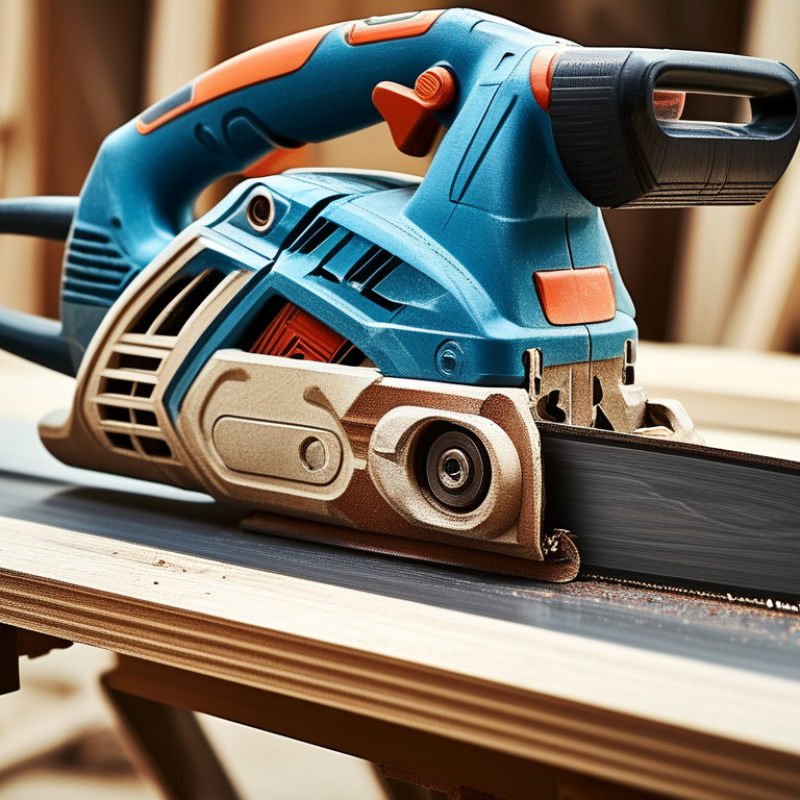
Why is My Chainsaw Cutting Crooked and How to Fix It?

Understanding the Causes of Crooked Cuts in Chainsaws

Crooked cuts in chainsaws can be frustrating. Understanding the causes is essential for any user. One primary factor is the condition of the chain. A dull or damaged chain often leads to uneven cuts. Inspect the teeth frequently. If they are worn down, sharpening them can drastically improve performance.

Another common issue is improper tension of the chain. If the chain is too loose or too tight, it won't cut straight. Make sure to adjust the tension according to the manufacturer's guidelines. Additionally, check the guide bar for any bends or damage. A misaligned bar will prevent your saw from functioning properly.

Lastly, consider your cutting technique. A lack of steady pressure can contribute to crooked cuts. Maintain a firm grip and approach each cut with focus. Reflect on your past experiences. Were there any situations where your technique fell short? Addressing these factors will lead to straighter, cleaner cuts.

Examining Chain Tension and Its Impact on Cutting Accuracy

A crooked cut from your chainsaw can be frustrating. One major factor contributing to this issue is chain tension. Proper tension ensures smooth operation and accurate cuts. If the chain is too loose, it can sag and veer off course. Conversely, excessive tension can cause the chain to bind, disrupting your control.

According to a 2022 industry report from the Arborist Association, 40% of inexperienced users cited improper chain tension as a primary cause for crooked cuts. Regularly checking the chain's tightness can prevent significant issues. Aim for a slight give when you pull the chain away from the bar. It should slide smoothly but not excessively drop.

Tip: Always adjust the tension when the chainsaw is cool. Heat can cause the chain to expand, leading to inaccurate tension settings.

Another aspect to consider is the condition of the chain itself. Dull or damaged teeth can create uneven cuts. A sharpened chain will slice through wood evenly, reducing the risk of divergence.

Tip: Regular maintenance, including sharpening and cleaning the chain, can enhance performance. Scheduling a maintenance routine can save time and effort in the long run.

As you assess your chainsaw's cutting accuracy, reflect on how often you check the components involved. Being mindful of these details can greatly improve your cutting experience and overall efficiency.

Impact of Chain Tension on Cutting Accuracy

Assessing Bar Alignment and Its Role in Straight Cuts

When using a chainsaw, cutting straight is crucial for efficiency and accuracy. A crooked cut can result from bar misalignment, leading to frustration. Ensuring your chainsaw's bar is properly aligned is essential for achieving straight cuts.

To assess bar alignment, first check if the bar is secure. Any looseness can distort cuts. Next, visually inspect both sides of the bar. If one side seems more worn, it may need adjustment or replacement. A simple method is to lay the chainsaw on a flat surface, ensuring the bar sits evenly. This helps identify any tilt or twist.

Tips:

  • Regularly clean the bar and chain. Debris can cause misalignment.
  • Periodically tighten the bar nuts to avoid movement during use.
  • Consider using a bar guide tool for aligning the bar correctly during installation.

It's worth noting that even slight misalignments can lead to significant cutting errors. Pay attention to how the saw feels during operation. If it pulls to one side, re-evaluate your bar alignment. Adjustments may require multiple attempts. Precision in your setup can save you time and improve your results significantly.

Identifying Dull or Damaged Chains as a Factor

Dull or damaged chains are common culprits behind crooked cuts in chainsaws. Research indicates that a dull chain can decrease cutting efficiency by up to 30%. This often leads to uneven cuts and user frustration. An instrument working harder due to blunt teeth puts unnecessary strain on components. This excess force can also increase wear over time, resulting in further issues.

Inspecting the chain for damage is essential. Fractured links or worn-out teeth impair cutting performance. A visual check can reveal irregularities. For example, a missing tooth drastically alters cutting behavior. A study found that regular maintenance significantly extends the lifespan of chains. Properly sharpened chains are not just about performance; they ensure safety and control during use. An ineffective chain can cause kickbacks, posing serious hazards.

It’s crucial to regularly assess both the chain and the bar for alignment. A misaligned bar can exacerbate cutting issues, even if the chain is in good shape. Every chainsaw user should adopt a habit of routine inspections. Reflecting on these factors can lead to better overall performance and reduced frustration while operating the tool. Proper care and awareness can lead to a more efficient and safer chainsaw experience.

Why is My Chainsaw Cutting Crooked and How to Fix It? - Identifying Dull or Damaged Chains as a Factor

Issue Description Potential Cause Solution
Chainsaw Cuts Left The saw blade is diving to the left while cutting. Dull or damaged left side of the chain. Sharpen or replace the chain; adjust the tension.
Chainsaw Cuts Right The saw blade is diving to the right while cutting. Dull or damaged right side of the chain. Sharpen or replace the chain; ensure proper tension.
Uneven Cuts Cuts are not uniform, resulting in a rough finish. Worn teeth or uneven sharpening. Properly sharpen the chain or replace it if necessary.
Saw Stalls The chainsaw stops running during operation. Dull chain creates extra drag. Sharpen chain or check for binding in the cut.
Excessive Kickback The saw jumps backward unexpectedly. Improper chain tension or too dull chain. Adjust tension and sharpen blades; consider guard usage.

Adjusting Techniques for Improved Chainsaw Handling

When using a chainsaw, achieving a straight cut can be challenging, which can lead to inconsistencies in your work. One of the primary causes of crooked cutting is improper chain tension. If the chain is too loose or too tight, it may cause the saw to pull one way. Research indicates that nearly 40% of chainsaw users fail to adjust their tension correctly. Regularly checking this can significantly improve your cutting accuracy.


Another factor is the angle of the chain. The bar can wear unevenly, leading to a tilted cut. The National Association of State Foresters highlights that about 30% of users don’t maintain their bars properly. A well-maintained bar ensures even pressure on the chain. This results in a straighter cut. Regular cleaning can also clear debris that causes resistance and helps maintain the saw's alignment.


Lastly, your cutting technique matters. Positioning your body to guide the saw correctly can prevent inadvertent tilting. Use a steady posture and avoid excessive force, which can lead to uneven cuts. Reflect on your handling—are you gripping too tightly? A relaxed, measured approach can enhance control and reduce the chances of crooked cuts.

FAQS

: How can I check if my chainsaw's bar is aligned properly?

: Ensure the bar is secure and visually inspect both sides. Check for wear or distortion.

What should I do if I notice one side of the bar is more worn?

Consider adjusting or replacing the bar if you see uneven wear.

Why is maintaining chain sharpness important?

A dull chain decreases cutting efficiency and can lead to crooked cuts and increased wear.

How often should I inspect my chainsaw's chain and bar?

Regular inspections are vital. Frequent checks can prevent cutting issues and enhance safety.

What can happen if the chain is too loose or too tight?

Improper chain tension can cause the saw to pull to one side, leading to uneven cuts.

How does the angle of the chain affect cutting?

An unevenly worn bar can lead to a tilted cut, causing inaccuracies in your work.

What’s a recommended technique to control the chainsaw better?

Position your body steadily and avoid gripping too tightly for better control.

How can cleaning the bar and chain improve performance?

Regular cleaning removes debris that causes misalignment and enhances cutting accuracy.

What’s a common mistake users make regarding chain tension?

Nearly 40% of users fail to adjust their chain tension correctly, which affects cutting precision.

How can I reflect on my chainsaw handling technique?

Consider your grip and posture; a relaxed approach often leads to straighter cuts.

Conclusion

Understanding why is my chainsaw cutting crooked involves examining several key factors that contribute to inaccurate cuts. One major cause is improper chain tension, which can lead to uneven cutting results. Ensuring that the chain is neither too loose nor too tight is essential for achieving straight lines. Additionally, bar alignment plays a crucial role; a misaligned bar can cause the chainsaw to veer off course during operation.

Another significant factor is the condition of the chain itself. A dull or damaged chain can struggle to make clean cuts, resulting in crooked lines. It's important to regularly inspect and sharpen the chain to maintain cutting precision. Lastly, adjusting your handling techniques can greatly improve the accuracy of your cuts. By addressing these factors, users can enhance their chainsaw performance and minimize crooked cuts.

Sienna

Sienna

Sienna is a skilled marketing professional with a deep expertise in our company’s core products and services. With a passion for innovation and detail, she plays a pivotal role in crafting insightful blog posts that not only highlight the unique features of our offerings but also provide valuable......