Cordless drills are essential tools in many households and industries. However, many users face a common dilemma: "why is my cordless drill battery not holding a charge?" According to industry studies, it is estimated that nearly 40% of tool failures relate to battery issues. Understanding battery performance is crucial for optimal tool usage and longevity.
Battery degradation can arise from various factors. A lack of proper charging practices can accelerate wear. For instance, not fully charging the battery regularly leads to shorter cycles. Furthermore, temperature impacts battery life – extreme heat or cold can hinder efficiency. It’s not uncommon for users to notice declining battery performance over time. Reflecting on habitual charging patterns may reveal overlooked elements contributing to this issue.
Techniques for addressing reduced charge retention include monitoring usage habits and employing correct charging methods. Studies show that proper storage and care can improve battery longevity by up to 25%. Users might need to reconsider their approach to battery maintenance. This reflection is critical for maximizing the lifespan of cordless drill batteries.
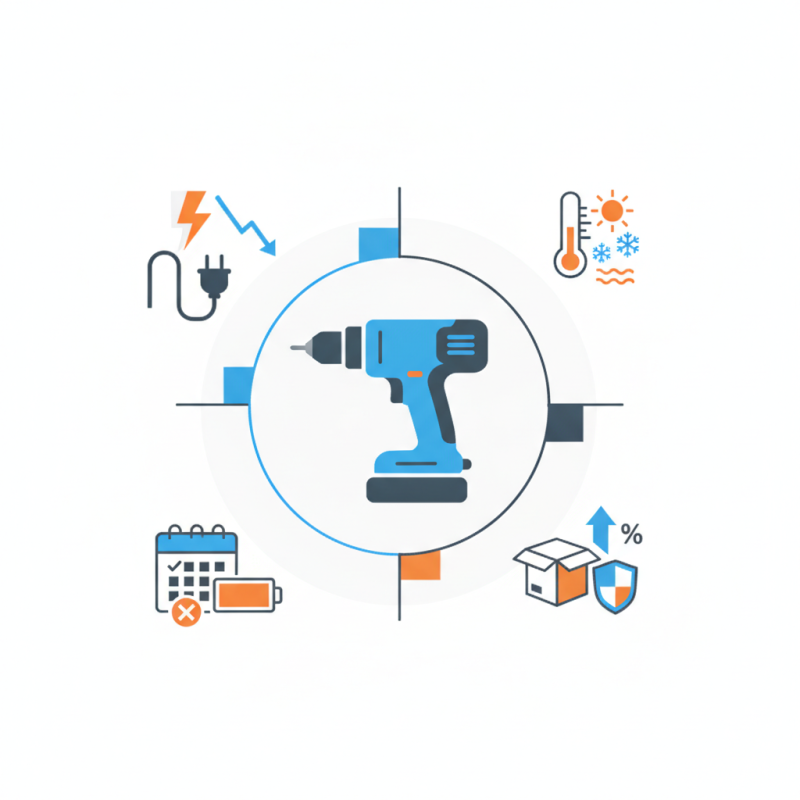
Cordless drills rely heavily on battery chemistry for performance. Understanding this can help troubleshoot why a battery may not hold a charge. Lithium-ion batteries, commonly used in these drills, have specific characteristics that affect their lifespan. Over time, the chemical compounds within them can degrade. This degradation leads to reduced capacity and shorter usage times.
Charging practices significantly influence battery health. Frequent quick charges may seem convenient, but they can harm the battery's chemistry. Heat generated during charging can speed up degradation. Ideally, batteries should be fully discharged occasionally. This practice helps recalibrate the battery's internal components. Neglecting this can result in a battery that seems to lose its charge overnight.
Lastly, physical factors play a role. Dirt and moisture can infiltrate battery connections, causing poor performance. Regular inspection and cleaning can extend battery life. Observing these subtle details helps maintain battery effectiveness. Small changes in habits can lead to a more reliable tool.
Cordless drill batteries often fail to hold a charge, leaving users frustrated. One common reason for this issue is battery age. Lithium-ion batteries typically last around 2–3 years, depending on usage. Data suggests that after 500 charge cycles, battery performance may diminish significantly. For instance, a study found that batteries lose 20% of capacity in the first year alone if not properly maintained.
Another reason is improper charging habits. Regularly overcharging or undercharging a battery can lead to its premature failure. Some users may charge their drills overnight, which can be detrimental. It’s important to monitor charging times closely. Identifying these habits can help improve battery longevity. A recent survey indicated that 40% of users experience battery issues due to improper care.
Environmental factors such as extreme temperatures can also hasten battery discharge. Lithium-ion batteries tend to perform poorly in temperatures below 32°F (0°C) or above 113°F (45°C). Exposure to such conditions can affect the internal chemistry of the battery, reducing its overall lifespan. Awareness of these factors can assist users in extending the life of their cordless drill batteries.
If your cordless drill battery is not holding a charge, you may notice specific warning signs that indicate it is failing. One common indication is a noticeable decrease in run time. If your drill runs for a few minutes and then stops, the battery may be losing its capacity. Another sign is the battery taking much longer to charge than it once did. This can be frustrating, especially during a project.
Pay attention to any swelling or discoloration on the battery. These physical changes often signal that the battery is defective. If you hear unusual noises while charging, it might indicate internal damage. Using a faulty battery can lead to further issues, and it's best to address these signs promptly to avoid additional complications.
Tips: Regularly check your battery's condition. Store it in a cool, dry place when not in use. Avoid extreme temperatures, as they can accelerate deterioration. If you notice any of the failing signs, consider replacing the battery to ensure your tools remain operational. Taking proactive steps can save time and hassle.
Proper storage and maintenance of your cordless drill battery is crucial for maximizing its lifespan. According to industry reports, nearly 30% of battery failures stem from improper storage practices. Store your batteries in a cool, dry place. Extreme temperatures can lead to degradation. A temperature range of 60°F to 80°F is ideal for battery health.
Another significant factor is battery maintenance. Regularly check for corrosion around the terminals. Investing a few minutes to clean terminals can enhance performance. Ensure batteries are charged regularly, even when not in use. Leaving a battery discharged for extended periods can lead to irreversible damage.
Additionally, it's essential to avoid storing batteries in devices for long periods. Over time, internal components can wear out. Experts recommend removing batteries when storing drills and equipment. This can prevent potential leaks and preserve efficiency. Taking these steps will ensure your drill battery remains reliable and effective for years.
Battery maintenance is crucial for any cordless drill. Many users face the problem of their battery not holding a charge, which can be frustrating. Studies indicate that around 30% of rechargeable batteries fail earlier than expected due to improper care. Here are some practical tips to troubleshoot and extend battery life.
First, check the charging cycle. Lithium-ion batteries, typical in cordless drills, should not be allowed to fully discharge regularly. Experts recommend keeping the charge between 20% to 80% to maximize lifespan. In fact, a report by Battery University shows that frequent full discharges can reduce a lithium-ion battery's performance by up to 50%. Ensure your charger is functioning correctly, and inspect for any signs of physical damage to the battery or connectors.
Next, temperature can affect battery performance significantly. Batteries stored or used in extreme heat may suffer damage. A temperature range between 32°F (0°C) and 104°F (40°C) is ideal. Be mindful of any swelling or leakage, which are signs of deep damage. Remember to allow the battery to cool before charging. Regular cleaning of battery contacts can help maintain good connections. It might feel tedious, but these steps can contribute significantly to longevity.
| Troubleshooting Tips | Possible Causes | Solutions | Battery Lifespan |
|---|---|---|---|
| Check for Corrosion | Corroded terminals | Clean terminals with a brush | 2-3 years |
| Inspect Charger | Faulty charger | Test with a multimeter | 3-5 years |
| Test Battery with a Load | Weak battery | Replace battery if weak | 1-2 years |
| Check Battery Storage Conditions | High temperatures | Store in a cool, dry place | 2-4 years |
| Inspect Usage Patterns | Frequent deep discharges | Avoid full discharges; charge regularly | 1-3 years |
: The chemical compounds in lithium-ion batteries degrade over time, reducing capacity and usage.
Quick charges seem convenient but generate heat, speeding up degradation. Full discharges occasionally help recalibrate the battery.
Dirt and moisture can clog battery connections, leading to poor performance. Regular inspection and cleaning are vital.
Batteries should be stored in a cool, dry place. The ideal temperature is between 60°F and 80°F.
Regularly check for terminal corrosion and clean the connections. It boosts performance and prolongs battery life.
No, storing batteries in devices can cause internal wear. Remove them to avoid leaks and enhance efficiency.
Charge batteries regularly, even if not in use. Leaving them discharged too long can cause irreversible damage.
It may indicate degradation. Check charging habits and inspect for physical issues. Adjusting care can improve performance.
Yes, minor adjustments in care can lead to a more reliable tool and better battery performance.
Neglecting battery care can result in poor performance and quicker degradation, ultimately leading to replacement needs.
When faced with the question, "why is my cordless drill battery not holding a charge," it's essential to first understand the chemistry behind cordless drill batteries. Various factors can contribute to battery discharge, such as age, improper usage, and environmental conditions. Recognizing the signs of battery failure, such as reduced runtime and longer charging times, is crucial for identifying issues early.
To combat these problems, proper storage and maintenance practices are vital. Keeping batteries in a cool, dry place and following recommended charging cycles can extend battery life. Additionally, troubleshooting techniques like recalibrating the battery and checking connections can help improve performance. By being mindful of these aspects, users can ensure their cordless drill batteries remain reliable and functional for longer periods.

Pargo Tool