What is the Difference Between Brushless and Brushed Motors?

Time:2026-07-01 Author:Madeline
0%

Understanding electric motors is crucial in various industries today. A common question arises: what is the difference between a brushless and brushed motor? According to a market research report by Research and Markets, the global brushless motor market is expected to reach $48.35 billion by 2027. This highlights the growing importance of brushless technology.

Brushed motors have been around for decades. They are generally simpler and cheaper. However, they suffer from wear and tear due to brushes and commutators. In contrast, brushless motors offer greater efficiency and longevity. Reports show that brushless motors can be up to 85% more efficient than their brushed counterparts. This significant difference can impact the lifespan and maintenance costs of the motors.

Deciding on the right motor type depends on specific applications. While brushed motors might be suitable for low-cost applications, brushless motors excel in high-performance settings. A deeper understanding of these technologies is evident in their application across various sectors, from robotics to automotive. Choosing the right motor requires careful consideration of multiple factors.
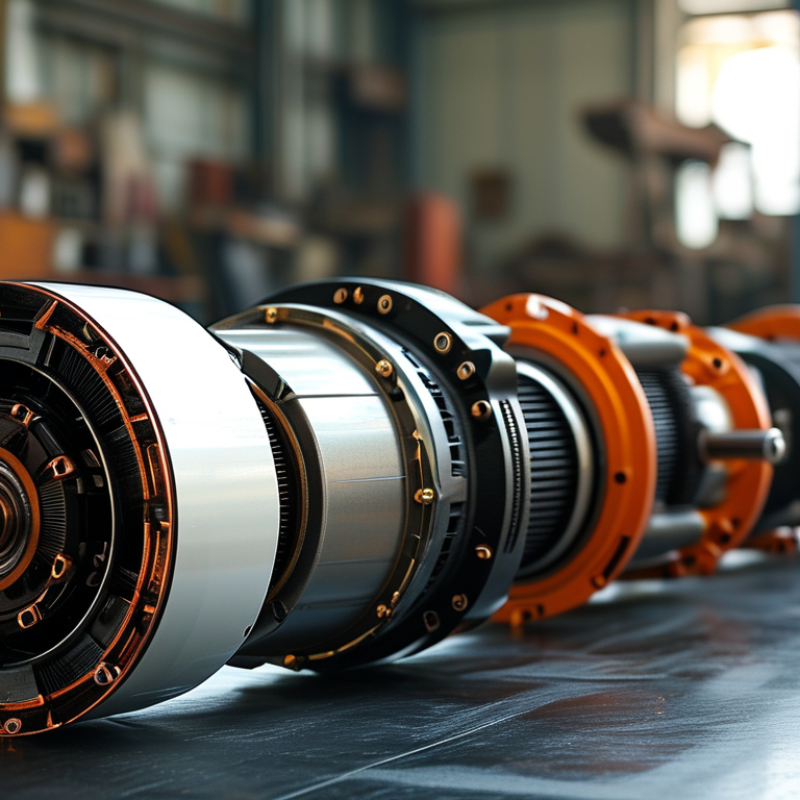
What is the Difference Between Brushless and Brushed Motors?

Understanding the Basic Concepts of Brushless and Brushed Motors

Brushless and brushed motors serve different purposes in various applications. A brushed motor uses brushes to transfer electricity to the rotating parts. This simple design makes it easier to control, but brushes wear out over time. As a result, maintenance is required to keep them functioning optimally.

In contrast, brushless motors eliminate brushes, relying instead on electronic controllers. This results in enhanced efficiency, improved lifespan, and fewer maintenance needs. They offer greater torque and speed control compared to their brushed counterparts. However, they are often more complex and can be pricier due to their advanced technology.

Tip: When choosing between these two motor types, consider the application’s requirements. Brushless motors are ideal for precision and high-performance tasks. Brushed motors may suffice for simpler applications where cost is a factor. Each type has its pros and cons, so weigh your options carefully.

Tip: Reliability can vary based on usage and environment. Brushed motors can fail unexpectedly if used excessively without maintenance. Brushless motors, while durable, may malfunction if the controller fails. Understanding these failure modes aids in better decision-making and risk management.

Key Components and Design Differences Between the Two Motor Types

When comparing brushless and brushed motors, the design and components set them apart significantly. Brushed motors utilize a commutator and brushes. These components create mechanical friction, leading to wear over time. This wear can decrease efficiency. Research from the IEEE shows that brushed motors have a lifespan of about 1,000 to 3,000 hours, depending on the application.

In contrast, brushless motors eliminate these traditional components. They use electronic controllers for commutation, which results in less friction. This design enhances efficiency dramatically. A report by the National Renewable Energy Laboratory indicates that brushless motors can achieve efficiency ratings over 90%, making them more reliable in various applications.

Despite their advantages, brushless motors are often complicated to implement. The initial cost of these systems can be higher. Users may struggle with the compatibility of electronic controllers. Understanding the design differences is crucial for selecting the right motor for specific tasks. The right choice can impact performance and maintenance in the long run.

Comparative Analysis of Performance Characteristics in Both Motors

Brushless motors and brushed motors exhibit distinct performance characteristics. Brushless motors utilize electronic controllers, which enhance efficiency. They offer smoother operation and longer lifespan. In contrast, brushed motors rely on physical brushes and commutators, leading to more wear and tear. This results in reduced longevity and potential maintenance needs.

In terms of torque, brushless motors can deliver higher torque at lower speeds. This makes them ideal for applications requiring precise control. Brushed motors, however, are simpler in design and often cheaper. They can be more suitable for low-demand tasks. Despite the simplicity, they may struggle in high-performance scenarios.

Noise and heat generation also differs between the two. Brushless motors tend to operate more quietly, while brushed motors can be quite noisy. Heat buildup is another factor. Brushed motors may experience overheating during prolonged use, while brushless designs efficiently dissipate heat. Ultimately, the choice depends on application needs and budget considerations, encouraging deeper reflection on specific use cases and their requirements.

Advantages and Disadvantages of Brushless Motors vs. Brushed Motors

Brushless and brushed motors are essential in many applications, yet they offer different advantages and disadvantages. Brushless motors are more efficient and have a longer lifespan. They require less maintenance since they lack brushes that wear out. This efficiency makes them ideal for use in electric vehicles and drones. However, they typically come at a higher cost and require more complex electronics for control.

Brushed motors, on the other hand, are simpler and generally less expensive. They are easier to control and can deliver high torque at low speeds, which makes them suitable for applications like toys and household appliances. However, they tend to wear out faster due to brush friction. This can lead to decreased performance over time and potential overheating issues.

Tips: For long-term applications, consider using brushless motors for reliability. If cost is a significant factor, brushed motors may suffice for short-term use. Always evaluate the specific needs of your project to choose wisely.

Common Applications and Usage Scenarios for Each Motor Type

Brushless and brushed motors serve different needs in various applications. Brushed motors are often found in low-cost devices. They are simple and easy to control. Many toys and household appliances utilize brushed motors due to their affordability. However, they require regular maintenance because of wear and tear. The brushes can wear out quickly, which may lead to performance issues.

In contrast, brushless motors are frequently used in high-performance applications. These motors excel in efficiency and longevity. You commonly find them in electric vehicles and drones. Brushless designs eliminate the need for brushes, resulting in smoother operation. This efficiency translates into longer run times. However, the initial cost of brushless motors can be a barrier for some applications.

Each motor type has its pros and cons. Evaluating the specifics of the project is crucial. Not every situation needs a high-end brushless motor. Sometimes, a simple brushed motor can suffice. Understanding these differences helps in making informed decisions. The right choice depends on balancing cost, performance, and maintenance requirements.

FAQS

: What is a brushed motor?

: A brushed motor uses brushes to transfer electricity to rotating parts. This design makes control easier but needs maintenance.

What are the main advantages of brushless motors?

Brushless motors are more efficient, have a longer lifespan, and require less maintenance than brushed motors.

Why do brushed motors need maintenance?

Brushes wear out over time due to mechanical friction, causing a need for regular maintenance to maintain performance.

Where are brushless motors typically used?

Brushless motors are ideal for precision tasks, such as electric vehicles and drones, due to their efficiency and control.

What is a disadvantage of brushless motors?

Brushless motors can be complex and often have a higher initial cost compared to brushed motors.

How do the efficiency ratings compare between the two motor types?

Brushless motors can achieve over 90% efficiency, while brushed motors are generally less efficient due to friction.

Can a brushed motor fail unexpectedly?

Yes, brushed motors can fail if used excessively without maintenance, leading to unexpected performance issues.

What is a downside of using brushed motors?

Brushed motors wear out faster, impacting performance and potentially causing overheating in long-term applications.

What should you consider when choosing a motor type?

Evaluate the application’s specific needs, such as cost, reliability, and performance requirements before making a decision.

How might users struggle with brushless motors?

Users may face challenges regarding the compatibility of electronic controllers when implementing brushless motor systems.

Conclusion

When exploring what is the difference between a brushless and brushed motor, it is essential to understand their basic concepts and design differences. Brushed motors use mechanical brushes to transfer current to the rotor, while brushless motors utilize electronic controllers for operation, eliminating the need for brushes. This distinction leads to significant variations in performance characteristics such as efficiency, torque, and maintenance requirements.

A comparative analysis reveals that brushless motors generally provide higher efficiency and longer operational life, but they can be more complex and costly to manufacture. Conversely, brushed motors are simpler and more affordable, making them suitable for specific applications. Each motor type has its advantages and disadvantages, influencing their common applications across various industries from consumer electronics to automotive technology. Understanding these elements is crucial for selecting the appropriate motor for particular usage scenarios.

Madeline

Madeline

Madeline is a dedicated marketing professional with a wealth of expertise in our company's core offerings. With a keen understanding of the industry, she brings a unique perspective to her role, consistently delivering high-quality content that highlights the superior aspects of our products. As......