10 Effective Tips to Store Hand Tools and Prevent Rust?

Time:2026-06-15 Author:Amelia
0%

Storing hand tools properly is essential to prevent rust and extend their lifespan. According to expert James McKenzie, “The key lies in the right storage techniques.” Understanding how to store hand tools to prevent rust can save you money and frustration down the line.

Rust can quickly damage your beloved tools. Moisture is the primary culprit in this deterioration. Simple strategies can make a big difference. Keep tools clean and dry after each use. Use rust inhibitors or oil on metal surfaces. These small actions can yield significant results in preservation.

Mind your environment too. A damp garage can be a tool's worst enemy. Consider using a dehumidifier or airtight containers. Always review your storage methods. Reflect on their effectiveness. Burnished tools do not deserve to rust away.
10 Effective Tips to Store Hand Tools and Prevent Rust?

Understanding the Importance of Proper Hand Tool Storage

Proper hand tool storage is crucial in maintaining the longevity and function of your tools. Many people overlook this aspect, leading to premature wear and rust. Understanding your tools' environment is essential. Humidity and moisture are common enemies. They can cause metal to corrode over time. A cool, dry place is ideal for storing tools. However, simply placing them in a box isn’t enough.

Incorporating desiccants can help absorb excess moisture. Regularly check the storage area for signs of rust. If you notice discoloration, it’s a signal to act quickly. Oil your tools periodically to create a protective barrier. Microfiber cloths can effectively remove dirt and moisture. Do not neglect them. Taking a few minutes for maintenance can save you hours of restoration work.

Consider using pegboards or cabinets designed for visibility. This allows you to easily find tools and minimizes clutter. Some people use open shelves, but this exposes tools to dust and moisture. Think about your habits. Are you quick to put tools away? Rethinking your storage methods can improve your workspace. Experiment with different techniques until you find what works best for you.

10 Effective Tips to Store Hand Tools and Prevent Rust

This chart displays the effectiveness of various tips for storing hand tools and preventing rust. Each tip is rated on a scale from 1 to 10 based on its importance, providing a visual representation that can help users prioritize their tool storage strategies.

Choosing the Right Storage Solution for Your Hand Tools

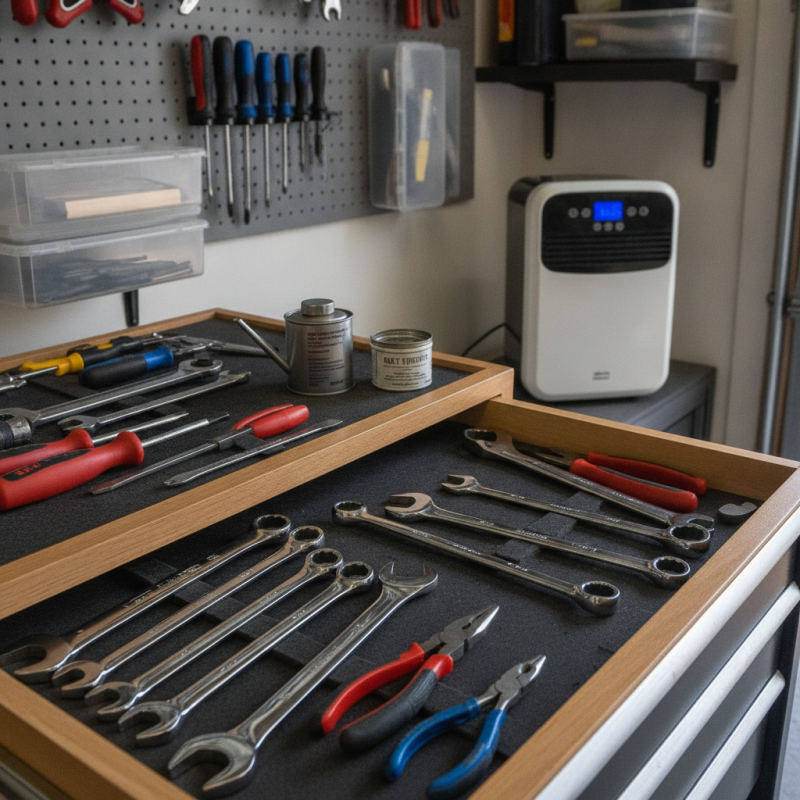
When it comes to storing hand tools effectively, choosing the right storage solution is essential. Proper storage prevents rust and keeps tools accessible. Consider using pegboards for smaller tools. They provide visibility and easy access. Magnetic strips can also work wonders for metal tools, making organization straightforward.

For larger, heavy-duty tools, a sturdy toolbox or a rolling cart is ideal. These options can keep tools protected from moisture. Using foam inserts helps to minimize movement and potential scratches. Ensure that these storage solutions are placed in a dry, climate-controlled space.
Consistent temperature control can significantly reduce rust formation.

Remember to regularly inspect your storage areas. Dust and humidity can compromise even the best storage solutions. Keeping a checklist for maintenance can be beneficial. It’s important to reflect on your storage habits. Are tools left out too often? Revising your storage strategy could lead to better care of your tools.

Techniques to Maintain a Dry Environment and Prevent Rust

To keep hand tools rust-free, maintaining a dry environment is vital. High humidity can lead to corrosion. Using silica gel packets in storage cases can absorb moisture. Regularly check those packets. Replace them when needed to ensure they remain effective.

Another effective way to prevent rust is by using a dehumidifier. This device reduces the moisture in the air. Position it near your tool storage area. Keeping this space dry can make a significant difference. Ventilation also plays a role. Ensure the area is well-ventilated to promote air circulation.

Protective coatings can also help. Applying oils or rust preventatives can create a barrier against moisture. Make this a routine practice after cleaning your tools. Remember, neglecting these steps can lead to rust development over time. Small habits lead to big changes.

10 Effective Tips to Store Hand Tools and Prevent Rust

Tip No. Storage Method Preventive Measure Description
1 Toolbox Silica Gel Packets Store silica gel packets in your toolbox to absorb moisture.
2 Magnetic Strips Regular Cleaning Hang metal tools on magnetic strips and clean them regularly to remove rust.
3 Pegboard Oil Coating Apply a light oil coating on tools to create a moisture barrier.
4 Clear Plastic Containers Desiccants Use desiccants in containers to keep the interior dry.
5 Rolling Cart Ventilation Ensure proper ventilation where you store your tools to avoid moisture build-up.
6 Drawer Organizers Rust Inhibitors Use rust inhibitor sprays on tools before storing them in drawers.
7 Shelving Units Keep Tools Dry Store tools on shelves above the ground to avoid dampness.
8 Wall Storage Avoid Humid Areas Avoid storing tools in basements or other humid areas.
9 Bucket Storage Dry Immediately Dry your tools immediately after use before storing them.
10 Tool Chest Inspect Periodically Check your tools regularly for signs of rust and take immediate action if found.

Regular Maintenance Practices to Keep Tools Rust-Free

Keeping hand tools rust-free requires regular maintenance practices. Start by cleaning your tools after each use. Remove dirt and moisture with a cloth. This simple step reduces rust formation significantly. Use soap and water if needed, but ensure tools are completely dry afterward.

Applying a thin layer of oil can help prevent corrosion. Choose a light machine oil or mineral oil. Even vegetable oils can provide a protective barrier. Remember to oil regularly, especially in humid environments. Store tools in a dry place, away from excessive moisture. Consider using silica gel packets in storage areas to absorb humidity.

It's essential to inspect your tools regularly for signs of rust. If rust appears, address it immediately. Use sandpaper or a wire brush to remove rust spots. After cleaning, remember to reapply the protective oil layer. Reflect on your maintenance routine. Are you doing enough to keep your tools in excellent condition? Keeping a consistent schedule ensures long-lasting performance and reliability.

Utilizing Protective Coatings and Oils for Enhanced Longevity

To enhance the longevity of your hand tools, utilizing protective coatings and oils can be a game changer. These products create a barrier against moisture and oxidation, which are the primary culprits of rust. Consider using mineral oil or specialized tool oils. Apply a thin layer after cleaning your tools to ensure they stay protected. Regular maintenance is crucial, so make this part of your routine.

When storing your tools, ensure they are completely dry before applying any oil. This minimizes the chance of trapping moisture. Additionally, consider using wax-based coatings for surfaces that are prone to wear. They contribute an extra layer of protection and are easy to reapply. Protecting your tools significantly increases their lifespan, which can save you money and frustration down the road.

Protective measures can be imperfect. Some tools may still develop rust despite precautions. It's important to check your tools regularly and readjust your protective strategies. Remember, while no method is foolproof, consistent care can greatly reduce rust-related issues. Strive for perfection, but be prepared for setbacks. Embrace the learning process in maintaining your tools.

FAQS

: Why is it important to maintain a dry environment for tools?

: A dry environment prevents rust, which can damage hand tools over time.

How can I absorb moisture from my tool storage?

Use silica gel packets in your storage cases. Replace them regularly for best results.

What role does ventilation play in preventing rust?

Good ventilation promotes air circulation, which helps keep the storage area dry.

What type of oils can I use to protect my tools?

Light machine oil, mineral oil, or even vegetable oils can create a protective barrier.

How often should I clean my tools?

Clean your tools after each use. Removing dirt and moisture significantly reduces rust formation.

What should I do if I find rust on my tools?

Address rust immediately with sandpaper or a wire brush. Reapply oil after cleaning.

Are there any additional protective coatings I can use?

Yes, consider using wax-based coatings for extra protection on frequently used surfaces.

What if my tools still develop rust despite my efforts?

Regular checks and adjustments to your strategy are necessary. No method is foolproof.

How can I ensure my tools last longer?

Consistent care, including cleaning and oiling, greatly enhances tool longevity and reliability.

Should I reflect on my maintenance routine?

Yes, regularly assess your habits to ensure you do enough to keep your tools in excellent condition.

Conclusion

Proper hand tool storage is crucial for preventing rust and ensuring the longevity of your tools. To effectively store hand tools to prevent rust, one must choose the right storage solution, such as toolboxes, pegboards, or shelves, tailored to their specific needs. Creating a dry environment is essential; this can be achieved through dehumidifiers, moisture-absorbing materials, or by simply keeping tools indoors away from dampness.

In addition, regular maintenance practices, such as cleaning and drying tools after use, play a significant role in rust prevention. Applying protective coatings and oils can further enhance the durability of the tools, shielding them from moisture and corrosion. By understanding and implementing these strategies on how to store hand tools to prevent rust, you can ensure that your tools remain in pristine condition for years to come.

Amelia

Amelia

Amelia is a seasoned marketing professional with a wealth of expertise in our company’s core offerings. With an unwavering passion for driving growth and innovation, she plays a pivotal role in shaping our marketing strategies and enhancing brand visibility. A key aspect of her responsibilities......