When engaging in woodworking, safety is paramount. Crafting beautiful wood pieces can come with risks. Thus, asking "what safety gear do I need for woodworking" is crucial. Renowned woodworking safety expert, John H. Wilson, emphasizes the importance of protection. He states, "Every cut can potentially lead to injury if we are not prepared."
Woodworking requires specific gear to safeguard against accidents. Protective eyewear shields against flying debris. Ear protection guards against loud tools. Gloves prevent splinters and cuts. However, proper gear alone isn't sufficient. Understanding how to use each piece effectively is equally vital.
While many beginners overlook these essentials, awareness can foster a safer workspace. Rushing into projects without the right equipment can lead to injuries. It’s important to reflect on one’s own habits. Are you prioritizing safety? Investing in quality gear is not just wise; it’s necessary for a successful woodworking experience.
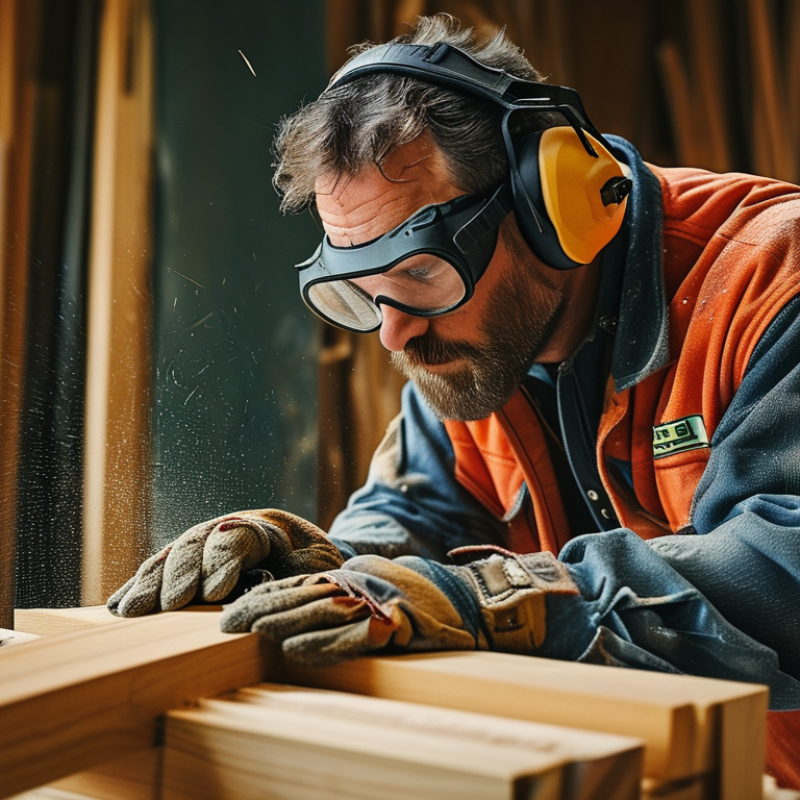
Safety gear in woodworking is crucial for protecting yourself from potential hazards. Accidents can happen, even to experienced woodworkers. Therefore, understanding the importance of safety equipment is key to maintaining a safe workspace.
When working with power tools, always wear safety goggles. They shield your eyes from dust and flying debris. Hearing protection is also vital. When using loud machinery, protective headphones can prevent long-term hearing loss. Likewise, a dust mask is essential, especially during sanding. Inhalation of wood dust can lead to respiratory issues.
It’s beneficial to regularly inspect your gear for damage. Cracked goggles or worn-out ear protection might seem minor, but they can compromise your safety. Reflect on your practices as well. Are you always using protective equipment? Consistent habits in wearing safety gear make a significant difference. Small lapses can lead to significant injuries. Prioritize safety gear to ensure a worry-free woodworking experience.
Woodworking can be a rewarding craft, but safety must always come first. Wearing personal protective equipment (PPE) is crucial in preventing accidents. A reliable pair of safety goggles protects your eyes from flying debris. Hearing protection, such as earmuffs or earplugs, shields your ears from loud machinery noise. These items are not just accessories; they are necessities in any workshop.
Respirators are vital when working with dust and fumes. Air quality can decline rapidly, especially when sanding or using certain finishes. A sturdy set of gloves protects hands from sharp edges and splinters. Quality gloves can enhance grip while handling tools. Additionally, steel-toed boots offer protection from heavy equipment and falling objects.
Consider wearing a dust mask to filter particulates inhaled while working. Sometimes, it is easy to overlook small details like proper clothing. Loose clothes can get caught in machines, leading to severe injuries. By taking safety gear seriously, woodworkers can create in a more secure environment. It’s essential to regularly inspect your gear for damage. A small tear in a glove can lead to bigger problems.
Every woodworking project requires safety gear to protect yourself. Having the right equipment makes a big difference. Use safety glasses to shield your eyes from dust and flying debris. This simple step can prevent serious injuries.
Hearing protection is also crucial. Woodworking machines can be very loud. Wearing earplugs or earmuffs can save your hearing over time. Many people overlook this aspect and suffer for it later.
Don’t forget gloves. While they enhance grip, they also protect against splinters and cuts. Choose gloves that fit well. Ill-fitting gloves can be a distraction and hinder your work.
Proper footwear is essential too. Steel-toed boots can prevent injuries from heavy objects falling. Slip-resistant soles are important to avoid falling in the workshop.
Wearing a dust mask is vital for respiratory protection. Wood dust can be harmful if inhaled. Invest in a quality mask that fits well. Remember, safety gear is there to protect you, but it's not a substitute for safe practices. Always be aware of your surroundings.
| Safety Gear | Description | Importance | Recommended Features |
|---|---|---|---|
| Safety Glasses | Protects eyes from flying debris. | Essential for eye safety while cutting or sanding. | Shatter-resistant lenses, UV protection. |
| Hearing Protection | Reduces noise exposure from power tools. | Prevents hearing loss over time. | Over-ear or in-ear options, noise reduction rating (NRR). |
| Dust Mask/Respirator | Filters harmful dust particles from the air. | Protects lungs from inhaling wood dust. | N95 rated or higher, adjustable straps. |
| Work Gloves | Protects hands from cuts and splinters. | Essential for hand safety. | Cut-resistant, good grip. |
| Face Shield | Provides full-face protection when needed. | Prevents face injuries from debris. | Adjustable headband, impact-resistant. |
| Steel-Toed Boots | Protects feet from heavy objects. | Essential for foot safety around heavy equipment. | Slip-resistant, waterproof. |
| Apron | Protects clothes and provides pockets for tools. | Keeps tools handy and clothes clean. | Durable material, multiple pockets. |
| Knee Pads | Protects knees while working on ground level. | Prevents strain and injury. | Comfortable fit, slip-resistant backing. |
| Tool Safety Guards | Provides protection from moving parts of tools. | Reduces risk of accidents. | Adjustable, easy to install. |
Choosing the right safety gear is crucial for woodworking tasks. Different projects require specific protections. For instance, when operating saws, wearing safety goggles is essential. They protect eyes from flying debris. Dust masks are equally important during sanding tasks to prevent inhalation of harmful particles.
Gloves are vital too, but the right type matters. Heavy-duty cuts may require cut-resistant gloves. In contrast, lighter projects might need dexterity-focused options. Ear protection is necessary for power tools that produce high noise levels. Prolonged exposure can lead to hearing damage.
Each task has unique risks. Evaluating these risks helps in making informed decisions. For instance, when working with chemicals, having a respirator is essential. Reflecting on past experiences can guide future gear choices. Always remain mindful of your surroundings and the tools you use. Prioritize safety through careful preparation and equipment selection.
Maintaining your woodworking safety gear is crucial for your protection. Start by regularly checking your equipment for wear and tear. Look for cracks in goggles and frayed straps on masks. These small details can prevent serious injuries. Clean your gear after each use to remove sawdust and debris. A simple wipe-down can extend the life of your equipment.
Storing your safety gear correctly also matters. Avoid damp places that can cause rust or mold. A dry, dedicated storage space keeps gear in top condition. Consider labeling storage areas for easy access. This helps you remember where each piece is.
It’s also wise to periodically review your inventory. Replace any gear that shows significant damage. Investing time in caring for your safety equipment pays off in the long run.
: The right gear protects you from specific risks in different woodworking tasks.
Safety goggles are essential. They shield your eyes from flying debris.
Yes, especially during sanding tasks. They help prevent inhaling harmful particles.
Choose cut-resistant gloves for heavy-duty tasks. For lighter projects, opt for dexterity-focused options.
Ear protection is important when using loud power tools. Prolonged noise exposure can cause hearing damage.
Regularly check for wear and tear. Replace any gear that shows significant damage.
Clean gear after each use. A simple wipe-down can extend its life.
Store in a dry, dedicated space. Avoid damp areas to prevent rust or mold.
Periodically check your inventory. It helps you remember what you have and needs replacing.
Look for cracks in goggles or frayed straps on masks. These small details are crucial for safety.
In woodworking, ensuring safety is paramount, and understanding what safety gear you need for woodworking can significantly reduce the risk of injuries. Essential personal protective equipment (PPE) includes safety goggles, ear protection, gloves, masks, and durable work boots. These items help protect against debris, loud machinery, and potential hazards associated with various woodworking tasks.
When selecting safety gear, it is crucial to consider the specific requirements of each project. For instance, dust masks are essential for tasks that create fine particles, while hearing protection is vital when operating loud tools. Additionally, properly maintaining your safety equipment ensures its effectiveness over time. By equipping yourself with the right gear and understanding its importance, you can enjoy woodworking while prioritizing your safety.

Pargo Tool