When embarking on a DIY home renovation, knowing "what are the essential tools for DIY home renovation" is critical. Mark Thompson, a seasoned contractor and renovation expert, emphasizes, "The right tools can make or break your project." This statement reflects the importance of equipping yourself properly before starting any renovation task.
In renovations, having the essential tools can mean the difference between success and frustration. Many new DIYers underestimate what they need. A basic toolkit might include items like a hammer, level, and a measuring tape. Each tool serves a specific purpose, ensuring accuracy and efficiency in your work. However, purchasing tools without understanding their use can lead to challenges. For instance, investing in a high-quality saw is pointless if you're unaware of proper cutting techniques.
It's crucial to approach your toolbox with a mix of enthusiasm and caution. While tools can empower you, they can also create obstacles if misused. Understanding which tools are truly essential can help you avoid unnecessary expenses. Ultimately, a well-thought-out toolkit sets the stage for a successful home renovation journey.
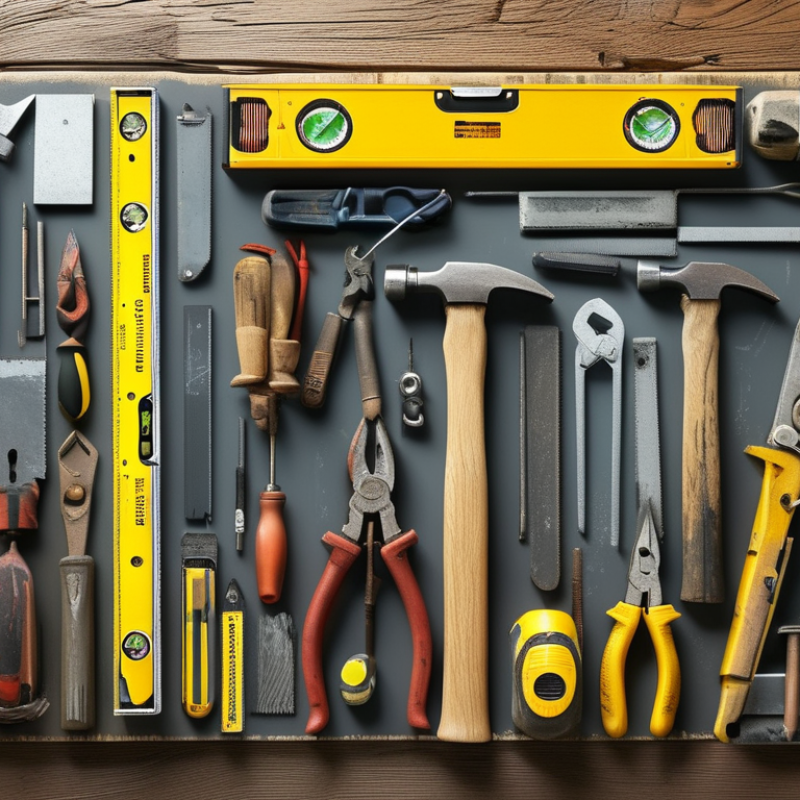
Essential Hand Tools for Accurate Cutting and Measuring in Renovation
When tackling DIY home renovations, having the right tools is crucial. Accurate cutting and measuring can make or break your project. Essential hand tools like a quality tape measure, a carpenter's square, and a utility knife are fundamental. These tools ensure precise measurements and clean cuts, which are especially important for fit and finish.
Tips: Always measure twice before cutting. Double-checking can help avoid costly mistakes. When using a utility knife, ensure your blade is sharp. A dull blade can lead to inaccuracies and even injuries. Invest time in learning to use a carpenter's square correctly. This tool can help create perfect right angles, ensuring your structure is solid and aesthetically pleasing.
Remember, not every cut will be flawless. Mistakes happen. Learn from them. If a cut is off, assess why it happened. Was it your measuring technique? Or perhaps the tool was misused? Reflecting on these details will enhance your skills over time. Embrace the learning process as part of your renovation journey.
Power Tools to Enhance Efficiency and Precision in Home Projects
When it comes to DIY home renovation, power tools can significantly boost your efficiency and precision. A cordless drill is essential for any project. It allows for quick drilling and fastening without the hassle of cords. You can easily change bits for different tasks. A miter saw, though somewhat intimidating at first, can make clean cuts at various angles. This tool is perfect for trimming and molding.
Investing in a quality level is vital for accuracy. It saves you from costly mistakes due to misaligned shelves or frames. Remember to keep it close at hand. A jigsaw is another handy tool for intricate cuts in wood or other materials. However, inexperienced users may struggle with controlling it.
Sometimes, using these tools can be overwhelming. You might face challenges, like uneven cuts or improper assembly. It’s important to practice and learn from these experiences. Each project teaches you something new. Embrace those moments of imperfection—they lead to growth and future success in your DIY journey.
Safety Equipment Importance: Protecting Yourself During Renovation Tasks
Renovating your home can be an exciting project, but
safety should be your top priority.
Wearing gloves can protect your hands from cuts and scrapes.
Safety glasses shield your eyes from debris. A mask is crucial too, especially when working with dusty materials.
Each task has its own risks, and recognizing them is essential.
For example, electrical work can be hazardous without proper gear.
Consider using knee pads if you're working on floors. They save your knees from strain and potential injury.
Strong, steel-toed boots are a good choice for protection against falling objects. Always make sure your workspace is tidy.
A cluttered area can lead to accidents. Don't overlook the importance of a first aid kit on-site.
Accidents happen, even with caution.
Remember, investing in safety equipment is just as important as the renovation itself.
Though it may feel inconvenient at times, no project is worth your well-being.
Treat each task with respect, and prioritize safety measures. You might even find that a safer environment leads to a more enjoyable renovation experience.
Essential Fasteners and Adhesives: Key Materials for Structural Integrity
When embarking on a DIY home renovation, selecting the right fasteners and adhesives is crucial. According to the National Association of Home Builders, improper fastener selection can lead to structural issues, costing homeowners up to 15% more in repairs. The right materials ensure that your renovations stand the test of time.
Consider using epoxy adhesives for bonding materials. They offer superior strength and durability. In contrast, PVA glue is great for wood projects but may not provide the same level of water resistance. For structural integrity, stainless steel screws resist corrosion and offer better longevity compared to standard steel options. This choice is backed by a study from the American Institute of Steel Construction, which emphasizes the importance of material selection in enhancing performance.
Tip: Always pre-drill holes for screws in hardwood. This prevents splitting and ensures a strong bond. Also, test your adhesive on a small area before applying it broadly to avoid unexpected results. Knowing these details can greatly influence your project's success, but don’t overlook the potential for problems. Over-reliance on specific adhesives without understanding their limits could lead to failures down the road. Choosing the right fasteners and adhesives is not just about putting things together; it's about laying the foundation for lasting renovations.
Budgeting for Tools: Cost-Effective Solutions for Home Renovation Enthusiasts
Budgeting is crucial for DIY home renovation projects. Many enthusiasts underestimate costs. According to a 2021 HomeAdvisor report, homeowners spend an average of $1,500 on tools alone. This figure can vary based on the scope of the project and the quality of the tools selected.
To maximize your budget, consider essential tools like drills, saws, and sanders. Renting tools can be a cost-effective solution. The same HomeAdvisor study revealed that renting tools can save homeowners up to 40% in some cases. However, this approach requires research to find local rental options. Planning for tool purchases could also prevent overspending on unnecessary items.
While cost-effective solutions exist, buyers often make impulse purchases. Many DIYers start with excitement but later realize they bought tools they rarely use. Maintaining a well-thought-out list and prioritizing essential tools over luxury ones can help reduce waste. Effective budgeting aligns with smart purchasing decisions, ultimately leading to successful renovation results.
FAQS
: Safety equipment protects against injuries. Gloves prevent cuts, while safety glasses shield eyes from debris.
Use gloves, safety glasses, and masks. Knee pads protect your knees, while steel-toed boots guard against falling objects.
A tidy workspace reduces the risk of accidents. Always keep your area organized during renovation tasks.
Proper selection prevents structural issues. Incorrect fasteners can cost homeowners up to 15% more in repairs.
Epoxy adhesives provide superior strength. PVA glue works well for wood but lacks water resistance.
Renting tools can save up to 40%. Purchase only essential items to avoid overspending on rarely used tools.
Impulse purchases often lead to acquiring unnecessary tools. Many buyers later regret their choices due to infrequent use.
Yes, always test on a small area first. This helps avoid unexpected results that could affect your project.
Effective budgeting ensures smart purchases and reduces waste. This aligns your spending with actual project needs.
Recognize the tools and materials you select can lead to issues. Understanding limitations is key to avoiding failures.
Conclusion
When considering what are the essential tools for DIY home renovation, it’s crucial to start with the basics. Essential hand tools, such as measuring tapes and saws, provide accuracy in cutting and measuring, which is fundamental for any renovation project. Additionally, power tools significantly enhance efficiency and precision, making larger tasks more manageable. Safety equipment should also be prioritized to protect yourself during various renovation tasks, ensuring a secure working environment.
Furthermore, understanding essential fasteners and adhesives is vital for maintaining structural integrity in your projects. Finally, budgeting for tools is necessary, as finding cost-effective solutions can help DIY enthusiasts accomplish their renovation goals without overspending. By equipping yourself with the right tools and knowledge, you can effectively tackle any home renovation challenge.

 Pargo Tool