How to Fix an Angle Grinder Throwing Too Many Sparks?

Time:2026-09-09 Author:Sophia
0%

Why is my angle grinder throwing too many sparks? The answer often begins with the disc, not the sparks themselves. Excessive sparks may indicate a worn wheel, incorrect disc type, excessive pressure, poor material contact, or an unsuitable speed rating. A bright shower can look normal when cutting steel. It should not become a continuous, forceful stream that changes color or direction.

The Occupational Safety and Health Administration (OSHA) requires abrasive-wheel inspections, correct guarding, and suitable operating speeds under 29 CFR 1910.215. The UK Health and Safety Executive’s Abrasive Wheels guidance also stresses wheel condition, compatibility, and operator training. These requirements reflect real workshop hazards, including wheel failure, burns, eye injuries, and ignition of nearby materials. The U.S. Bureau of Labor Statistics continues to identify contact with objects and equipment as a major category of workplace injury data, reminding us that small setup errors can have serious consequences.

Dr. David Michaels, former OSHA Assistant Secretary, stated, “Every worker has the right to a safe and healthful workplace.” That principle applies directly here. Stop the tool first. Inspect the disc, flange, guard, cable, and workpiece. A small assumption can become a hot mistake. I have seen users blame the grinder when the real problem was a damaged cutting wheel or excessive force. Sometimes, the explanation is less dramatic. Dust, lighting, and a poor viewing angle can make normal sparks appear excessive. This guide explains how to separate normal spark behavior from warning signs and correct the problem safely.
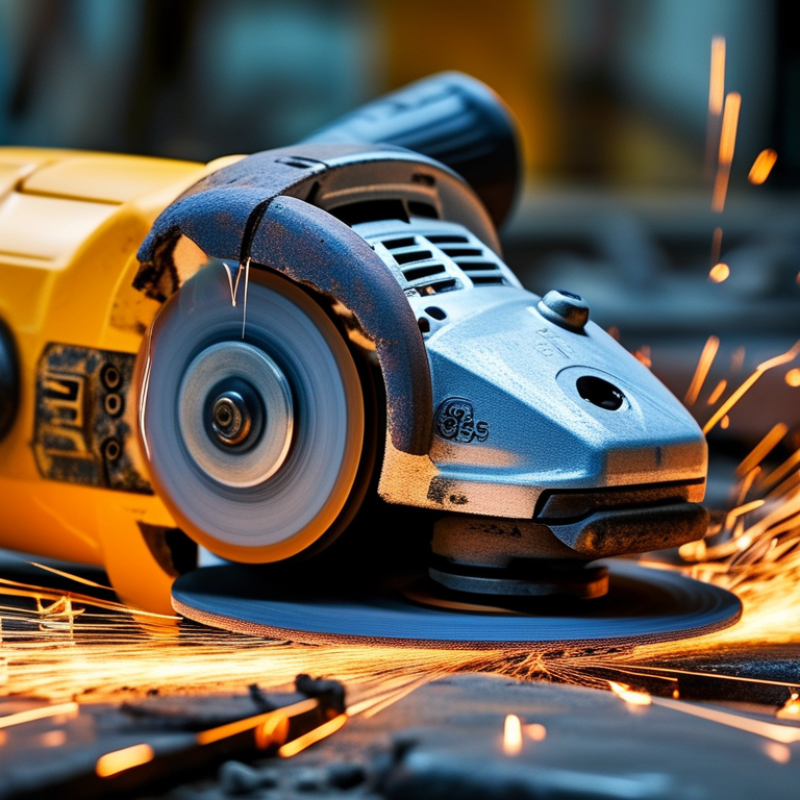
How to Fix an Angle Grinder Throwing Too Many Sparks?

Understanding Why an Angle Grinder Produces Excessive Sparks

An angle grinder may throw a bright shower when its carbon brushes lose proper contact. However, excessive sparks usually signal a fault, not normal cutting performance. During workshop inspections, I check the brush holders, commutator, disc, and air vents before testing anything. Unplug it first. Brushes worn below their service mark can arc against a damaged commutator. Look for blue discoloration, deep grooves, or a sharp burnt smell.

Overloading is another frequent cause. Pressing hard through thick steel slows the motor and increases current, heat, and arcing. A jammed or unsuitable disc can create the same stress. Let the tool cut at its own pace. Keep both hands steady, and never use a cracked, warped, or incorrectly rated wheel. Restricted vents trap hot air around the motor. Clean them with a dry brush after disconnecting power.

I have learned not to blame the disc immediately; a loose bearing can also make the armature wobble. If sparks remain after fitting fresh, correctly sized brushes, stop using the grinder. A technician should test the commutator, bearings, switch, and insulation with proper instruments. Do not keep testing it. That habit can turn a repairable fault into a burned motor or an electric shock. Some spark patterns are difficult to judge by eye, and my first guess has sometimes been wrong. Record when the sparking starts, especially during startup, heavy cutting, or no-load running.

Checking the Disc, Guards, and Grinder Components Safely

An angle grinder may throw brief sparks during ordinary steel cutting, but a sudden, heavy spray needs attention. I once treated brighter sparks as normal. That was a poor assumption. OSHA estimates about 2,000 workplace eye injuries occur daily in the United States, so spark control deserves more than a quick glance.

Unplug the grinder before inspection, then check the disc under strong light. Look for cracks, missing segments, glazing, warping, or a worn diameter. Confirm the disc matches the material and grinder speed rating. Tighten the flange correctly, without forcing it. A guard should cover the exposed disc and direct sparks away from your body. It must not rub the disc. Never remove it to improve visibility. HSE guidance also highlights incorrect discs, inadequate guarding, and kickback as recurring power-tool hazards.

Spin the disc by hand after disconnecting power. Listen for scraping and feel for side-to-side movement. Inspect the spindle, flanges, ventilation slots, power cord, switch, and carbon brushes. Excessive vibration, burning smell, heat, or uneven rotation points toward a damaged bearing or motor component. Stop using it. Do not test the grinder while holding it loosely. Secure the workpiece, wear impact-rated eye protection and a face shield, and keep flammable dust away from the spark path. OSHA’s eye-injury estimate is broad, not grinder-specific, but it exposes an uncomfortable weakness: a short inspection is often skipped when the tool still appears to work.

How to Fix an Angle Grinder Throwing Too Many Sparks? - Checking the Disc, Guards, and Grinder Components Safely

Inspection Area Possible Cause of Excessive Sparks Safe Check Recommended Action Priority
Spark Pattern A small, steady stream of sparks directed away from the operator can be normal when grinding ferrous metal. Observe the direction, length, color, and consistency of the sparks without placing hands near the disc. Stop work if sparks suddenly become unusually long, bright, erratic, or accompanied by smoke, burning odor, vibration, or loss of power. Monitor
Abrasive Disc The disc may be worn, cracked, chipped, warped, contaminated, or unsuitable for the material. Unplug the grinder or remove its battery. Inspect the disc for cracks, missing sections, uneven wear, and expired or unreadable markings. Replace any damaged or questionable disc with the correct type, diameter, thickness, and maximum speed rating for the grinder. Stop immediately
Disc Installation An incorrectly fitted disc, loose flange, dirty spindle, or incorrect mounting hardware can cause wobble and increased sparking. With power disconnected, check that the flanges are clean, the disc sits flat, and the spindle and retaining nut are undamaged. Install the disc according to the tool instructions. Tighten only as specified; do not use damaged or mismatched flanges. Correct before use
Disc Compatibility A cutting disc may be used for side grinding, or a disc may be rated for a lower speed than the grinder. Compare the disc markings with the grinder specifications and confirm that the disc is intended for the operation being performed. Use only accessories designed for the specific task. Never exceed the disc’s marked maximum operating speed. Stop immediately
Wheel Guard The guard may be missing, loose, incorrectly positioned, or unable to contain fragments and direct sparks safely. Disconnect power and check that the guard is secure, undamaged, and positioned between the disc and the operator. Adjust or replace the guard before operating. Do not remove it to improve visibility or access. Do not operate
Workpiece Contact Excessive pressure, forcing the disc, or trapping the disc in a cut can overload the motor and produce more sparks. Check for deep gouges, a stalled disc, kickback marks, or a cut that is closing around the wheel. Use light, controlled pressure and allow the abrasive to work. Keep both hands on the grinder and maintain a stable stance. Change technique
Ventilation Openings Metal dust can block cooling vents, causing overheating, arcing, or reduced motor performance. After disconnecting power and allowing the tool to cool, inspect the air openings for dust or debris. Clean the vents with dry, clean air or a soft brush according to the tool instructions. Do not insert metal objects into the housing. Service soon
Carbon Brushes and Commutator Worn brushes, damaged brush holders, or a rough commutator can create heavy internal arcing that is visible through the vents. Look for persistent blue flashes, smoke, burning odor, abnormal noise, or power fluctuations. Do not open the housing unless qualified. Stop using the grinder and have the electrical components inspected or replaced by a qualified repair professional. Stop immediately
Power Cord, Plug, or Battery A damaged cord, loose connection, overheated plug, or faulty battery connection can cause intermittent power and arcing. Inspect the exterior for cuts, exposed conductors, melted insulation, loose terminals, or heat discoloration. Remove the tool from service. Replace damaged parts with approved components; never tape over exposed conductors. Stop immediately
Spindle and Bearings A bent spindle, loose bearing, or damaged gear can make the disc run out of true and increase vibration and sparks. With the power disconnected, check for unusual disc movement or excessive play. Do not force or run the tool to test it. Have the grinder inspected by a qualified technician. Do not continue using a tool with significant vibration or mechanical noise. Stop immediately
Material and Coatings Paint, plating, rust, or hardened areas can change the spark pattern and may release hazardous dust or fumes. Identify the material and coating before grinding. Check whether the workpiece may contain lead, chromium, or other hazardous substances. Use suitable ventilation, eye and face protection, hearing protection, gloves, and respiratory protection based on the hazard assessment. Assess first
Fire Prevention Sparks can ignite flammable liquids, gases, dust, wood, insulation, or other combustible materials. Survey the spark path and the area behind the workpiece before starting. Keep an appropriate fire extinguisher accessible. Remove or shield combustibles, control the spark direction, and perform a post-work fire watch when required by the site procedure. Required every time
Safety rule: Disconnect the grinder from power or remove its battery before inspecting, changing the disc, adjusting the guard, or clearing debris. If excessive sparks continue after basic checks, stop using the tool and obtain a qualified inspection.

Cleaning the Tool and Replacing Worn Carbon Brushes

How to Fix an Angle Grinder Throwing Too Many Sparks?

An angle grinder may produce small sparks during normal operation. Large, bright sparks need attention. Disconnect the power before touching the tool. Let the motor cool completely. Remove the guard only if the manufacturer’s instructions allow it. Use a soft brush or vacuum to clear carbon dust from the vents, brush holders, and motor housing. Do not force debris deeper inside. A clogged vent can trap heat and make sparking worse.

Inspect the carbon brushes carefully. They should slide freely and press firmly against the commutator. Short, chipped, cracked, or uneven brushes need replacement. Replace both brushes as a matched set, even if only one looks damaged. Worn brushes can lose contact, causing bright flashes and a rough motor sound. Fit the new brushes in the correct direction. Keep the springs seated properly. Never use improvised materials.

I once blamed heavy sparking on dirty vents, but the real problem was a brush worn almost to its holder. That mistake reminded me to inspect parts, not guess. After replacement, rotate the spindle by hand and check for resistance. Run the grinder briefly in a clear area. Some light sparking may remain while new brushes settle. Stop immediately if sparks form a continuous ring, the motor smells burned, or the commutator looks deeply grooved. Those signs may require qualified electrical repair.

Adjusting Cutting Technique and Choosing the Right Disc

How to Fix an Angle Grinder Throwing Too Many Sparks?

Excessive sparks often come from forcing the disc through metal. I used to push harder when a cut slowed down, but that only increased heat and friction. Secure the workpiece firmly, then guide the grinder with both hands. Keep the disc straight and let its speed do the cutting. A light, steady feed usually produces a narrower spark stream. Do not twist the disc inside the cut. That small mistake can make sparks burst sideways.

Disc selection matters just as much. Use a thin cutting disc for cutting metal, not a thick grinding disc. Check that the disc matches the material, diameter, and grinder speed rating. A worn, chipped, damp, or incorrectly installed disc can create unusual sparks and vibration. Never use the side of a cutting disc for grinding. It is not designed for that pressure. I once blamed the tool before checking the disc, which was already badly worn.

Watch the spark pattern, but do not rely on it alone. Some sparks are normal when cutting steel. A sudden change, burning smell, heavy vibration, or dull cutting action needs attention. Stop the grinder, disconnect power, and inspect the disc and guard. Wear eye protection, a face shield, hearing protection, and suitable clothing. Keep flammable materials away from the spark path. My technique still needs checking on every new material, because the same pressure does not suit every cut.

Testing the Grinder and Identifying When Professional Repair Is Needed

How to Fix an Angle Grinder Throwing Too Many Sparks?

Testing the Grinder and Identifying When Professional Repair Is Needed

A few small, even sparks may be normal, especially during a new brush break-in. A sudden shower is different. Stop cutting, switch off the tool, and unplug it completely. I check the disc, guard, vents, cord, and plug before touching anything else. Look for a jammed disc, black dust, melted insulation, or a sharp burning smell. These details often reveal more than the sparks themselves.

Test carefully. Remove the disc only if the manual permits it, and never operate the grinder without its guard. Wear eye protection and keep your hands clear. In a clean, open area, run the unplugged tool through a basic visual inspection, then perform a brief no-load test with the correct guard fitted. Healthy operation should sound steady, without surging, grinding, or heavy blue arcing near the brush area. Stop immediately if the housing heats quickly. Do not ignore vibration.

Worn carbon brushes can cause uneven sparking, but a damaged commutator, loose connection, failing switch, or bearing may look similar. I have misjudged this before; replacing brushes did not solve a rough, humming motor. That mistake matters. Seek professional repair when sparks remain heavy, speed changes by itself, smoke appears, or internal parts need testing. A trained technician can measure electrical resistance, inspect the commutator, and verify insulation safely. Avoid opening the housing unless you have suitable training and test equipment.

Fresh sparks are cheaper than hidden damage.

FAQS

:

re small sparks from an angle grinder always dangerous?

What should I do when the grinder suddenly throws heavy sparks?

Switch it off, unplug it, and let the motor cool completely. Keep the tool away from flammable dust. Do not continue cutting.

How can I inspect the disc safely?

Use strong light and check for cracks, missing segments, glazing, warping, or excessive wear. Confirm the disc suits the material and grinder speed rating. Replace questionable discs.

What problems can a damaged guard cause?

A loose or missing guard may expose you to fragments and redirect sparks toward your body. The guard should cover the exposed disc without rubbing it. Never remove it for better visibility.

Can blocked vents cause excessive sparking?

Yes. Carbon dust and debris can trap heat inside the motor housing. Unplug the grinder first. Use a soft brush or vacuum. Do not push debris deeper.

How do I know whether carbon brushes need replacement?

Short, chipped, cracked, or uneven brushes need replacement. They should slide freely and press firmly against the commutator. Replace both brushes together. Do not improvise.

What signs suggest the problem is more serious than worn brushes?

Continuous arcing, smoke, burning odors, rapid heating, vibration, or changing speed suggest deeper damage. A rough humming sound also matters. I once blamed brushes too quickly.

When should a qualified technician inspect the grinder?

Seek professional repair when heavy sparks continue after basic checks or brush replacement. Internal testing may involve the commutator, bearings, switch, wiring, or insulation. Do not open the housing without suitable training and equipment.

Conclusion

If you are wondering, “why is my angle grinder throwing too many sparks,” the cause may be a worn disc, incorrect cutting pressure, blocked ventilation, damaged guards, or aging internal components. Begin by unplugging the grinder and inspecting the disc for cracks, uneven wear, or an unsuitable type. Check that the guard is secure and that the tool’s housing, vents, and power cord show no visible damage. Clean away dust and debris, then inspect the carbon brushes if the grinder design allows safe access. Severely worn brushes should be replaced with compatible parts.

Use the grinder with steady, moderate pressure and avoid forcing the disc through material. Select a disc designed for the specific task and material, and make sure it is installed correctly. After reassembly, test the tool briefly in a clear, controlled area while wearing appropriate protective equipment. If excessive sparking continues, the motor smells burnt, performance remains unstable, or internal parts appear damaged, stop using the grinder and seek qualified professional repair instead of attempting risky repairs.

Sophia

Sophia

Sophia is a dedicated marketing professional with an exceptional depth of knowledge about her company's products and services. With a keen understanding of market trends and customer needs, she crafts insightful blog posts that not only inform but also engage readers, enriching the company’s online......