What Size Generator Do I Need to Run Power Tools in 2026?

Time:2026-10-14 Author:Oliver
0%

Choosing the right generator begins with one practical question: what size generator do I need to run power tools?

The answer depends on running watts, starting watts, tool combinations, and the worksite itself. A compact circular saw may need about 1,500 running watts, yet demand nearly twice that during startup. Compressors and grinders can create sharper surges. Cord length, cold weather, and a weak extension cord also affect performance.

Electrical safety expert and author Mike Holt often emphasizes, “Safety is not an option.” That principle applies when sizing a portable generator. A unit that barely meets the running load may stall, overheat, or damage sensitive equipment. Bigger is not automatically better, either. Oversizing can increase fuel use and make transport unnecessarily difficult.

Write down every tool you may use together. Add their running watts. Then include the largest starting surge, rather than adding every surge at once. That method is not perfect, but it is more realistic than trusting a tool’s headline wattage.

Real jobs are messy.

This guide explains how to read nameplates, estimate startup demand, and choose a practical safety margin for 2026 projects. It also examines common mistakes, including ignoring idle loads and assuming a generator’s peak rating equals its continuous capacity. When uncertain, consult a licensed electrician or the generator manufacturer. A few extra minutes of checking can prevent a dark, stalled jobsite.
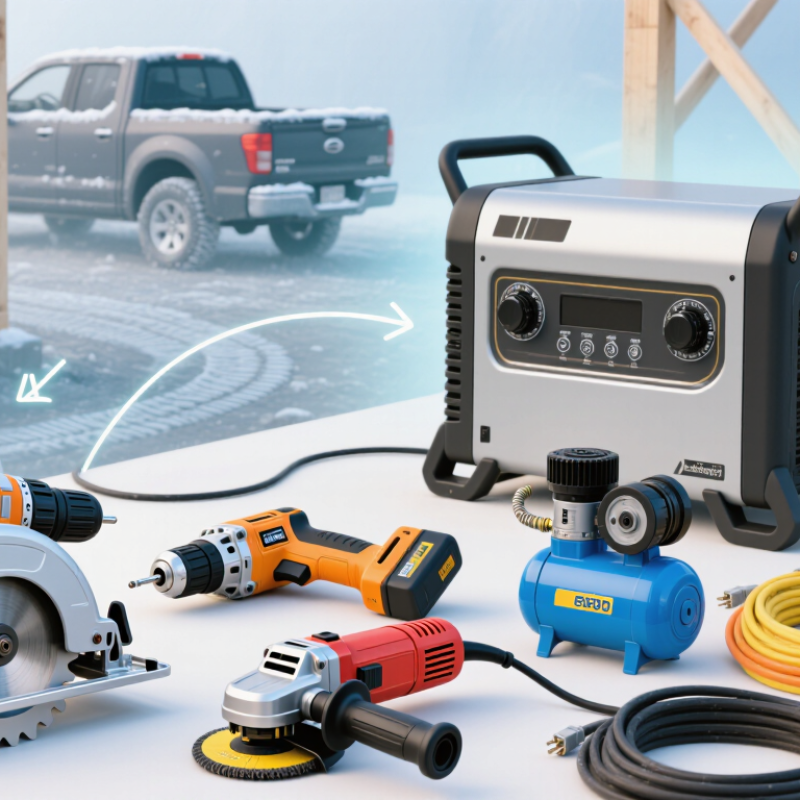
What Size Generator Do I Need to Run Power Tools in 2026?

Understanding Generator Wattage and Power Tool Requirements

What Size Generator Do I Need to Run Power Tools in 2026?

Understanding Generator Wattage and Power Tool Requirements

Choosing a generator starts with wattage, not the tool’s advertised voltage. Check each tool’s nameplate for running watts, then add its starting demand. The U.S. Department of Energy’s Energy Saver guidance separates continuous power from short-term startup power. This distinction matters. A circular saw may run near 1,500 watts, yet its motor can briefly require two or three times more. Exact figures vary by model, blade condition, and material.

List the tools you will use at the same time. Add their running watts, then reserve at least 20 percent capacity for surges and overlooked loads.

For example, a drill drawing 700 watts, a work light using 100 watts, and a compressor rated at 1,200 watts need 2,000 running watts before startup.

A generator around 2,500 to 3,000 running watts may be more practical, but the compressor’s surge rating must confirm it.

National Fire Protection Association guidance also emphasizes proper grounding, outdoor placement, and approved transfer equipment. Carbon monoxide risk remains serious; U.S. Consumer Product Safety Commission reports continue to document generator-related deaths each year.

A tidy calculation can still fail onsite. Cold weather, long extension cords, and worn motors reduce available performance. I would test the largest tool alone, then add smaller loads gradually. Oversizing wastes fuel, while undersizing causes voltage drops and motor stress. Check the manual before trusting a quick estimate.

Calculating Starting and Running Watts for Each Tool

What Size Generator Do I Need to Run Power Tools in 2026?

Calculating starting and running watts prevents stalled motors and overloaded circuits. I measure each tool’s running wattage from its nameplate or manual. For a 120-volt tool, multiply volts by amps. A 12-amp saw therefore needs about 1,440 running watts. A 15-amp grinder needs approximately 1,800 watts.

Starting watts are higher. Motor-driven tools can briefly require two or three times their running demand. A compressor may need 3,000 starting watts but only 1,000 running watts afterward. Add the running watts of tools used together, then add the largest startup surge among them. Do not automatically add every startup rating unless the tools start simultaneously. That mistake can greatly oversize the generator.

I once estimated a workshop load from running watts alone. The generator sounded strained when the saw started. My calculation was too optimistic. Leave at least 20 percent spare capacity for cold starts, extension-cord losses, and changing loads.

For example, a saw using 1,800 running watts and a 1,000-watt extractor may need about 2,800 running watts. If the saw requires 3,600 starting watts, choose a generator rated above 4,000 surge watts, with enough continuous output for both tools.

Check those figures carefully. Real startup demands vary with blade condition, temperature, and cord length.

Matching Generator Capacity to Single-Tool and Multi-Tool Use

What Size Generator Do I Need to Run Power Tools in 2026?

Matching Generator Capacity to Single-Tool and Multi-Tool Use

Choose a generator by running watts, not its headline maximum. Check each tool’s nameplate or manual for continuous wattage and startup demand. A circular saw may run near 1,500 watts but briefly require much more when the blade enters dense wood. Compressors, grinders, and mixers can create similar surges. Add the running watts of your largest tool, then allow roughly 25 percent headroom. This keeps the generator from operating at its limit.

Single-tool use is simpler. A generator rated around 2,500 to 3,000 running watts may handle one medium saw, drill, or grinder, depending on startup demand. Test the actual tool before relying on that estimate. I have seen identical-looking tools draw noticeably different current. That detail matters.

Multi-tool work needs a different calculation. Add the continuous wattage of tools used at the same time, then include the highest startup surge. Do not add every possible peak unless several motors start together. A saw and dust extractor might run together, while a compressor starts later. In that case, a 5,000-watt unit may be more practical than a 3,000-watt model. Leave extra capacity for chargers, lights, and cold-weather performance. Undersizing feels cheaper at purchase, but repeated overloads can interrupt work and shorten equipment life. My first estimate is often too optimistic. Recheck the numbers on site.

Choosing Generator Features for Safe, Stable Jobsite Power

What Size Generator Do I Need to Run Power Tools in 2026?

Choosing Generator Features for Safe, Stable Jobsite Power

Generator size starts with the tools you will use together. Add each tool’s running watts, then include the highest starting surge. A 15-amp saw may draw about 1,800 running watts, but its motor can demand much more briefly. A practical generator often needs 3,000 to 5,000 rated watts for several common tools. Check every nameplate instead of trusting a rough estimate.

Stable power matters as much as capacity. Choose a unit with overload protection, automatic voltage regulation, and low harmonic distortion for chargers or sensitive electronics. Look for GFCI-protected outlets and a clear circuit breaker layout. Long, undersized extension cords can cause voltage drops and heated plugs. Use heavy-duty cords rated for the tool load.

Safety features deserve close attention. Carbon monoxide detection and automatic shutdown help protect workers near enclosed areas, but they cannot replace outdoor placement. Keep exhaust away from doors, windows, and air intakes. Grounding instructions must match the generator and jobsite setup. Never refuel a hot engine.

I prefer leaving spare capacity. It reduces nuisance trips and keeps motors starting smoothly. Still, bigger is not always better; oversized units waste fuel and may run poorly under light loads. I have seen teams calculate perfectly, then forget a compressor or battery charger. Recheck the load when the work plan changes.

What Size Generator Do I Need to Run Power Tools in 2026?

Typical running and startup power requirements for common jobsite tools

These are typical single-tool estimates. Motor-driven equipment can briefly draw two to three times its running wattage during startup. Choose a generator with continuous output above the expected running load and surge capacity above the highest starting demand. Add the running watts of tools that will operate at the same time, and allow extra capacity for lights, chargers, and other site equipment.

Checking Fuel Use, Noise Levels, Portability, and 2026 Standards

What Size Generator Do I Need to Run Power Tools in 2026?

Power tools need starting wattage, not only running wattage. Add each tool’s running watts, then include the largest starting surge. A 2,000-watt saw may briefly demand twice that power. Portable generator testing commonly reports 0.4 to 1 gallon of gasoline per hour at moderate loads. Actual use changes with tool cycles, fuel type, temperature, and maintenance. The U.S. Department of Energy advises matching generator capacity closely to expected demand, rather than buying maximum output.

Noise deserves equal attention. Many open-frame units measure about 65 to 75 dBA at seven metres. Enclosed inverter designs can be quieter, but their cooling systems still produce noticeable sound. NIOSH recommends limiting occupational exposure above 85 dBA over an eight-hour shift. Measure near the operator, not beside the exhaust. That small detail matters. My practical mistake would be trusting a brochure’s “quiet” label without checking its test distance.

Portability includes more than wheel size. Check dry weight, lifting points, fuel autonomy, and cable length. For 2026 purchases, verify the emissions label and certification required in your location. U.S. EPA Phase 3 nonroad engine rules remain relevant, while European buyers may encounter Stage V requirements. These systems are not interchangeable. CPSC safety guidance also stresses outdoor operation and carbon-monoxide protection. Standards reduce risk, but they do not replace careful placement. A smaller generator may be safer and cheaper when tools run intermittently. Allowing too little surge capacity, however, can cause nuisance shutdowns and shorten equipment life.

FAQS

How do I calculate the generator size for power tools?

Add the running watts of every tool used at the same time. Then include the largest starting surge. Leave at least 20 percent spare capacity. Do not rely on voltage alone.

What is the difference between running watts and starting watts?

Running watts keep a tool operating continuously. Starting watts cover the brief motor surge during startup. A motor may need two or three times its normal demand. That short moment matters.

How can I estimate watts from a tool’s amperage?

Multiply volts by amps. A 12-amp tool at 120 volts uses about 1,440 running watts. A 15-amp tool uses approximately 1,800 watts. Check the nameplate or manual for better accuracy.

What generator size might handle a saw, light, and compressor?

A 700-watt drill, 100-watt light, and 1,200-watt compressor need 2,000 running watts. A generator producing 2,500 to 3,000 running watts may work. Confirm the compressor’s startup requirement first. The estimate can fail.

Should I add every tool’s starting wattage together?

Not usually, unless all motors start simultaneously. Add combined running watts and the largest expected startup surge. Adding every surge rating may create an unnecessarily large estimate. It is an easy mistake.

What generator features support stable tool operation?

Look for overload protection, voltage regulation, and clearly arranged circuit breakers. Low harmonic distortion can help protect chargers and sensitive electronics. GFCI-protected outlets add another layer of protection. Capacity still comes first.

How do extension cords affect generator performance?

Long or undersized cords can reduce voltage and heat their plugs. Use heavy-duty cords rated for the connected tool load. Cold weather and worn motors can also reduce performance. I would test the largest tool first.

Where should a generator operate during tool use?

Operate it outdoors, away from doors, windows, and air intakes. Exhaust gases can accumulate in enclosed or partly enclosed spaces. Carbon monoxide detection helps, but it cannot replace outdoor placement. Never refuel a hot engine.

Conclusion

Choosing what size generator do i need to run power tools depends on the combined starting and running wattage of the equipment. Running watts show the power a tool needs continuously, while starting watts account for the brief surge required by motors when they switch on. Begin by checking each tool’s rating, identify the highest startup demand, and add the running watts of any tools that may operate at the same time. A generator should provide sufficient continuous capacity and extra surge headroom to prevent overloads, voltage drops, and interruptions.

For single-tool use, a smaller generator may be practical, while several saws, drills, compressors, or lights require a larger reserve. Useful jobsite features include stable voltage, overload protection, suitable outlets, grounding provisions, and easy controls. Also compare fuel consumption, operating noise, portability, runtime, and maintenance needs. In 2026, selecting equipment that aligns with current safety expectations and emissions requirements can support cleaner, quieter, and more reliable power for professional or home projects.

Oliver

Oliver

Oliver is a seasoned marketing professional with a wealth of expertise in driving brand awareness and engagement. With a deep understanding of our company's product offerings, he consistently delivers high-quality content that enriches our professional blog. His insights not only shed light on......