How to Store Hand Tools to Prevent Rust in 2026

Time:2026-11-01 Author:Charlotte
0%

Rust rarely begins with dramatic damage. It starts as orange freckles beneath a damp wrench, or a stiff hinge after weeks in a crowded drawer. Knowing how to store hand tools to prevent rust protects their working edges, saves replacement costs, and keeps everyday repairs dependable. Corrosion scientist David A. Jones defines corrosion in Principles and Prevention of Corrosion as “the deterioration of a material, usually a metal, because of a reaction with its environment.” That definition explains why storage conditions matter: moisture, salts, and trapped grime can quietly attack bare steel.

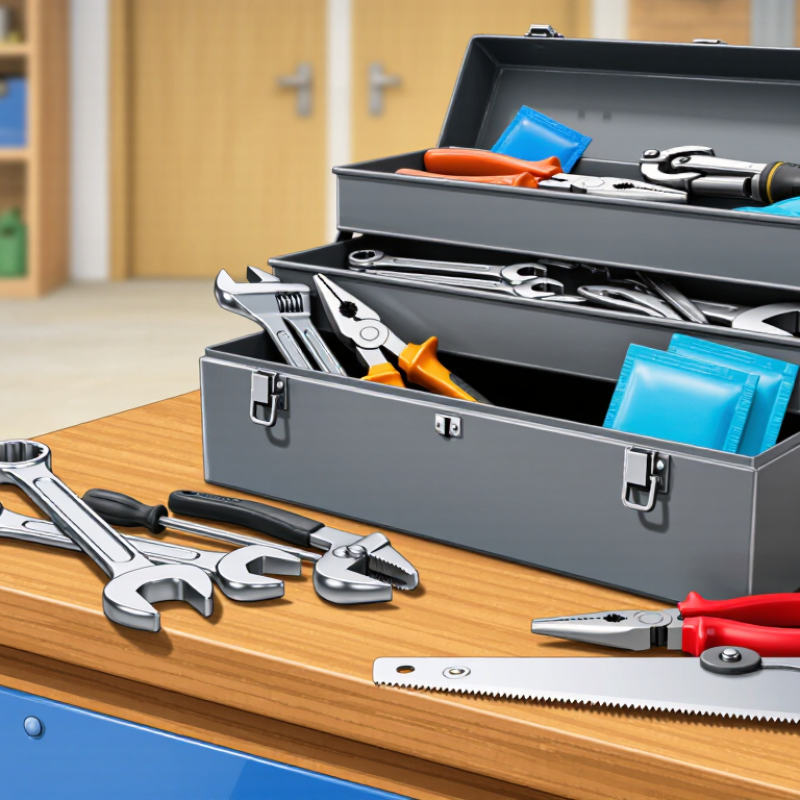
A reliable routine is simple. Wipe each tool clean and dry before putting it away. Pay attention to plier joints, saw teeth, and the corners of adjustable wrenches, where moisture and debris linger. Store tools in a dry cabinet or toolbox, not on a damp basement floor. A silica-gel packet can help inside a closed box, but it is not a substitute for fixing persistent dampness. For long storage, apply a light coat of suitable tool oil to exposed metal; keep oil away from handles and surfaces that must remain clean. Small habits matter.

There are limits. A garage can feel dry while condensation forms overnight on cold steel. Check tools after humid weather, and inspect them monthly if they sit unused. I would not treat every rust spot as proof of neglect; workshop conditions vary, and some advice needs adjustment. Still, a clean, dry tool returned to a protected place has a far better chance of staying ready for work.
How to Store Hand Tools to Prevent Rust in 2026

Understand How Moisture and Contaminants Cause Rust on Hand Tools

Moisture and contaminants work together to rust hand tools. Iron needs water and oxygen to corrode, while salts can speed the process. Sweat leaves salts behind on a screwdriver handle or wrench jaw. Dust and oily grime can hold dampness against metal. Even a tool that looks dry may carry a thin film of moisture after use in a cool garage.

Small habits matter. Wipe tools with a clean, dry cloth before putting them away, paying attention to hinges, teeth, and recessed areas. If tools will sit unused, apply a very light protective oil film to bare steel. Too much oil can attract dust. Store tools only when dry, and keep them off concrete floors, which can transfer moisture. A closed drawer helps, but trapped humid air can still cause trouble. A small desiccant pack may help in a damp cabinet; replace it when it becomes saturated.

Check stored tools every few weeks, especially during humid weather. Look for orange specks near joints or beneath grime, where corrosion can start unnoticed. Clean contaminated tools before storage rather than sealing dirt in with them. I still find it easy to overlook a damp handle after a quick job. That is worth checking. Dry shelves, breathable storage, and regular inspection reduce risk, though no setup stays maintenance-free.

Clean and Dry Tools Before Putting Them Away

After a day’s work, wipe each tool before putting it away. A dry cotton cloth removes sweat, dust, and light moisture from steel surfaces. Check the jaws of pliers, the teeth of a saw, and the hinge of pruning shears. Dirt often stays in corners you do not notice at a glance. Moisture hides there, too. Use a small brush to loosen packed soil or fine metal filings.

If a tool is muddy, clean it with a damp cloth and a little mild soap. Avoid leaving it to soak, since water can collect around joints and handles. Dry it promptly with a clean towel, then let it air-dry briefly in a ventilated spot. Give it time. I have put tools away when they felt dry, only to find a damp seam later. A second check is worth the minute.

Before storage, inspect exposed steel for spots or lingering moisture. A thin film of suitable tool oil can help protect bare metal, but wipe away excess so it does not collect dust. Keep tools separated rather than piled in a damp heap. Hooks or a dry drawer make it easier to see each surface. In humid weather, check stored tools more often; even a clean, dry tool can pick up moisture from the air.

Apply a Suitable Protective Coating to Metal Surfaces

Hand tools last longer when their metal surfaces stay clean and dry. After use, brush away sawdust, soil, or metal filings, then wipe each tool with a dry cloth. Pay attention to hinges, teeth, and the narrow space beneath adjustable jaws. Moisture often hides there. If a tool feels damp, let it air-dry fully before putting it away.

Apply a suitable protective coating to bare metal, such as a tool-preservation oil or a thin layer of paste wax. Put a small amount on a clean cloth, then spread a light film over the surface. Avoid drenching the tool; excess coating attracts dust and can make handles slippery. Keep oil away from surfaces that must remain clean for a task, and follow the product label. Check the coating every few weeks in humid conditions. A quick inspection is easy to skip, and I sometimes forget the tools at the bottom of a drawer.

Tips: Store coated tools in a dry cabinet, not against a damp concrete wall. Add a moisture absorber nearby, and replace it when its indicator changes. Wipe off any new rust promptly, then reapply the coating.

How to Store Hand Tools to Prevent Rust in 2026 - Apply a Suitable Protective Coating to Metal Surfaces

Tool or Metal Surface Suitable Protective Coating How to Apply Inspection and Reapplication Storage Considerations
Carbon-steel pliers, wrenches, and screwdrivers A light film of tool-protective oil or general-purpose machine oil Remove dirt and moisture, then wipe a small amount over exposed metal. Wipe away excess so the surface is not wet or slippery. Check after use and periodically during storage. Reapply if the film has been wiped off or corrosion is beginning. Store in a dry toolbox or cabinet. Keep tools away from damp floors and wet materials.
Chisels, plane irons, and other cutting edges A thin rust-preventive oil film; use a removable coating that is compatible with the tool and its intended use Clean and dry the blade, apply a very thin film, and wipe off excess. Remove the coating before using the edge on a workpiece. Inspect the edge and nearby metal before use and during storage, especially in humid conditions. Protect sharp edges with a guard or sheath. Do not store blades where they can contact damp wood or other wet materials.
Unpainted steel measuring tools and precision surfaces A very light, non-abrasive rust-preventive oil film Wipe with a clean, soft cloth. Keep the coating minimal so it does not interfere with measurement or handling. Inspect regularly; clean and reapply if condensation, fingerprints, or bare patches appear. Keep separate from abrasive tools and store in a dry case or drawer. Allow tools to reach room temperature before putting them away if condensation is present.
Cast-iron tool surfaces, such as plane bodies or bench accessories Light machine oil or a thin coat of paste wax suitable for metal Start with a clean, completely dry surface. Apply sparingly and buff paste wax according to its product directions. Check for water spots and surface discoloration. Renew the coating when it no longer provides an even protective film. Store away from wet concrete, unsealed exterior walls, and areas with frequent temperature changes.
Hinges, pivots, and sliding metal parts A small amount of light machine oil on moving contact points Apply to the joint or sliding surface, operate the mechanism, then wipe away drips and excess oil. Reapply if movement becomes dry or stiff, or if cleaning removes the lubricant. Keep lubricant off grips and cutting surfaces. Store tools so oil cannot drip onto other items.
Tools with painted, plated, or coated metal parts Usually no added coating is needed on intact finishes; use a light oil only on exposed, unprotected steel Clean with a soft cloth and follow the tool maker's care instructions. Avoid abrasive cleaning that can damage the finish. Check for chips, scratches, or worn areas that expose the underlying metal. Store dry and avoid contact with corrosive cleaners or dissimilar wet metals.

General practice: Clean tools and dry them thoroughly before storage. A thin, even protective film is preferable to excess coating. Storage conditions and reapplication frequency depend on humidity, use, and the coating product's instructions.

Choose a Dry, Organized Storage Location

Choose a dry, organized storage location away from sinks, exterior doors, and uninsulated walls. These areas often collect condensation or damp air. Keep tools off concrete floors, which can transfer moisture to metal surfaces. A wall-mounted rack or shallow drawer makes tools easy to inspect and prevents them from sitting in damp piles. Leave space between items so air can circulate. Small details matter.

Use a basic hygrometer to check conditions, especially in basements and garages. If humidity stays high, improve ventilation or use a dehumidifier.

NACE International’s 2016 IMPACT study estimated corrosion costs at US$2.5 trillion annually, about 3.4% of global GDP.

That figure covers corrosion broadly, not hand tools, but it shows why moisture control matters. Wipe tools dry before storing them, and avoid sealing damp tools in airtight boxes. Add a dry, replaceable desiccant pack to enclosed storage, then check it regularly. A tidy drawer can still hide moisture. I still miss spots. A quick inspection each month can catch condensation, surface discoloration, or damp liners before rust spreads.

Inspect Stored Tools Regularly and Refresh Their Protection

Stored tools can develop rust even in a tidy garage. Humid air settles inside drawers, and damp dust can cling to steel edges. Inspect hand tools once a month, and check them after wet weather or seasonal changes. Look closely at plier joints, screwdriver tips, and the undersides of wrench heads. Small orange specks are easier to address than deep pitting. Wipe away dust first, then dry each tool fully.

Tips: Keep a clean cloth nearby. Check drawer corners for moisture. Replace damp desiccant packs, and leave drawers slightly open when the workspace is humid. A quick glance is useful, but it can miss rust beneath overlapping tools.

Refresh protection after cleaning, especially on bare steel. Apply a very thin coat of tool-safe oil with a cloth, then remove visible excess so handles do not become slippery. Follow the product label and avoid coating grips or surfaces that need friction. If rust has appeared, use a suitable nonaggressive cleaning method and inspect the metal again before storing it. Don’t assume a dry-looking tool is protected; that assumption is easy to make and easy to regret. A simple inspection log can help, though remembering to update it is sometimes the part that slips. Keep tools separated, dry, and easy to see so the next check is genuinely quick.

FAQS

Why do hand tools rust even when they look dry?

A thin film of moisture may remain after use, especially in a cool garage. Salt from sweat and grime can keep dampness against the metal.

What should I clean before storing a tool?

Wipe steel with a clean, dry cloth. Check plier jaws, saw teeth, hinges, and recessed areas. Dust can hide in corners.

How should I clean a muddy hand tool?

Use a damp cloth and a little mild soap. Do not soak the tool. Dry it promptly, then let it air-dry briefly.

Should I oil tools before putting them away?

A very light film of suitable tool oil can protect bare steel. Wipe away excess; too much may collect dust or make handles slippery.

Can paste wax protect metal surfaces?

A thin layer of paste wax can help protect clean, dry metal. Apply it with a clean cloth and follow the product label.

Where should I store hand tools?

Use a dry drawer, cabinet, or hooks. Keep tools off concrete floors and damp walls. Do not pile them in a damp heap.

How often should I inspect stored tools?

Check them every few weeks, especially in humid weather. Look for orange specks near joints and beneath grime. Easy to miss.

Can a moisture absorber prevent rust in a cabinet?

It may help in a damp cabinet, but replace it when saturated or its indicator changes. I still forget tools at the bottom of a drawer sometimes; that needs fixing.

Conclusion

Rust develops when moisture and contaminants remain on metal surfaces, so preventing it starts with good care before storage. After each use, remove dirt, dust, and residue, then dry every tool thoroughly, paying attention to joints and other hard-to-reach areas. Once clean and dry, apply a thin, suitable protective coating to exposed metal. This helps limit contact with moisture while keeping tools ready for their next use.

To understand how to store hand tools to prevent rust, choose a dry, well-organized location and keep tools off damp floors or away from persistent sources of humidity. Arrange them so air can circulate and tools are easy to find without scraping against one another. Check stored tools regularly for signs of rust, moisture, or worn coating. If needed, clean and dry them again, then refresh their protective layer to maintain reliable protection over time.

Charlotte

Charlotte

Charlotte is a seasoned marketing professional with a deep understanding of the company's portfolio and a passion for elevating its presence in the market. With a keen eye for detail and a commitment to excellence, she ensures that our professional blog is regularly updated with insightful articles......