How to Measure Bolt Size and Thread Pitch in Simple Steps?

Time:2026-07-16 Author:Oliver
0%

Understanding "how to measure bolt size and thread pitch" is essential for anyone involved in construction or machinery. Accurate measurements ensure the proper fit and function of bolts, which are critical for structural integrity. Selecting the right size and pitch impacts the durability and safety of your projects.

Measuring bolt size involves checking its diameter and length. Use a caliper for precise measurements. Thread pitch, the distance between threads, can be tricky. A thread pitch gauge simplifies this task. These tools help you avoid errors that could lead to costly mistakes.

Inexperience can lead to confusion. Misjudging thread pitch or size may result in incompatible parts. It's essential to double-check your measurements. Understanding these fundamentals builds trust in your work. With practice, you’ll gain confidence in your precision and skill.
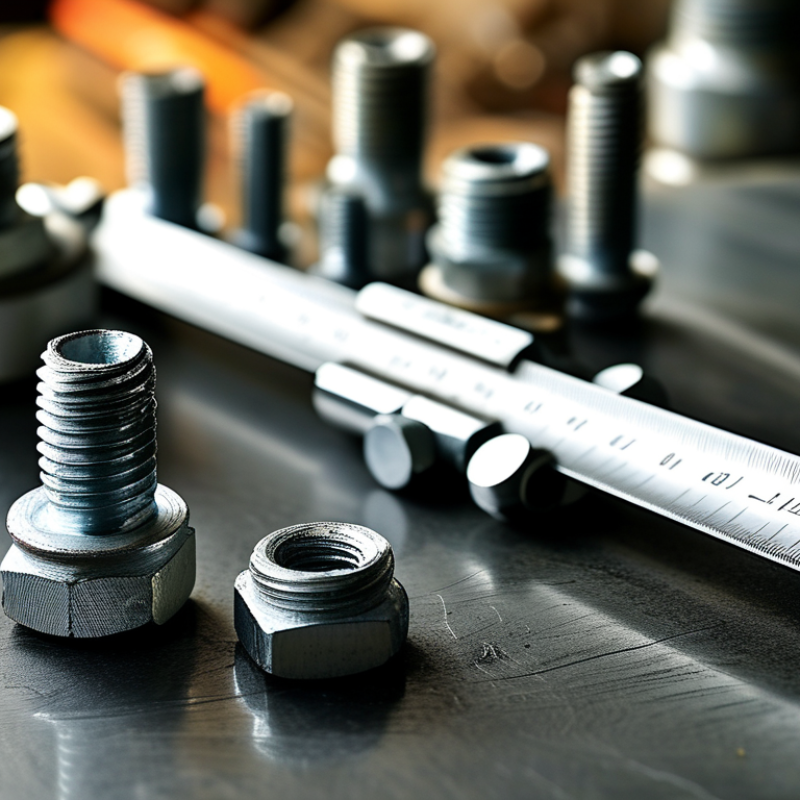
How to Measure Bolt Size and Thread Pitch in Simple Steps?

Understanding Bolt Sizes and Thread Pitch Basics

Understanding bolt sizes and thread pitch is essential for anyone working with machinery or construction. Bolt sizes are typically stated in terms of diameter and length. For example, a bolt measuring 10 mm in diameter and 50 mm long is described as a “10 mm x 50 mm bolt.” Knowing the size ensures that the bolt will fit the corresponding nut or hole. It's important to have various sizes on hand, as one size does not fit all.

Thread pitch refers to the distance between threads on a bolt. It’s often measured in millimeters in metric systems. For instance, if the threads are spaced 1.5 mm apart, the pitch is 1.5. Understanding pitch is critical for compatibility with nuts and other bolts. Misjudging thread pitch can lead to poor fits and compromised strength. Practice by measuring a few common bolts you use frequently; you'll gain better insights over time. It can be frustrating initially, but steady practice enhances accuracy.

Tools like calipers or thread gauges are helpful for precise measurements. Keeping records of your commonly used sizes and pitches will streamline your work. However, every workspace offers unique challenges. Mistakes in measurement can happen. Reflecting on these moments will build your skills over time, ensuring you become more proficient in choosing the right bolt for each task.

How to Measure Bolt Size and Thread Pitch in Simple Steps? - Understanding Bolt Sizes and Thread Pitch Basics

Bolt Diameter (mm) Thread Pitch (mm) Length (mm) Material Grade
8 1.25 40 Steel 8.8
10 1.5 50 Stainless Steel A2-70
12 1.75 60 Alloy Steel 10.9
16 2.0 75 Carbon Steel 5.8
20 2.5 100 Bronze C95400

Tools Required for Measuring Bolt Size and Thread Pitch

Measuring bolt size and thread pitch requires specific tools to ensure accuracy. A caliper is essential for measuring the diameter of the bolt. It allows you to get precise measurements in either metric or imperial units. A thread pitch gauge is also crucial. It helps determine the threads per inch or the distance between each thread. This tool can save time and minimize mistakes when handling different types of bolts.

In fields like manufacturing and construction, precise measurements can affect the integrity of structures. According to the International Organization for Standardization (ISO), incorrect bolt sizing can lead to mechanical failure in around 15% of cases. A reliable micrometer can enhance accuracy in measuring bolt thickness. Using thread gauges, you can identify the right pitch, reducing the risk of compatibility issues. It’s worth noting that a common mistake is confusing coarse and fine threads, which can lead to assembly challenges.

Properly measuring bolts can be a meticulous task. Misinterpretations or errors in alignment might occur. Ensuring correct measurements can prevent structural failures or safety hazards. Accurate tools are a long-term investment, offering reliability in various applications. Regular calibration of these tools is recommended. Inconsistent results might point to a lack of maintenance or proper handling.

Step-by-Step Guide to Measuring Bolt Diameter

Measuring bolt diameter is essential for ensuring the proper fit in your projects. You will need a pair of calipers, which can provide precise measurements. First, locate the widest part of the bolt’s shank. This is where you will measure. Open the calipers, place them around the bolt, and take the reading in millimeters or inches. Accuracy in measurement is key for a strong connection.

Tips: Always double-check your measurements. It’s easy to make a mistake. A good practice is to measure the bolt three times to confirm your figures. If working with multiple bolts, keep a record of each size, as this will save time later.

When measuring thread pitch, utilize a thread gauge or ruler with fine markings. Align the gauge with the thread's peak and valley. Count the number of threads within a specific length, usually an inch or centimeter. This will give you the thread pitch. Remember, some bolts have varying pitches, so check them all carefully.

Tips: Don’t rush through this process. Inaccurate measurements can lead to project delays. If unsure, consult a guide or an expert. Learning to measure correctly improves your skills and knowledge in DIY projects.

Measuring Bolt Size and Thread Pitch

This bar chart represents the average measurements of bolt diameters (in mm) and their corresponding thread pitches (in mm). It's essential to understand these measurements for proper fitting and assembly in various applications.

How to Determine the Thread Pitch Accurately

Determining the thread pitch of a bolt can be challenging, but it is vital for ensuring the right fit. To measure accurately, first, use a caliper or a thread pitch gauge. If those tools are unavailable, a ruler can also work. Count the number of threads in a specific length, usually one inch, to find the pitch. For metric bolts, measure in millimeters.

Tips: Always clean the bolt before measuring. Dirt can hide the threads and lead to incorrect measurements. A magnifying glass can help you see finer details, making your task easier.

It's important to note that not all bolts have standard threads. Some may be coarse, while others are fine. Differentiating between these forms helps improve reliability in your work. Use a chart or online resource for comparing measurements to ensure accuracy.

Tips: If you often work with bolts, consider creating a reference guide for common sizes. This can save you time and reduce mistakes. Double-check your work before finalizing any assembly or project.

Interpreting Measurement Results: Bolt Specifications

Interpreting bolt specifications is crucial for any project. Knowing the correct size and thread pitch ensures a proper fit. A bolt's diameter is measured at its thickest point. For metric bolts, use calipers to find this measurement accurately. For standard bolts, a simple ruler can suffice.

Thread pitch refers to the distance between threads. For metric bolts, this is measured in millimeters. It’s essential to align your measurements correctly. Misinterpretation can lead to improper fastening. Using a thread gauge can simplify this process.

You may find discrepancies in the measurements sometimes. It's normal to encounter difficulty when measuring. Taking multiple measurements can help ensure accuracy. Recording results immediately prevents confusion later. Understanding these specifications builds confidence in your projects.

FAQS

: What are bolt sizes?

: Bolt sizes refer to the diameter and length of the bolt. Typically expressed in millimeters.

Why is knowing bolt size important?

Knowing the size ensures compatibility with the corresponding nut or hole. One size does not fit all.

What is thread pitch?

Thread pitch is the measurement of the distance between threads on a bolt. Measured in millimeters.

How does thread pitch affect compatibility?

Misjudging pitch can lead to poor fits and compromise the strength of assemblies.

What tools are needed for measuring bolts?

Use calipers for diameter and thread pitch gauges for measuring thread spacing accurately.

How can measurement mistakes be prevented?

Keep records of sizes and pitches used. Practice measuring common bolts to enhance accuracy.

What common mistake occurs with thread types?

Confusing coarse and fine threads can lead to assembly challenges. This should be avoided.

How often should measurement tools be calibrated?

Regular calibration of tools is essential for accuracy and long-term reliability in measurements.

What can happen if bolts are mismeasured?

Incorrect sizing can lead to mechanical failures, potentially causing safety hazards.

How does measuring bolt size require patience?

Measuring accurately can be meticulous, and errors may happen. Reflect on these to improve.

Conclusion

Understanding how to measure bolt size and thread pitch is essential for ensuring proper fit and functionality in various applications. The article outlines the basics of bolt sizes and thread pitch and provides a comprehensive list of tools required for accurate measurement. It then presents a step-by-step guide for measuring bolt diameter and determining thread pitch, ensuring readers can carry out these tasks effectively.

Interpreting the measurement results is crucial for selecting the right bolt specifications, as precise measurements contribute to the overall quality and safety of assembled structures. By following the outlined steps, readers will gain confidence in how to measure bolt size and thread pitch, thus enhancing their skills in handling fasteners and ensuring compatibility in their projects.

Oliver

Oliver

Oliver is a seasoned marketing professional with a wealth of expertise in driving brand awareness and engagement. With a deep understanding of our company's product offerings, he consistently delivers high-quality content that enriches our professional blog. His insights not only shed light on......