When a pressure washer suddenly loses pressure, it can be frustrating for any user. Experts like John Smith, a pressure washing technician with over 15 years of experience, emphasize the importance of understanding the problem. He once stated, "A drop in pressure can stem from several simple issues." Understanding the question, "why does my pressure washer keep losing pressure," is crucial to maintaining performance.
Common causes range from clogged filters to worn-out seals. Users often overlook these problems until their equipment fails to operate effectively. It’s essential to regularly check and maintain key components. For instance, a simple visual inspection of hoses and nozzles can save a lot of time. People might also ignore air leaks, which can lead to significant performance issues.
The challenge is not only about finding the root cause but also about developing good habits. Recognizing that consistent maintenance is key can be a turning point for many users. Taking a proactive approach can lead to better outcomes and a prolonged lifespan for your equipment. After all, addressing the question of "why does my pressure washer keep losing pressure" should be seen as an opportunity for improvement, not just a problem to fix.
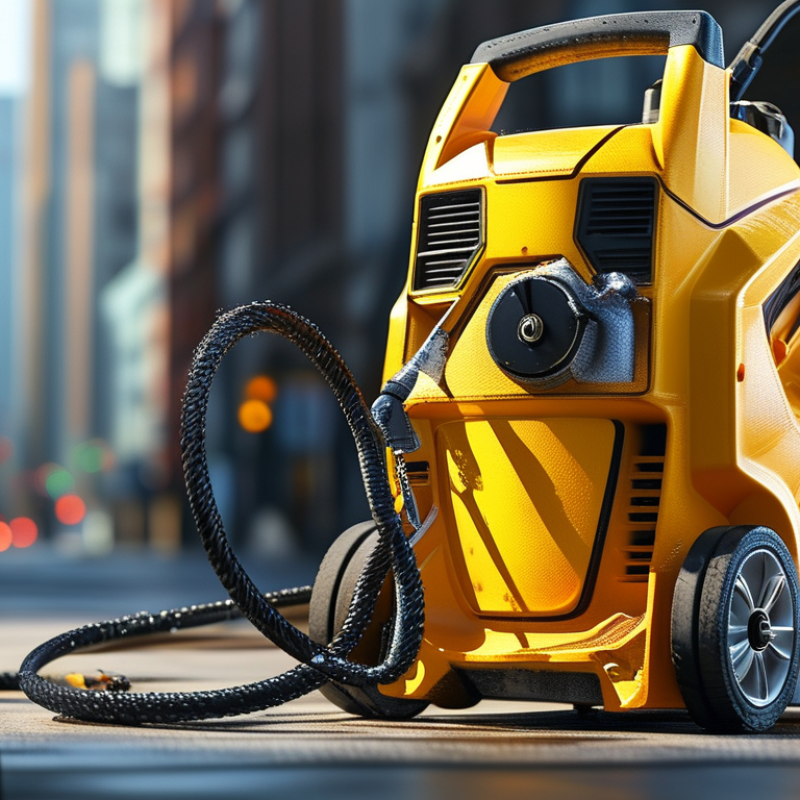
Common Causes of Pressure Loss in Pressure Washers
Pressure loss in pressure washers can stem from several common causes. A frequently overlooked issue is the water supply. If the hose is kinked or clogged, it limits water flow. This can reduce pressure output significantly. A study from the Pressure Washer Manufacturers Association indicates that adequate water supply is vital for optimal performance.
Another factor is the nozzle condition. A damaged or incorrectly sized nozzle can disrupt water flow and pressure. It is essential to inspect nozzles regularly. Old nozzles can wear out, creating a wider spray pattern and less effective pressure. In fact, consistent maintenance can enhance the lifespan of pressure washers, according to experts in the field.
In addition, check for air leaks in the pump or hoses. Even a small leak can compromise pressure. Understanding these common issues is crucial for effective troubleshooting. Regular checks can save time and prolong the equipment's efficiency. Many users delay these inspections, only to face greater problems later.
Identifying Leaks and Damage in Hoses and Seals
When a pressure washer loses pressure, one of the most common culprits is damaged hoses and seals. Over time, hoses can develop cracks or abrasions. These small imperfections allow water to escape before it reaches the nozzle. Even a pinhole leak can significantly reduce performance. Regularly inspecting your hoses for visible damage is crucial. Pay attention to any bulging or worn spots.
Seals are another critical area that needs examination. They can wear out and become brittle, especially if exposed to harsh conditions. This degradation can lead to pressure loss at connection points. Checking the seals is often overlooked, but it’s essential. Remove the nozzle and inspect the seal inside. A simple visual check can save you from bigger issues down the line.
Identifying these leaks requires vigilance. You might need to listen closely for hissing sounds while the washer is on. Sometimes, you can simply observe water pooling under the unit. Addressing these issues promptly can restore your washer’s performance. However, it’s also important to reflect on your usage habits. Are you storing the equipment properly? Neglect can worsen wear and tear. Regular maintenance can prolong the life of your equipment and prevent frustrating pressure loss.
Pressure Loss Reasons in Pressure Washers
Understanding Pump Issues Affecting Pressure Output
Pressure loss in a pressure washer often stems from pump issues. The pump is the heart of the machine, generating the necessary force to expel water at high pressure. If you notice a drop in performance, the pump may be struggling with internal wear. This can happen due to age or lack of maintenance. Check for leaks or damaged hoses, as these can also drastically reduce pressure.
Another common cause of pressure loss is a clogged filter. Debris can build up in the inlet filter, limiting water flow. Additionally, if the unloader valve malfunctions, it may not regulate pressure properly. Regularly inspect these components. Keeping them clean and well-maintained ensures optimal performance. A faulty pump can sometimes be repaired, but in other cases, replacement becomes necessary.
Always consult the manufacturer's guidelines for troubleshooting. Seek advice from professionals if you’re unsure. Addressing these issues promptly can save both time and money. While it's easy to overlook, maintaining your pressure washer's pump is crucial for consistent pressure output.
Examining Nozzle Blockages and Their Impact on Pressure
Nozzle blockages are a common issue that can lead to pressure loss in your pressure washer. When dirt, debris, or other obstructions build up in the nozzle, it restricts water flow. This causes the machine to struggle to maintain the desired pressure. Clogged nozzles can come from various sources, including dirt on surfaces being cleaned and contaminated water. Regular checks and cleaning of the nozzle are essential to keep your pressure washer running effectively.
Inspecting the nozzle is straightforward. Remove it from the wand and look for visible debris. Rinsing the nozzle with clean water can often dislodge blockages. If the nozzle remains clogged, use a fine wire to gently clear any stubborn residue.
Pay attention to the type of detergent used; some can leave residues that contribute to blockages. An unclean nozzle not only affects pressure but can also damage internal components over time.
It's important to reflect on your cleaning habits. Are you using the right techniques and equipment? Examining your routine can prevent recurring issues. A well-maintained nozzle will enhance the performance of your pressure washer, making your cleaning tasks easier and more efficient. Understanding these small details can make a significant difference.
Maintenance Tips to Prevent Pressure Loss in Pressure Washers
Pressure loss in pressure washers can be frustrating. Regular maintenance can help prevent this issue. Start by checking the water supply hose for kinks or leaks. Even small leaks can impact pressure significantly. Ensure the hose is securely connected to the water source.
Inspect the nozzle for clogs. A blocked nozzle reduces water flow and pressure. Clean it regularly to maintain optimal performance. Additionally, examine the filters. They can collect debris over time, restricting water flow. Replacing or cleaning them frequently is a good practice.
Lastly, check the pump oil level. Low oil can lead to inadequate pressure and damage the unit. Always use the recommended oil type and follow the guidelines for maintenance. These steps can minimize the chances of losing pressure during your washing tasks.
Why Does My Pressure Washer Keep Losing Pressure Solutions? - Maintenance Tips to Prevent Pressure Loss in Pressure Washers
| Issue |
Possible Cause |
Solution |
Maintenance Tip |
| Loss of Pressure |
Clogged Nozzle |
Clean or replace the nozzle. |
Regularly check and clean the nozzle. |
| Inconsistent Water Flow |
Faulty Hose |
Inspect and replace any damaged hoses. |
Inspect hoses for wear before each use. |
| Loss of Pressure During Use |
Air Leaks in the System |
Check and tighten all connections. |
Check for leaks monthly and tighten fittings. |
| Pressure Drops Suddenly |
Worn Pump Seals |
Replace worn seals in the pump. |
Inspect pump seals regularly for wear. |
| No Pressure |
Blocked Filter |
Clean or replace the water filter. |
Check filter condition every few months. |
FAQS
: Pressure loss can be caused by a kinked hose. Clogs in the hose also limit water flow.
A damaged or incorrectly sized nozzle disrupts water flow. This can result in lower pressure output.
Even a small air leak can reduce pressure. Regular checks help maintain proper equipment performance.
Regular inspections are vital. Delaying checks may lead to bigger issues later on.
Check the water supply hose and look for kinks. Inspect the nozzle and clean filters often.
Low pump oil can cause inadequate pressure. Always follow the maintenance guidelines for your unit.
Clogged nozzles reduce water flow. This impacts pressure and makes the washer less effective.
A secure connection prevents leaks. Even small leaks can significantly impact washing pressure.
Filters collect debris, which restricts water flow. Clean or replace them regularly to ensure optimal pressure.
Conclusion
If you're wondering "why does my pressure washer keep losing pressure," there are several common factors to consider. One of the primary causes of pressure loss can be leaks or damage in hoses and seals, which can lead to a significant drop in pressure. Additionally, issues with the pump, such as wear and tear or insufficient maintenance, can severely affect the overall pressure output of the machine.
Another critical aspect to examine is the condition of the nozzle. Blockages in the nozzle can impede water flow, directly impacting the pressure produced during operation. To prevent these problems, regular maintenance is essential, including checking hoses for leaks, ensuring seals are intact, and cleaning nozzles. By addressing these issues, you can enhance the performance of your pressure washer and reduce the likelihood of experiencing pressure loss in the future.

 Pargo Tool