When dealing with air compressors, a common question arises: "why does my air compressor tank drain water?" According to renowned industry expert Dr. Jane Peterson, “Moisture buildup is a natural part of air compression, and understanding it is key.” Many users underestimate the impact of humidity on their equipment.
Water accumulation in the tank can lead to severe issues. It can cause rust, damage internal components, and reduce efficiency. Regularly checking the tank for drainage is essential, yet many overlook this step. Often, this oversight leads to bigger problems down the line.
Understanding why water collects is vital. It stems from the compressed air process where moisture condenses. This accumulation isn't just a minor annoyance; it jeopardizes the air compressor’s longevity. Therefore, knowing the answer to the question is paramount for anyone relying on this equipment for daily tasks. Adopting preventative measures now can save you from costly repairs later.
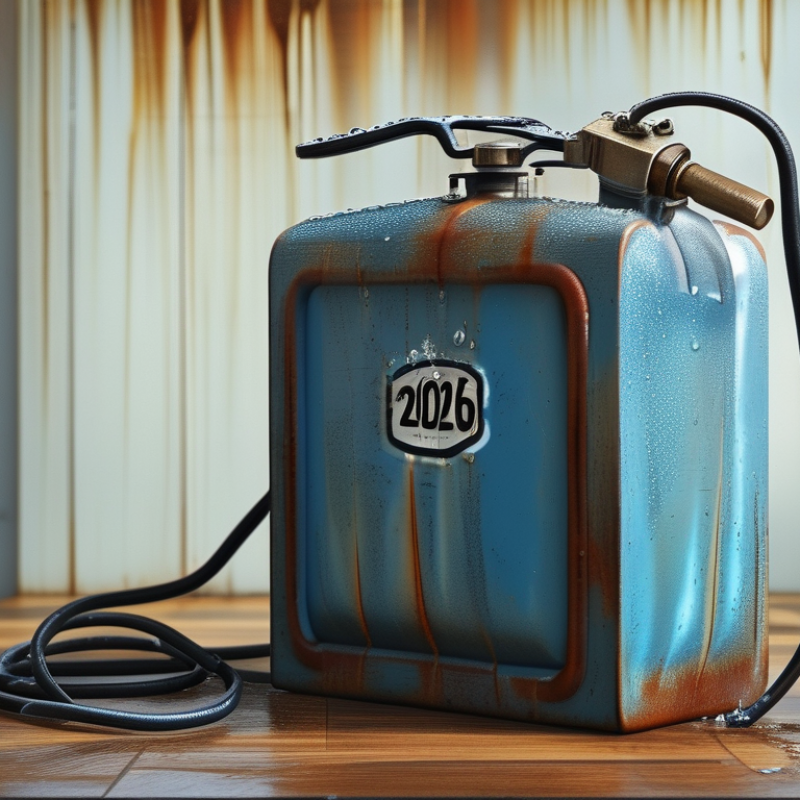
Understanding water accumulation in air compressor tanks is crucial for efficient operation. Air compressors draw in moisture from the surrounding air. This moisture condenses inside the tank, leading to potential issues. If not managed, excess water can rust the tank and damage internal components. Regular maintenance can help mitigate these risks.
To prevent water buildup, consider installing a moisture separator. This device helps trap moisture before it enters the tank. Draining the tank regularly is also vital. It may seem tedious, but doing this every use is beneficial. Some compressors come with automatic drains, which can save effort. However, a manual check is often necessary.
Observing the environment where the compressor operates can provide insights. High humidity areas will naturally lead to more condensation. Adjusting the compressor's settings may help relieve some pressure. If problems persist, consulting an expert for tailored advice can be invaluable. Balancing efficiency with maintenance will ultimately prolong the lifespan of your air compressor.
| Cause of Water Accumulation | Description | Preventive Measures |
|---|---|---|
| Humidity in Air | Moisture from the air can condense in the tank. | Use a dryer or filter to reduce humidity. |
| Temperature Changes | Rapid temperature fluctuations can cause condensation. | Insulate the tank and maintain a stable environment. |
| Inadequate Drainage | Water may not be drained properly from the tank. | Regularly drain the tank and check the drainage valve. |
| Usage Patterns | Frequent short bursts of operation can lead to less evaporation. | Use the compressor for longer periods to evaporate moisture. |
| Poor Maintenance | Lack of regular checks can lead to moisture buildup. | Implement a routine maintenance schedule for your compressor. |
: Moisture in the surrounding air condenses inside the tank during operation.
High humidity levels can lead to increased moisture, resulting in potential rust and corrosion in the tank.
If you notice rust or decreased performance, excessive moisture may be the issue.
It’s best to drain the tank after each use to reduce water accumulation effectively.
A moisture separator traps moisture before it enters the tank, helping prevent water buildup.
Not all compressors are equipped for an automatic drain valve, so check specifications first.
Regularly verify that the drain valve is clean and free of clogs to ensure smooth operation.
Consult an expert for tailored advice if you continue to have issues despite regular care.
High temperatures can exacerbate moisture in the air, increasing the likelihood of water buildup.
Regular inspections and monitoring humidity levels in the workspace can help maintain efficiency.
In understanding why does my air compressor tank drain water, it's essential to recognize the factors contributing to water accumulation in the tank. Moisture can build up due to humidity in the air, poor ventilation, and the operating temperatures of the compressor. Common causes include condensation from compressed air, which leads to unwanted drainage and potential damage.
To effectively prevent water build-up in air tanks, one should implement routine maintenance, such as regular drainage of the tank, the use of filters and dryers, and ensuring proper placement and insulation of the compressor. Additionally, choosing the right air compressor designed for optimal moisture control can significantly reduce the risk of excess water accumulation. By following these practices, users can minimize water issues and enhance the longevity of their air compressors.

 Pargo Tool