Using a circular saw can be daunting for beginners. However, with the right knowledge and safety practices, it becomes manageable. According to Mark Smith, a woodworking expert, “Understanding how to safely use a circular saw for beginners is essential for any wood project.”
Beginners should prioritize safety above all else. Wearing appropriate personal protective equipment, like goggles and gloves, is crucial. It's also vital to understand the saw’s components and how they operate. Start by familiarizing yourself with the blade and its settings. Practicing on scrap wood helps build confidence.
Many beginners underestimate the importance of a stable work surface. A secure setup prevents accidents and enhances cutting accuracy. Always double-check your measurements before cutting. Taking the time to measure can save you from costly mistakes. Reflect on your process and identify areas for improvement. Learning from these experiences is key to becoming proficient with a circular saw.
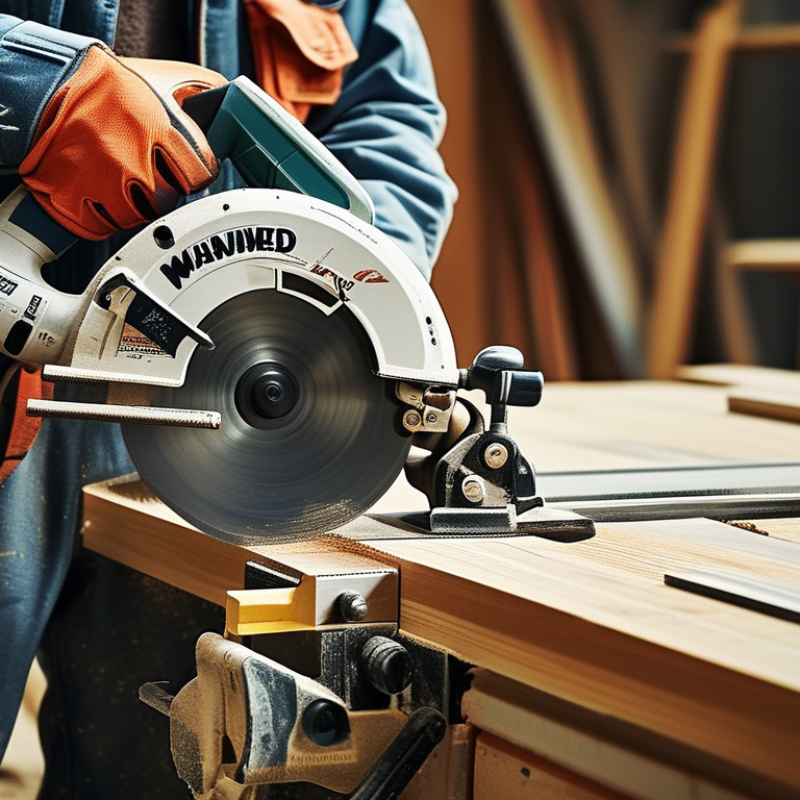
A circular saw is a powerful tool widely used in woodworking and construction. Understanding its basic components is crucial for safe usage. The main parts include the blade, motor, base plate, and safety guard. Each component plays a vital role in the saw's performance and user safety. According to the Occupational Safety and Health Administration (OSHA), nearly 40% of hand tool injuries involve saws, making it imperative to know these basics.
The blade is the most critical part. It comes in various sizes and tooth configurations for diverse cutting tasks. For example, a blade with fewer teeth cuts faster but leaves a rough finish. A blade with more teeth provides a smoother cut but requires more power. Safety features like the guard and electric brake are essential. They prevent accidental injuries, yet many users overlook them. A study by the National Safety Council found that improper tool handling contributes to 80% of worksite injuries.
Users must also be aware of the saw's weight and balance. A heavier saw may feel stable but can lead to fatigue over time. Proper grip and stance are crucial for control. Beginners should practice on scrap materials to gain confidence. Many new users rush into tasks without familiarizing themselves with their tool, leading to mistakes. Understanding your equipment fosters a safer working environment. The goal is to cut with precision and minimize risk.
When using a circular saw, proper safety gear is essential. Start with a sturdy pair of safety goggles to protect your eyes from flying debris. Hearing protection is equally important, as circular saws can produce loud noise levels. A dust mask can help filter out harmful sawdust.
Always wear gloves designed for woodworking. These can improve your grip on the saw, allowing for precise cuts. However, avoid loose-fitting gloves that can get caught in the blade. Steel-toed boots are also a wise choice, protecting your feet from heavy materials and accidental drops.
Before you start cutting, inspect your equipment. Ensure that the saw blade is sharp and properly installed. A dull blade can lead to kickback or uneven cuts. Adjust the saw's depth for the material you are cutting. This helps prevent binding and reduces the risk of accidents. Always cut on a stable surface, ensuring that your workspace is clear of any obstacles. These small precautions can make a big difference in your safety.
| Safety Gear | Description |
|---|---|
| Safety Glasses | Protects eyes from debris and dust. |
| Ear Protection | Reduces noise exposure while cutting. |
| Dust Mask | Prevents inhalation of wood dust. |
| Gloves | Protects hands from sharp edges. |
| Hard Hat | Protects head from falling objects. |
Setting up your circular saw correctly is crucial for safe and effective use. Start by choosing a stable work surface. Ensure you have ample space around you and remove any obstacles. Safety glasses should be worn to protect your eyes from debris. Once your area is prepared, it's time to focus on the saw itself.
Adjust the blade depth for the material you are working with. The blade should extend only about a quarter-inch below the material. This minimizes kickback and ensures a cleaner cut. It's also important to check the blade alignment. A misaligned blade can lead to uneven cuts and potential accidents. Lastly, make sure to plug in the saw only when you're ready to use it, keeping your hands clear of the blade.
Before cutting, always double-check your measurements. Measure twice to avoid costly mistakes. Focus on your grip; a secure hold will provide better control. Even small distractions can lead to error. Think about how to position yourself to optimize visibility and safety. An improper stance can quickly become a hazard. Stay mindful as you work, and take breaks if needed to maintain concentration.
Using a circular saw safely requires attention to proper techniques and safety measures. Start by checking your workspace. Ensure that it's clean and organized. Remove any obstacles that might lead to accidents. A cluttered area can distract you and increase the risk of errors.
When making your cuts, always use a stable surface. Clamping your materials down can prevent movement. This reduces the chances of the saw binding or kicking back. It’s essential to focus on your cutting line. The saw can wander if you’re not steady. If you notice any unusual vibrations or noises, stop immediately. Inspect the tool for any issues.
Wear appropriate personal protective equipment. Safety goggles protect your eyes from flying debris. Ear protection is also a smart choice due to noise from the saw. It’s tempting to rush through projects, but patience is key. Take your time to ensure precision and safety. Reflect on each cut you make. Consider how you can improve your technique as you gain experience.
Using a circular saw can be daunting for beginners. Awareness of common mistakes can lead to safer practices. One major mistake is neglecting to wear protective gear. According to the Occupational Safety and Health Administration (OSHA), eye injuries account for 30% of all eye injuries in the workplace. Failing to wear safety glasses can expose users to serious risks.
Another common error is using a dull blade. A report by the Woodworking Machinery Industry Association suggests that a dull blade increases the risk of kickback. Kickback can cause the saw to lurch unexpectedly, heightening the potential for accidents. Ensuring a sharp, clean blade can enhance precision and reduce the risk of injury.
Inadequate attention to the cutting area is also a frequent oversight. Users often forget to clear the workspace of obstacles. The American National Standards Institute (ANSI) emphasizes that a cluttered environment can lead to distractions and accidents. Maintaining a tidy workspace is crucial for focus and safety. Reflecting on these mistakes can improve overall woodworking practices.
: Ensure your workspace is clean and organized. Remove obstacles to prevent accidents.
A stable surface helps prevent material movement. Clamping materials can reduce kickback risks.
Stop immediately and inspect the tool. Unusual signs indicate potential issues.
Wear safety goggles to protect your eyes. Consider ear protection for noise.
Reflect on each cut and think about improvements. Patience in practice enhances precision.
One mistake is neglecting to wear safety gear. This can lead to serious injuries.
A dull blade increases kickback risk. It makes cutting less precise and more dangerous.
A cluttered area can distract you. It increases the likelihood of accidents occurring.
Rushing can lead to mistakes and injuries. Take your time for safe, accurate cuts.
In the article, "Top Tips for Beginners on How to Safely Use a Circular Saw," readers are guided through the fundamental aspects of circular saws, focusing on their components and operation. The piece emphasizes the importance of essential safety gear, such as goggles and gloves, to protect users while handling the saw. It provides step-by-step instructions on setting up the saw correctly, ensuring optimal performance and safety.
Moreover, the article outlines various cutting techniques to enhance safety during use, highlighting common mistakes that beginners often make. By following these guidelines, individuals will learn how to safely use a circular saw for beginners, making their woodworking tasks not only efficient but also risk-free. Overall, the content serves as a comprehensive resource for novice users to develop confidence and competence in utilizing this powerful tool responsibly.

Pargo Tool