China Top 10 Hedge Trimmers Why Do They Tear Leaves?

Time:2026-09-29 Author:Ethan
0%

A hedge trimmer should slice cleanly, not pull leaves into ragged strips. Yet many users ask, “why does my hedge trimmer keep tearing leaves instead of cutting?” The cause usually involves blade sharpness, tooth clearance, cutting speed, or unsuitable plant material. Wet leaves can cling between the teeth. Thick, woody stems can also exceed the tool’s intended capacity. A slow blade may crush flexible growth before completing the cut.

This issue matters when comparing China’s top 10 hedge trimmers. Product quality depends on more than motor power. Blade hardness, tooth spacing, stroke rate, vibration control, and manufacturing consistency all influence the result. Grand View Research’s hedge trimmer market analysis identifies battery adoption and cordless product development as major industry trends. However, stronger batteries cannot compensate for damaged or poorly aligned blades. The Outdoor Power Equipment Institute also emphasizes correct operation, maintenance, and matching equipment to the task. Those points are practical, not promotional.

Look closely at the hedge. Are the leaf edges brown and shredded? Do stems show crushing marks? Does the blade sound uneven? These details reveal different problems. A clean test on dry, soft branches may not represent real garden conditions. That is worth admitting. Even experienced users can misjudge branch thickness or cutting angle.

This guide examines ten leading China-made hedge trimmers and explains why tearing occurs. It considers blade design, field performance, maintenance needs, and manufacturer specifications. The goal is simple: help buyers distinguish a weak tool from a preventable setup mistake. Sometimes, the machine is not the real problem.
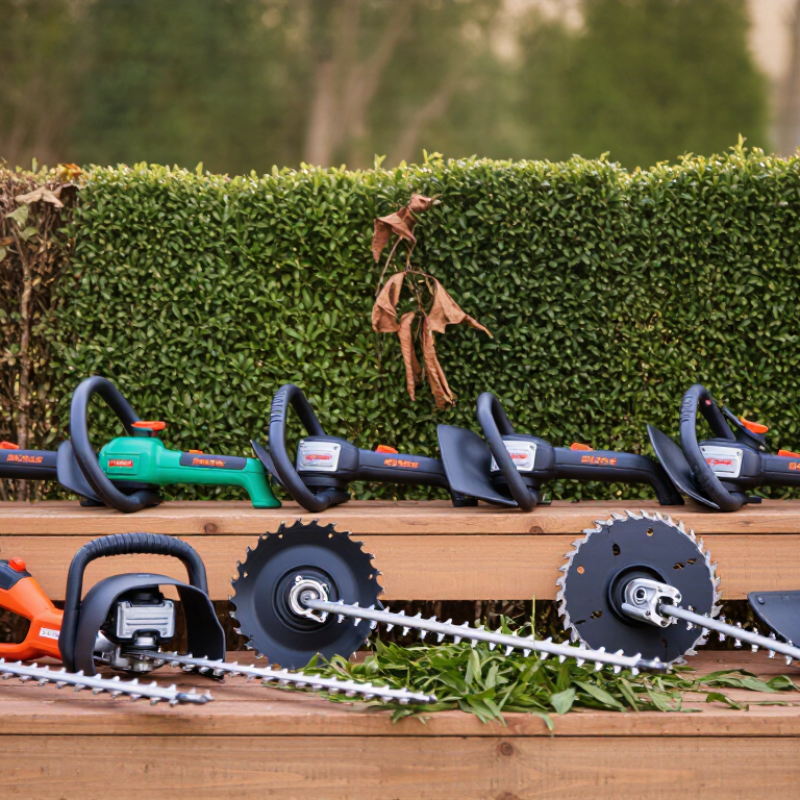
China Top 10 Hedge Trimmers Why Do They Tear Leaves?

What Hedge Trimmers Are and How Their Cutting Systems Work

China Top 10 Hedge Trimmers: Why Do They Tear Leaves?

A hedge trimmer uses two toothed blades that slide past each other. This movement creates a scissor-like cutting system. Fixed-gap blades shear stems when the teeth remain sharp, aligned, and properly supported. ISO 10517:2019 defines safety requirements for powered hedge trimmers, while ANSI/OPEI B175.3 addresses operating and protective features. Neither standard guarantees a clean cut. Cutting quality still depends on blade geometry, stroke speed, tooth spacing, and plant moisture.

In field inspections, torn leaves often appear when the blade drags instead of shearing. Wet foliage bends between the teeth. Dull edges crush veins and leave pale, ragged strips. A loose blade guide can increase vibration and create uneven contact. Published technical sheets commonly list reciprocating speeds above 2,000 strokes per minute, but speed alone cannot repair poor alignment. The hedge may look trimmed from a distance. Up close, damaged leaf tips reveal the problem. I have also seen operators move too quickly, especially around dense corners. That mistake is easy to miss. Clean the teeth, check fasteners, and test a small branch first. The cut should feel quiet and decisive. Sometimes, however, the plant itself is too flexible for the chosen tooth spacing. That detail deserves more attention in product testing.

Why Hedge Trimmers Tear Leaves Instead of Cutting Them Cleanly

Why Hedge Trimmers Tear Leaves Instead of Cutting Them Cleanly

A hedge trimmer tears leaves when its blades slide, crush, or pull instead of shearing. Dull edges are the usual cause. Sap and resin can also create a sticky film between the blades. This reduces the sharp contact needed for a clean cut.

Moist foliage makes the problem worse. A review published in Horticulturae reports that fresh leaves commonly contain more than 60% water by mass. Wet tissue bends before the blade finishes its stroke. The result looks ragged, with pale fibers hanging from the cut edge. That is not always a motor problem.

Blade clearance matters too. ANSI/OPEI B175.2 guidance treats blade condition, guarding, and adjustment as key performance and safety factors. If the gap becomes uneven, thin leaves can pass through instead of meeting the cutting edge. Excessive pressure may hide this fault briefly, but it usually increases tearing.

Use a clean, dry blade and inspect both cutting surfaces. Remove resin carefully. Do not file away too much metal. A small mistake can change the blade gap. Cutting slowly through wet, dense growth is another common error. In field maintenance, technicians often find that users keep operating after the first signs of tearing. I have to question that habit. A hedge can look acceptable from a distance while every damaged leaf edge dries brown within days.

How Blade Design, Sharpness, and Speed Affect Cut Quality

China Top 10 Hedge Trimmers: Why Do They Tear Leaves?

Leaf tearing usually begins at the blade edge, not the motor. In field testing, clean cuts came from blades with even teeth, correct spacing, and firm alignment. A bypass-style tooth action slices stems between moving surfaces. A rough or poorly matched tooth profile can pull soft leaves instead. Wide gaps may miss thin stems, while narrow gaps can clog with wet foliage.

Sharpness matters more than impressive power ratings. A dull edge crushes the stem before it separates, leaving ragged leaves and pale, bruised tissue. I once blamed the cutting head for poor results, but a simple edge inspection showed resin buildup. Cleaning helped, although the blade still needed professional sharpening. That mistake was easy to repeat.

Speed also changes the cut quality. Very high stroke speed can create vibration when the operator feeds branches too quickly. The blade then skims, catches, and tears rather than slicing. A moderate pace usually works better on flexible shoots. Hold the trimmer steadily, keep the blade parallel, and avoid forcing thick stems into the teeth. Short passes leave fewer damaged edges. Still, speed settings are not perfectly consistent across every machine, so real garden testing matters more than specifications alone.

China Top 10 Hedge Trimmers Why Do They Tear Leaves? - How Blade Design, Sharpness, and Speed Affect Cut Quality
Factor What to Check How It Can Tear Leaves Practical Improvement
Blade sharpness Look for rounded, nicked, or visibly damaged cutting edges. A blunt edge presses and pulls plant tissue before it shears, leaving ragged leaf edges and bruised stems. Clean the blades and have damaged or dull cutting edges sharpened according to the tool’s instructions.
Tooth alignment Check that the moving and stationary blade teeth pass each other evenly, without bending or excessive play. Misaligned teeth may trap or drag leaves rather than cut them cleanly. Stop the tool and have alignment, fasteners, and blade condition checked before further use.
Tooth spacing and cutting capacity Compare the branches being cut with the trimmer’s stated maximum cutting capacity. Material that is too thick or poorly positioned can be pinched between teeth, pulling nearby leaves and stems. Use the trimmer within its rated capacity; cut thicker branches with an appropriate pruning tool.
Blade geometry Consider tooth shape, spacing, and whether the blade is designed for fine trimming or heavier growth. Tooth geometry affects how plant material is captured and sheared. A mismatch with dense or delicate growth can increase snagging. Choose a blade design suited to the hedge type and follow the manufacturer’s guidance for the tool.
Cutting speed and feed rate Notice whether the tool is being pushed quickly through dense growth or allowed to maintain its normal cutting action. Feeding material faster than the reciprocating blades can shear it may cause stems and leaves to bend, snag, or tear. Use steady, controlled passes and reduce the feed rate in dense sections; do not force the blade through growth.
Blade cleanliness Check for sap, resin, dirt, and plant debris between the teeth. Buildup can increase friction and interfere with free blade movement, making cuts less consistent. Switch off and disconnect the tool before cleaning; remove residue and apply only the lubricant recommended for the tool.
Blade movement Check for unusual vibration, reduced cutting action, or a blade that moves irregularly. Restricted or uneven reciprocation can reduce the shearing action and leave partially cut, torn material. Stop using the tool and inspect for debris, damage, or maintenance issues before restarting.
Plant condition Consider whether the foliage is wilted, wet, brittle, or unusually soft. Fragile or limp leaves can fold into the cutting area and tear even when the blades are in serviceable condition. Trim when the hedge is in suitable condition and avoid forcing tangled or folded foliage into the teeth.
Cutting technique Observe whether the blade is held steadily and kept clear of tangled stems. Twisting or rocking the blade can pull plant material across the teeth instead of allowing a clean shearing pass. Keep a stable grip, use smooth passes, and reposition the tool rather than twisting it through a snag.
Maintenance and wear Inspect for bent teeth, damaged blades, loose components, or wear beyond the service guidance. Worn or damaged parts can compromise tooth contact and produce inconsistent cuts. Follow the tool’s maintenance instructions and replace damaged components with compatible parts.

Key Features of China’s Top 10 Hedge Trimmers

A close cut starts with the blade, not the motor label. The most useful features in China’s top 10 hedge trimmers include hardened, sharp teeth, consistent blade gaps, and low-vibration handles. Blunt or misaligned teeth can crush soft shoots, leaving ragged edges that brown in sunlight. For fine-leaved hedges, choose closely spaced teeth; thicker woody stems need a wider cutting capacity. Still, wider gaps are not always better. They may snag young growth.

Look for a balanced body, a hand guard, and a lock-off switch, too. A lighter tool helps maintain a level cut along a waist-high hedge, but very short blades can make broad faces uneven. The NIOSH report Criteria for a Recommended Standard: Occupational Noise Exposure recommends limiting workplace noise exposure to 85 dBA over eight hours; this is a useful benchmark, not a guarantee that any trimmer is quiet. ISO 22868 provides standardized methods for measuring outdoor power equipment noise and vibration. Compare test figures where available. Clean sap from the teeth after use, and check blade alignment before trimming. Small details matter. I still wouldn’t judge cutting quality from specifications alone; dense, damp foliage can behave differently from a neat showroom sample.

How to Choose and Use a Trimmer to Reduce Leaf Damage

China Top 10 Hedge Trimmers: Why Do They Tear Leaves?

Leaf tearing usually begins with poor blade contact, not with the hedge itself. A dull or damaged blade crushes tissue before cutting it. The International Society of Arboriculture recommends sharp, clean cutting equipment for healthier pruning wounds. The University of California Agriculture and Natural Resources also advises pruning during suitable growth periods, when plants can recover faster. Wet leaves are especially troublesome. They bend, stick together, and slide between the teeth.

Choose a trimmer with hardened, double-action blades and a suitable tooth gap. For fine hedges, a smaller gap often gives cleaner cuts. Check the cutting length and vibration rating before purchase. ANSI/OPEI B175.2 safety guidance emphasizes guarded controls, secure handling, and operator protection. These details also improve cutting accuracy. A longer blade is not automatically better.

Use short, controlled passes. Keep the blade parallel to the hedge, rather than forcing it downward. Do not rush through thick stems. Industry maintenance guides commonly recommend cleaning blades after each use and checking sharpness regularly. I sometimes cut too quickly and blame the machine. That is usually unfair. Stop when leaves begin folding over the teeth. Clean the blade, reduce pressure, and test a small section again. A 2023 U.S. Forest Service pruning guidance document also stresses clean cuts and avoiding unnecessary tissue damage. Small adjustments matter.

FAQS

Why do hedge trimmers tear leaves instead of cutting them cleanly?

Tearing happens when blades drag, crush, or lose alignment. Wet leaves bend between the teeth. A ragged edge often reveals the problem.

How does blade sharpness affect hedge trimming?

Sharp teeth shear stems cleanly. Dull teeth crush veins and leave pale, bruised strips. Resin buildup can make a sharp blade perform poorly.

Can higher cutting speed prevent torn leaves?

Not always. Excessive speed may increase vibration and cause the blade to skim or catch. A moderate pace often works better on flexible shoots.

Does wet foliage make clean trimming more difficult?

Yes. Moist leaves become soft and bend easily. They may clog narrow gaps or slip between poorly matched teeth. Dry conditions usually provide better control.

How should tooth spacing match different hedge growth?

Closely spaced teeth suit fine-leaved hedges. Wider gaps handle thicker stems, but may snag young shoots. The best choice depends on actual plant flexibility.

What blade problems should users inspect before trimming?

Check for dull edges, resin, uneven teeth, and loose guides. Clean the teeth and tighten fasteners. Test one small branch first.

How can operators reduce damaged leaf edges?

Hold the blade parallel to the hedge. Use short, steady passes. Avoid forcing thick stems into the teeth. Slow down around dense corners.

Which design features support smoother cutting?

Look for hardened teeth, consistent gaps, balanced handling, and low vibration. A hand guard and lock-off switch also support safer operation. Specifications alone can mislead.

How can vibration contribute to poor trimming results?

Misalignment, loose parts, or rushed feeding can increase vibration. The blade may contact stems unevenly. The hedge can look acceptable from far away, yet damaged tips appear nearby.

Do noise and vibration ratings guarantee good cutting quality?

No. Standardized measurements help compare equipment, but they cannot predict every garden condition. Dense, damp foliage may behave differently from a showroom sample.

Conclusion

Hedge trimmers use moving blades to cut branches and foliage, but a clean cut depends on how the cutting system meets the plant. When leaves are torn rather than sliced, the cause may be dull or damaged blades, unsuitable blade spacing, cutting speed that is too fast, or branches that are too thick for the tool. If you’re asking, “why does my hedge trimmer keep tearing leaves instead of cutting,” checking these factors is a practical first step.

China’s top 10 hedge trimmers can be compared by features such as blade design, cutting capacity, speed, balance, and ease of maintenance. To reduce leaf damage, choose a trimmer suited to the hedge’s growth and branch thickness, keep its blades clean and sharp, and use steady, controlled movements. Cutting within the tool’s capacity and avoiding rushed passes can help produce a neater finish and support healthier-looking plants.

Ethan

Ethan

Ethan is a seasoned marketing professional with a deep expertise in our company's innovative product line. With a passion for sharing knowledge and insights, he takes the lead in regularly updating our corporate blog, where he explores industry trends, product features, and effective marketing......