Explore our premium range of industrial equipment, precision accessories, and operator protection gear designed to optimize manufacturing performance.
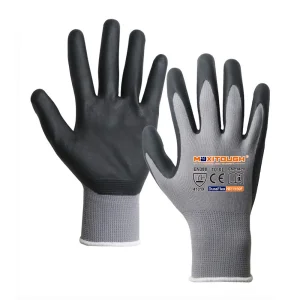
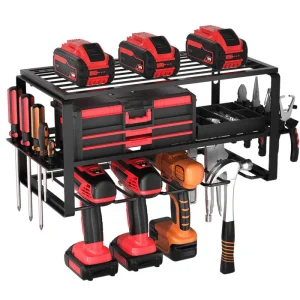
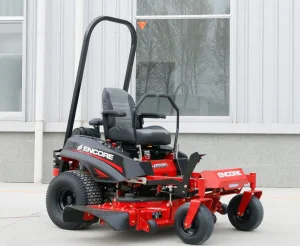
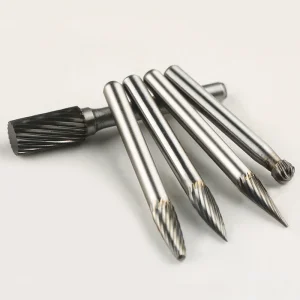
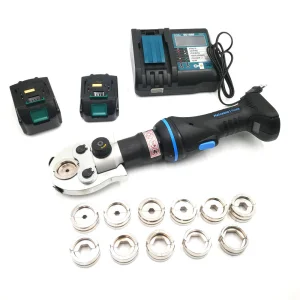
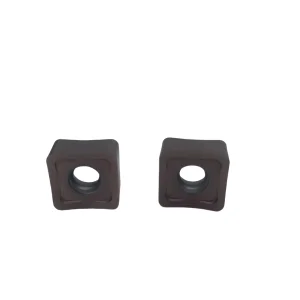
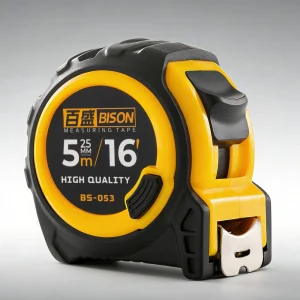
In the high-stakes sectors of international construction, manufacturing, and heavy metal fabrication, the integrity of structural interfaces rests upon the quality of the thermal fusion process. Zhejiang Pargo Tool Co., Ltd. emerged in 2023 as a modern hardware and industrial tool powerhouse. However, our technical foundation is anchored in nearly 15 years of exhaustive industry experience accumulated by our founding team. Across product design, automated engineering, rigorous quality assurance, and global supply chain operations, Pargo integrates legacy knowledge with advanced system designs.
Our commitment to excellence has driven the creation of a massive, multi-tiered industrial hardware portfolio spanning over 10,000 active SKUs. From advanced structural machinery down to manual woodworking clamps and protective site accessories, we provide global procurement agents, OEM/ODM distributors, and project engineers with a unified manufacturing gateway. Guided by the core tenets of quality-first manufacturing and sustainable, long-term trade relations, Pargo continues to deploy advanced raw material sourcing channels and precision tooling protocols to support structural operators worldwide.
By structuring our manufacturing pipelines on transparent engineering steps, we ensure every machine, tool accessory, and protective component exceeds key regulatory baselines. We focus on decreasing production downtime and boosting thermal cycle efficiencies.
A comprehensive analysis of structural manufacturing, infrastructure development, and automated engineering trends shaping modern procurement pipelines.
The global welding equipment market represents a cornerstone segment within structural engineering, driving progress in transport systems, automotive vehicle development, energy generation, marine construction, and aerospace frameworks. Modern industrial applications demand high duty cycles, precise thermal control, and minimal down-time. Traditional manual arc methods have evolved into highly automated, micro-processor-driven systems. Inverter technologies, specifically Insulated Gate Bipolar Transistors (IGBT), have revolutionized equipment design by reducing footprint, lowering power draw, and refining weld pool characteristics.
From a procurement perspective, global operators are shifting away from standalone machinery toward integrated welding ecosystems. Systems must withstand extreme environmental conditions—ranging from high-humidity marine shipyards to dust-heavy offshore oil rigs. Consequently, thermal management, robust chassis designs, and advanced circuit protection are no longer premium upgrades; they are fundamental operational requirements.
China's industrial zones, particularly within Zhejiang and surrounding manufacturing hubs, provide unparalleled strategic advantages for heavy machinery fabrication. The core efficiency of these regions is not merely low labor costs, but the massive density of the industrial supply chain. Within a 50-kilometer radius of our production centers, we access specialized raw steel mills, advanced semiconductor foundries, copper winding experts, and specialized testing facilities. This proximity minimizes logistics lag, speeds up product refinement loops, and allows us to scale volume without losing quality control.
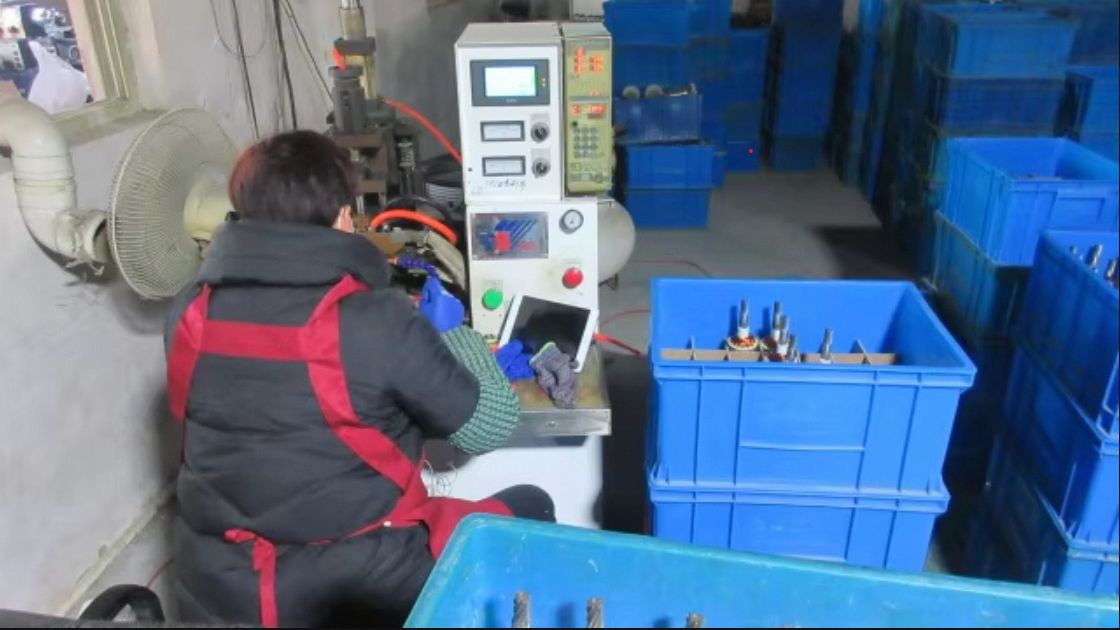
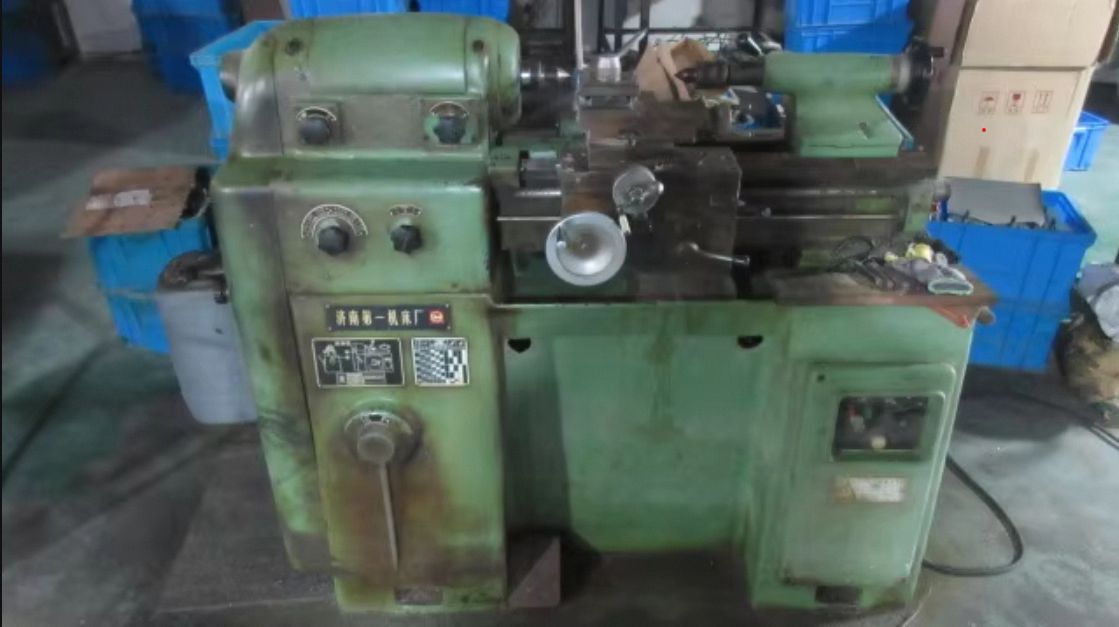
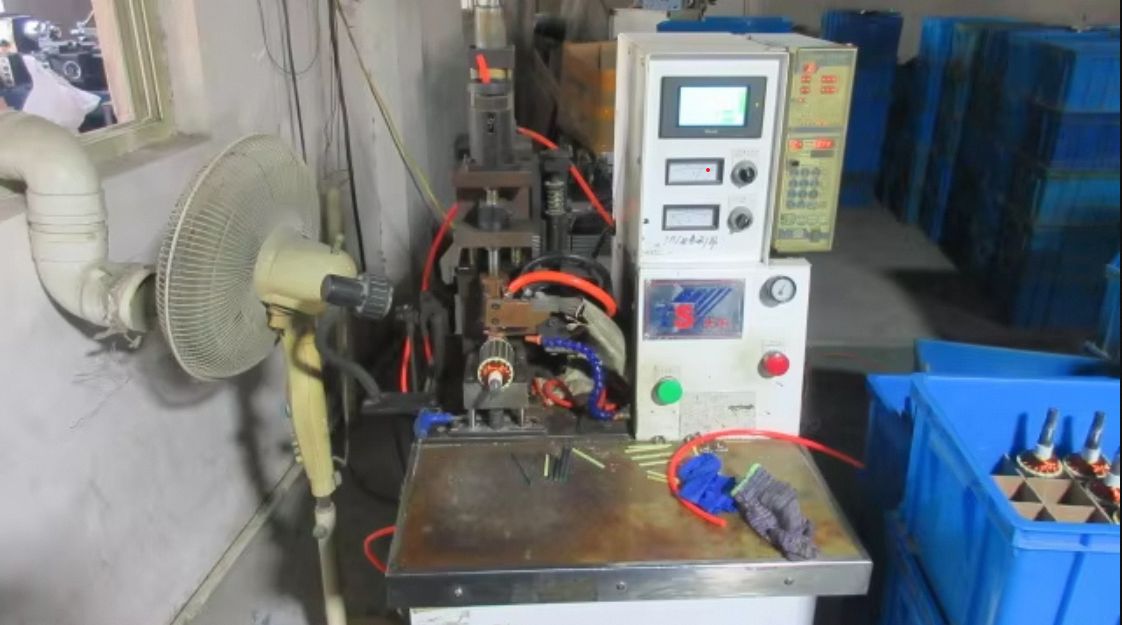
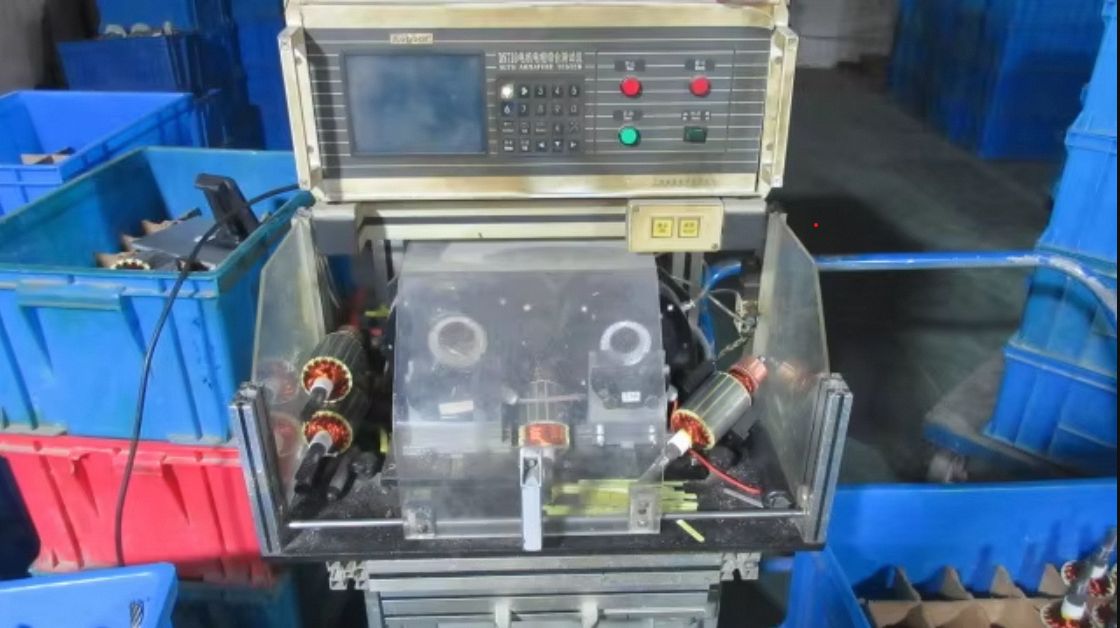
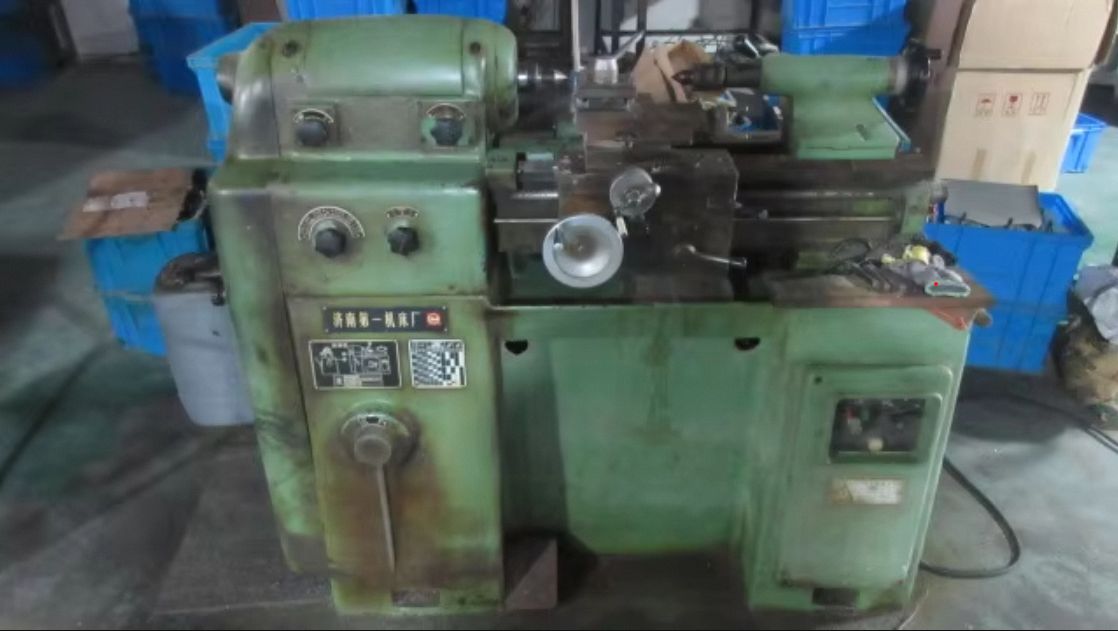
Additionally, modern Chinese manufacturing has fully embraced automated production technologies. The integration of CNC precision tooling, automated wire wrapping machines, and robotized spot-welding terminals guarantees that structural components achieve mechanical consistency that manual assembly cannot replicate. This high level of process control ensures that every batch meets the strict mechanical thresholds expected by North American and European importers.
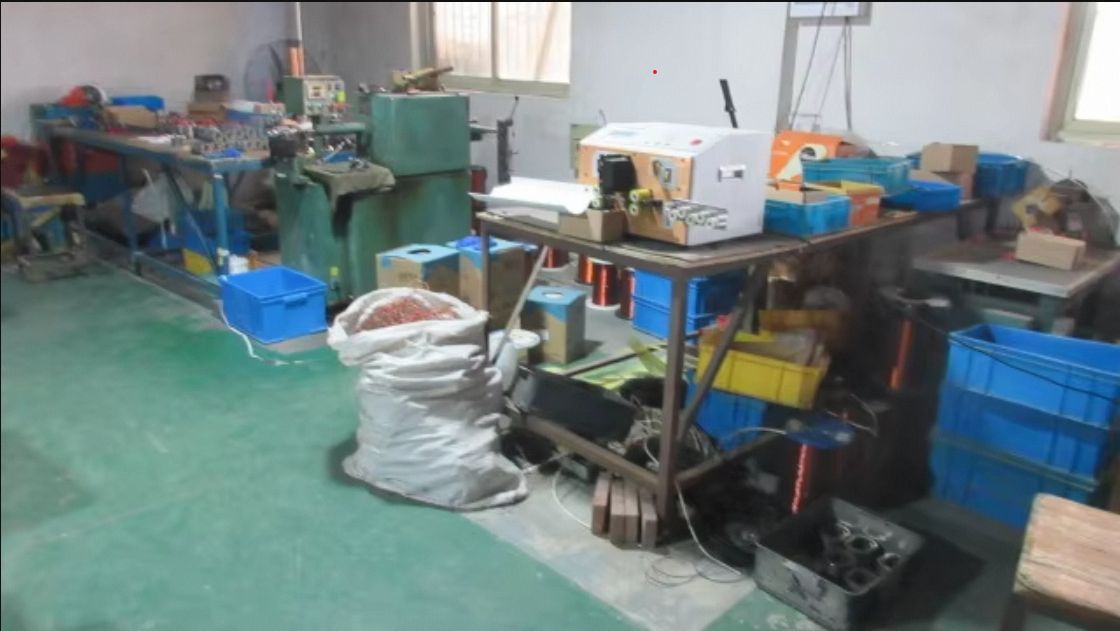
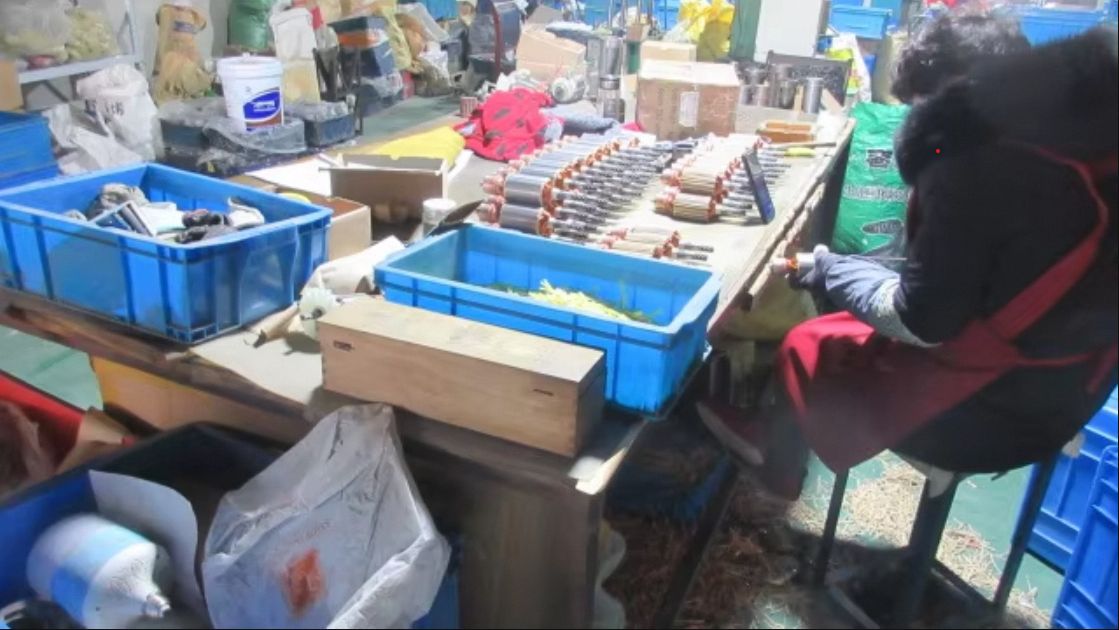
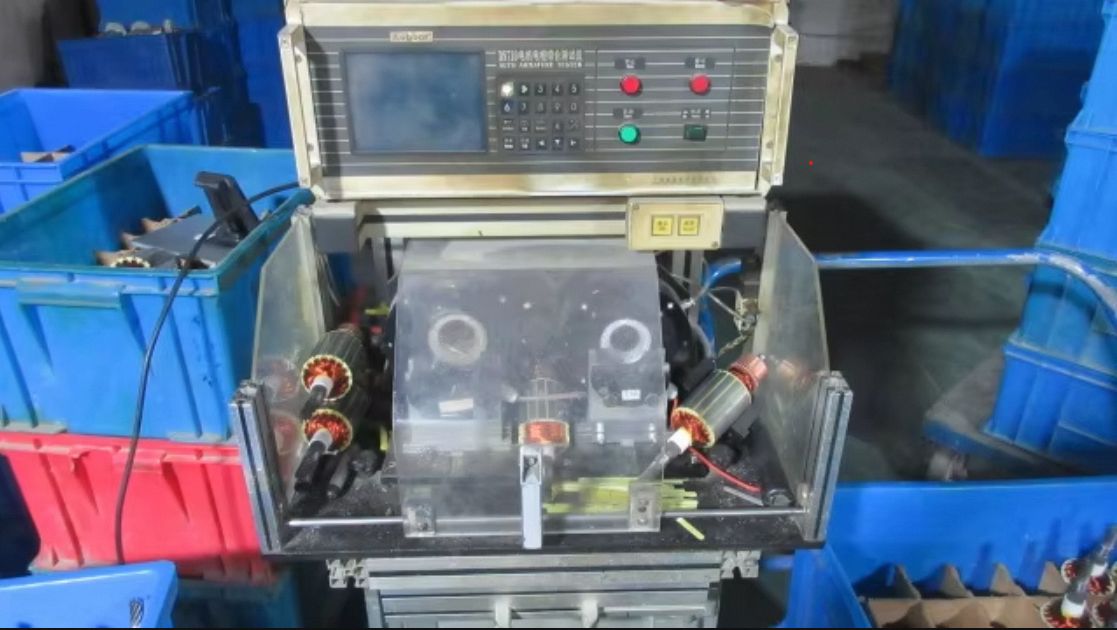
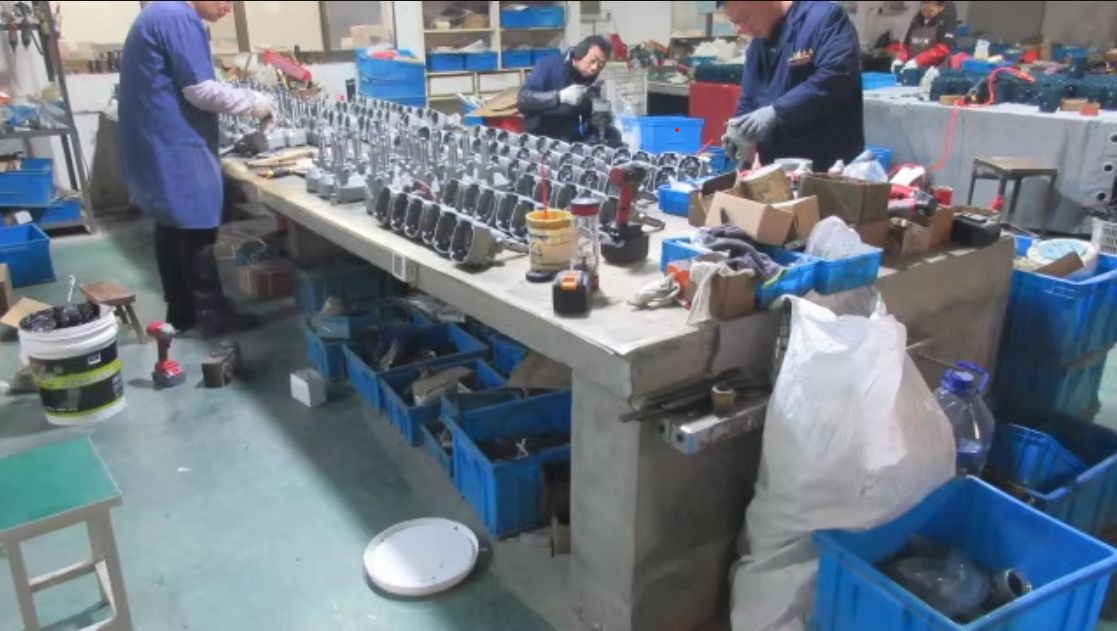
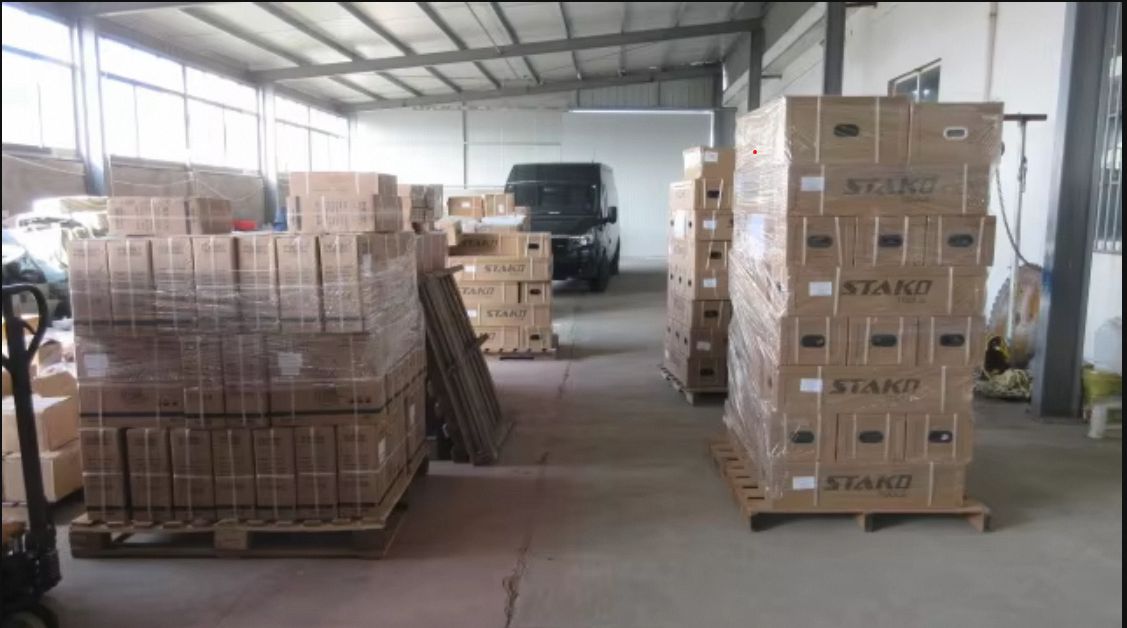
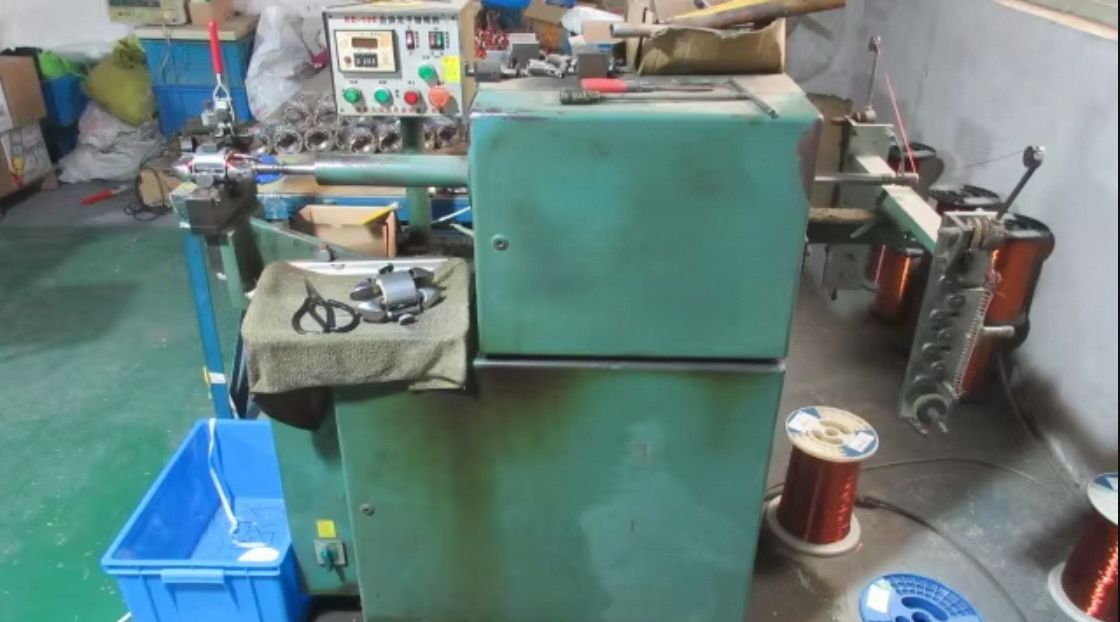
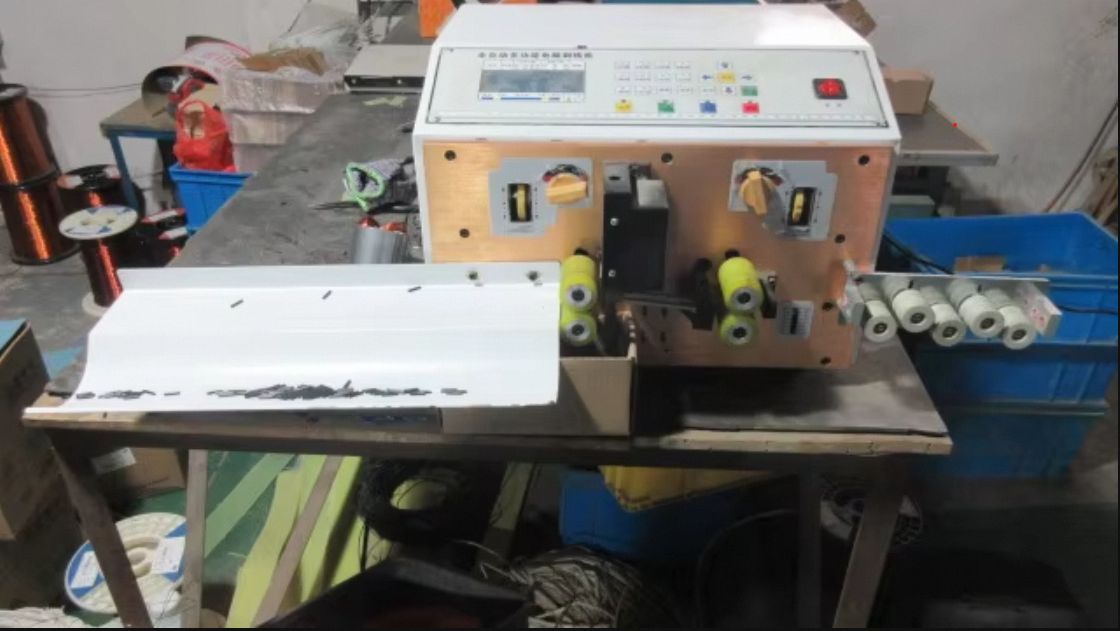
We believe in absolute transparency. Below are the actual production stages utilized in our manufacturing facilities to ensure optimal performance and long service lives.
How our custom OEM/ODM solutions adapt to the distinct regulatory and environmental challenges of global territories.
Fabrication shops across the US and Canada must comply with rigid ANSI/AWS safety guidelines and UL listing protocols. Heavy-duty construction and automotive applications require welding systems that interface cleanly with dual-voltage inputs (110V/220V) and provide high power efficiency. Our systems feature NEMA-compliant configurations, high structural durability, and specialized duty cycle safety overrides to prevent thermal overload on large-scale infrastructure projects.
European clients operate under strict CE, EN, and RoHS directives, placing a heavy premium on energy efficiency (eco-design requirements) and electromagnetic compatibility (EMC). High-precision manufacturing and shipyard construction demand equipment that integrates PFC (Power Factor Correction) to lower line loss. We supply custom CE-approved machinery with integrated control panels, advanced arc stability software, and ergonomic safety grips to meet the demands of safety-conscious EU worksites.
Rapid urbanization and infrastructure expansions in South America and Southeast Asia present high-humidity, dusty, and unstable power grid environments. Heavy machinery must operate continuously under wide voltage fluctuations without system failure. Our localized equipment designs feature reinforced PCB coatings, ruggedized steel bodies, dust-proof internal channels, and simple analog or digital interfaces that ensure uninterrupted service in challenging field conditions.
The industrial landscape is moving rapidly toward Industry 4.0 integration. Modern welding technology is no longer isolated; it is a critical node in automated production lines. We are actively researching and integrating IoT telemetry into our machine designs. Real-time logging of parameters—such as arc voltage, current draw, and gas flow rates—allows engineering leads to monitor weld quality, analyze production throughput, and execute predictive maintenance plans before component failures cause costly downtime.
Furthermore, green manufacturing initiatives are driving the demand for energy-efficient power supplies. By utilizing high-frequency switching technology and smart standby modes, we minimize idle power draw. This design shift reduces operational energy costs for large factories and aligns global supply chains with tightening carbon regulations. As a forward-looking OEM/ODM manufacturer, Zhejiang Pargo Tool Co., Ltd. continuously refines its production lines to provide tools that are structurally robust, ecologically responsible, and ready for digital integration.
Procurement strategies must account for these primary market transitions over the next three to five years:
Welding systems designed to interface with industrial robotic arms via standard CAN-bus communication protocols.
IGBT switching at frequencies over 50kHz to minimize power dissipation, reduce magnetic weight, and output exceptionally stable arcs.
Compliance with strict standby energy limitations and hazardous material directives (RoHS) across all components.
Crucial industrial insights from our technical support team regarding custom orders, performance optimization, and factory certification guidelines.
We provide full-spectrum OEM and ODM customization. This includes custom exterior housing colors, localized brand logos, custom-tailored user interfaces (digital control displays, language packs), modified circuit configurations (such as variable input voltage ranges for 110V/220V/380V networks), and adjusted duty cycles matching specific regional safety targets. Simply submit your schematic requirements to our R&D engineering team for design evaluation.
We leverage advanced supply chain integration systems. Every production run follows structured standard operating procedures (SOPs). Component sourcing is restricted to pre-vetted raw material vendors who supply detailed material test reports (MTRs). We utilize automated precision assembly systems (such as computerized winding machines, automated spot-welding rigs, and robotic turning centers) followed by rigorous quality gates where each unit undergoes load testing under real-world stress conditions.
Our tools are designed to conform to international certification standards. Depending on the product category and destination market, we supply goods certified under CE, GS, UL, RoHS, and EN388 standards. During the initial contract phase, our compliance department works closely with procurement agents to ensure that all documentation, marking plates, and operating manuals meet target market imports requirements.
The internal transformer is the core of any welding power supply. By utilizing automated winding machines, we ensure uniform wire tension and layout, eliminating local hotspots that can degrade insulation over time. Subsequent spot-welding processes provide low-resistance electrical connections capable of handling high-current surges without thermal stress or connection failure, significantly extending machine service life.
MOQ varies based on the level of customization required and the specific product class. For standard tool modifications, MOQ starts at 500 units, while deep ODM engineering projects involving custom plastic molds or custom chassis designs require higher minimums. Average lead time ranges from 30 to 45 days, which includes structural testing, visual QC inspection, packaging development, and final shipping preparation.
We stand behind the engineering of our products. For all bulk orders, we provide a pre-agreed percentage of replacement parts (such as control boards, switches, casing parts, and accessories) at no additional charge. We also supply detailed diagnostic schematics, maintenance videos, and direct access to our engineering team for resolving complex technical issues.
Browse our second selection of heavy-duty fabrication equipment, automated machinery, and measurement solutions built to meet global industrial standards.
 Pargo Tool