Discover premium heavy machinery, industrial cabling, hand tools, and protective safety gear optimized for international operations.
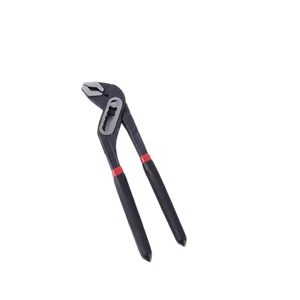
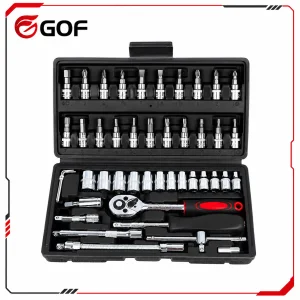
The global demand for industrial crafting tools, heavy-duty woodworking machinery, and automotive hardware is undergoing a structural transition. Sourcing managers, procurement directors, and tier-one distributors are increasingly prioritizing supply chain agility, comprehensive testing protocols, and compliance guarantees over raw cost reduction. In a highly saturated market, identifying a verified industrial supplier who balances technological innovation with localized technical support has become the baseline for operational excellence.
High-precision manufacturing—spanning from 3-axis CNC router operations to specialized CR-V socket systems and photovoltaic solar transmission components—requires rigorous metallurgical consistency and specialized automation. When enterprise buyers seek a crafting tool factory, they look beyond unit economics; they evaluate the factory's structural capacity to integrate custom mold creation, rapid prototyping, and automated assembly pipelines while adhering to stringent international benchmarks such as ANSI, CE, and DIN.
SEO Sourcing Intelligence: Advanced search patterns indicate that B2B intent has shifted from generic keywords like "cheap hand tools" toward semantically rich phrases like "certified CR-V hand tool suppliers", "high-capacity woodworking circular saws with CE compliance", and "custom tool chest manufacturers with RAL powder coat finishes". Sourcing strategies must align with these granular intent signals.
Zhejiang Pargo Tool Co., Ltd. represents a model of a modern, vertically integrated hardware and tool enterprise. Established formally under the Pargo brand in 2023, the core founding team brings nearly 15 years of industry experience, covering advanced engineering, product development, quality control, and cross-border trade operations. Pargo has positioned itself as an all-in-one partner for B2B clients, bridging the gap between dynamic factory capabilities and global compliance needs.
Pargo's product catalog features a comprehensive selection of over 10,000 SKUs. The company operates across multiple hardware segments, including professional hand tools, heavy-duty power tools, specialized garden machinery, automotive workshop equipment, plumbing hardware, and household hardware systems. Rather than relying on static manufacturing processes, the company works alongside strategic raw material suppliers to maintain high structural integrity and dimensional precision across all tool sets.
Under the hood of an industrial tool factory: visual stages of winding, machining, surface treatment, and quality assurance inspection.
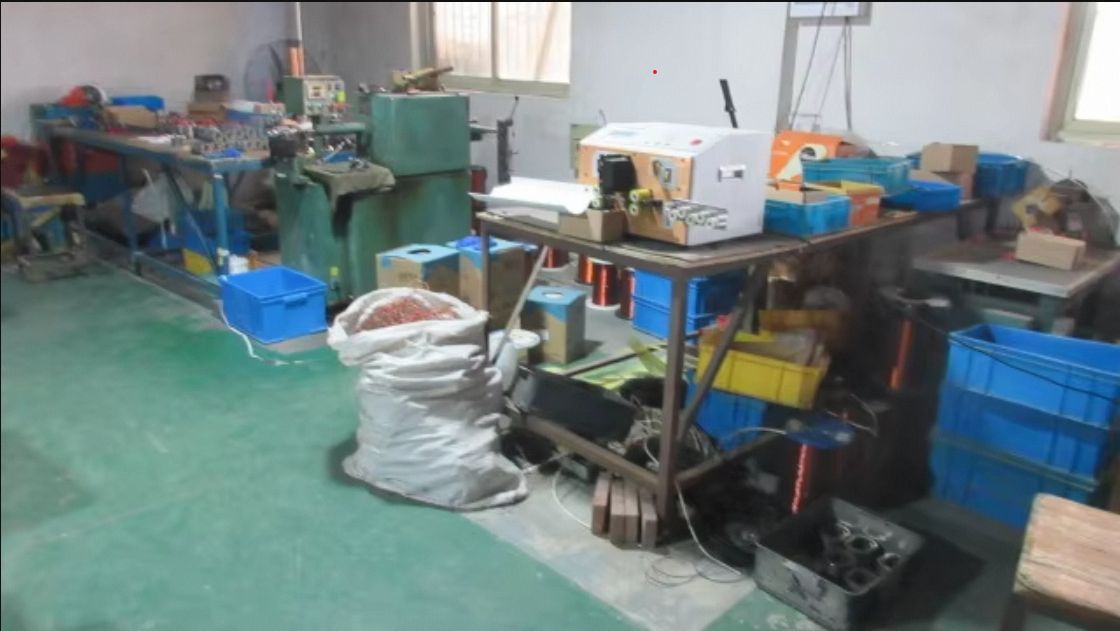
High-tension industrial winding processes ensure precise electrical properties in motor armatures and stators used in power tools.
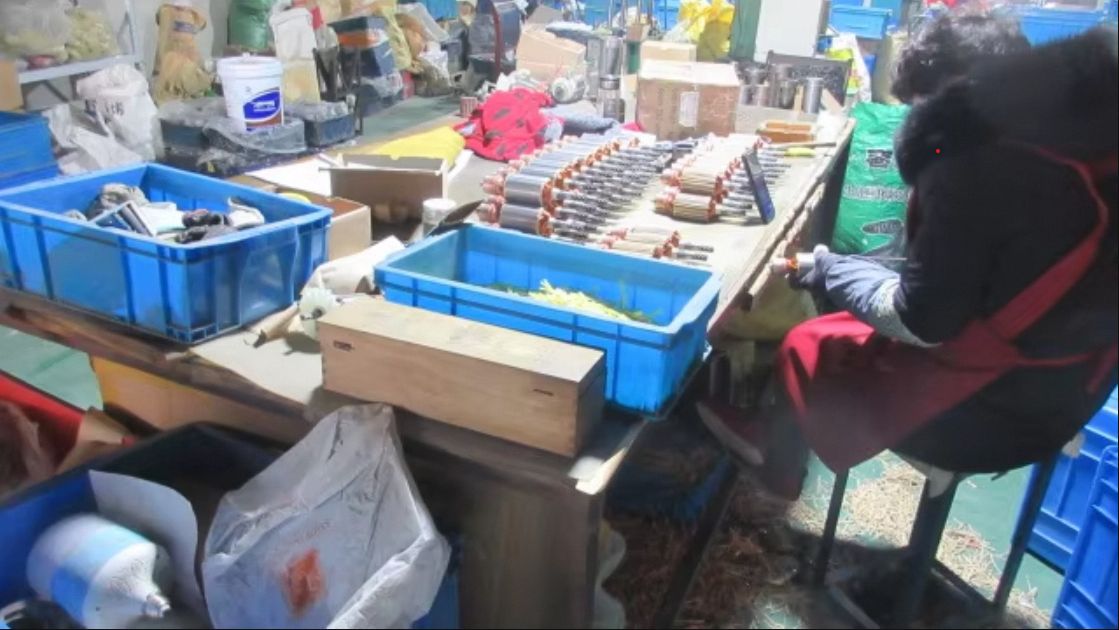
Rotor core slot insulation and core stack optimization are performed to maximize motor efficiency and prevent thermal fatigue.
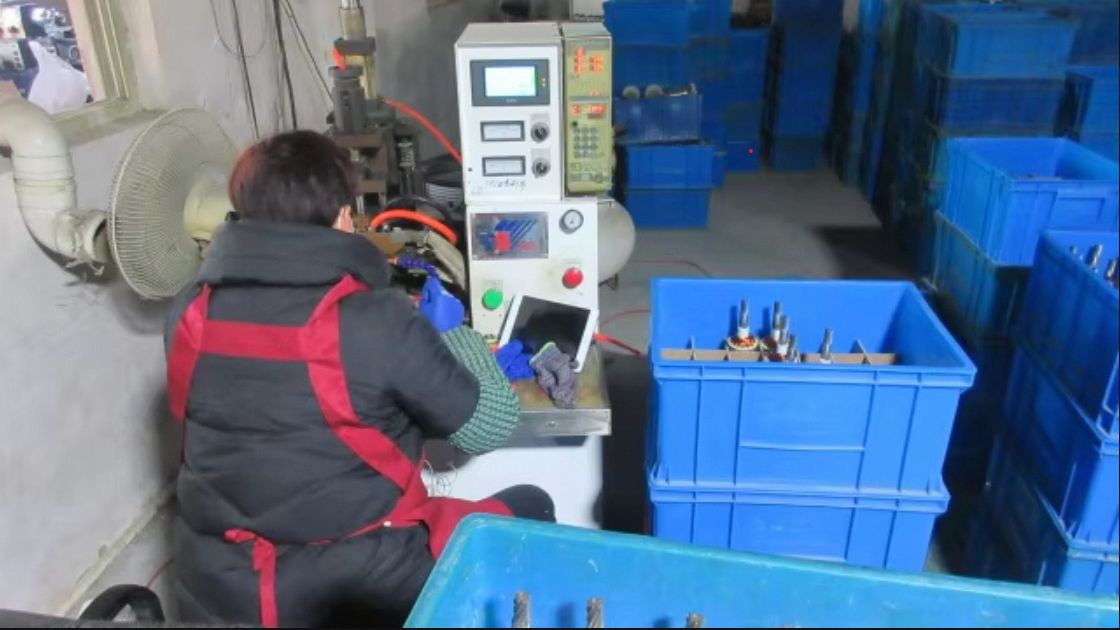
Automated spot welding joins the commutator segments securely, offering durability during high-rotation tool applications.
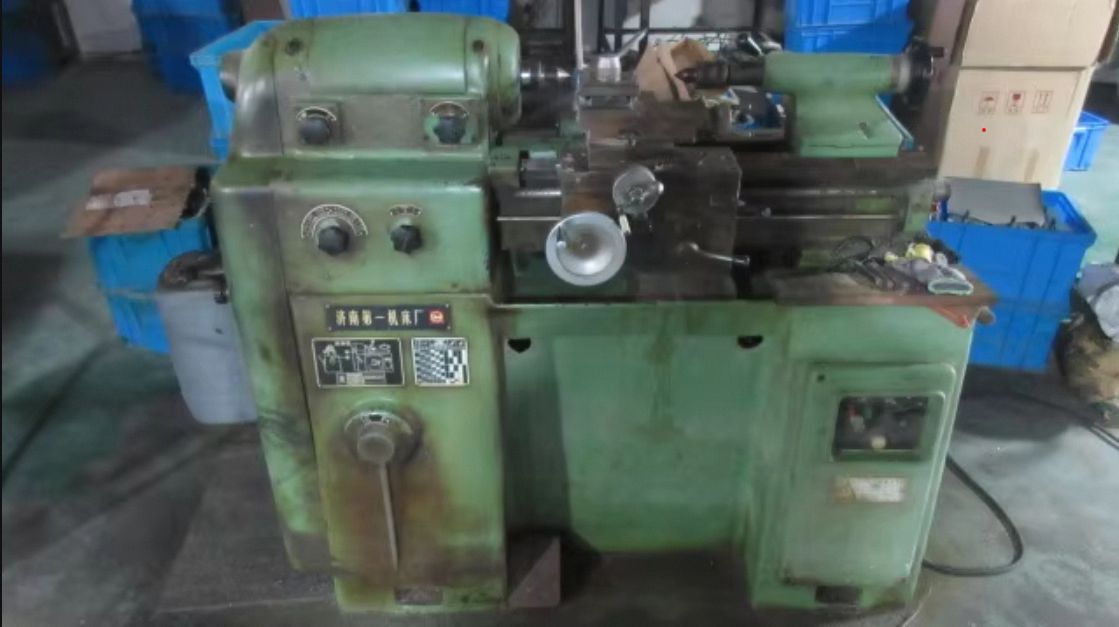
High-precision lathe systems trim the commuter OD to micrometer tolerances to guarantee brush contact and reduce sparking.
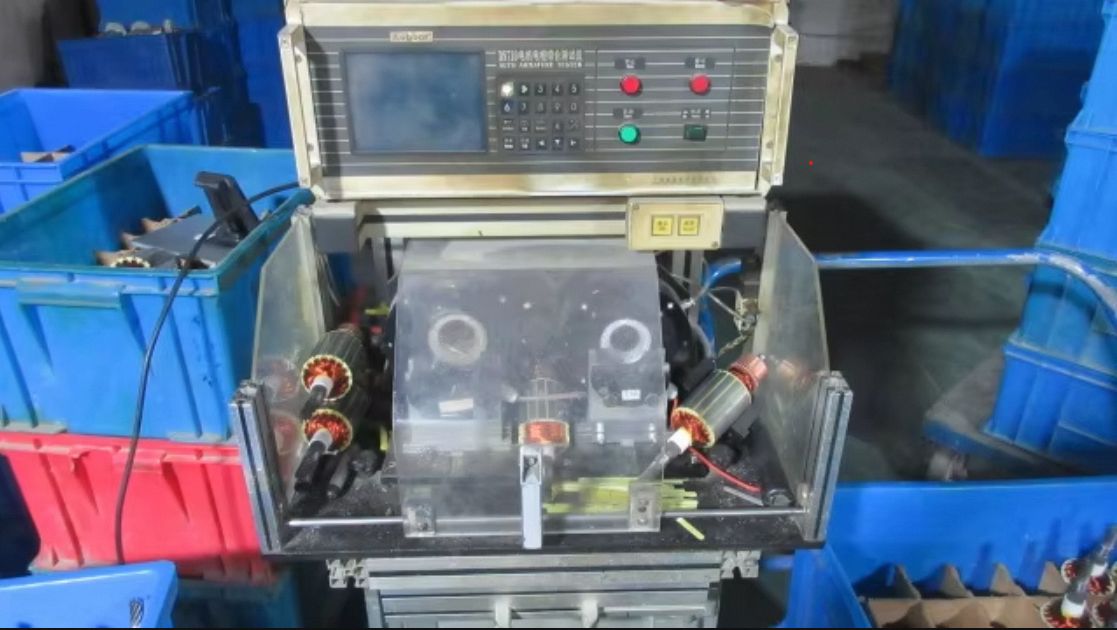
Dielectric strength testing, resistance analysis, and insulation resistance checks detect internal flaws prior to final assembly.
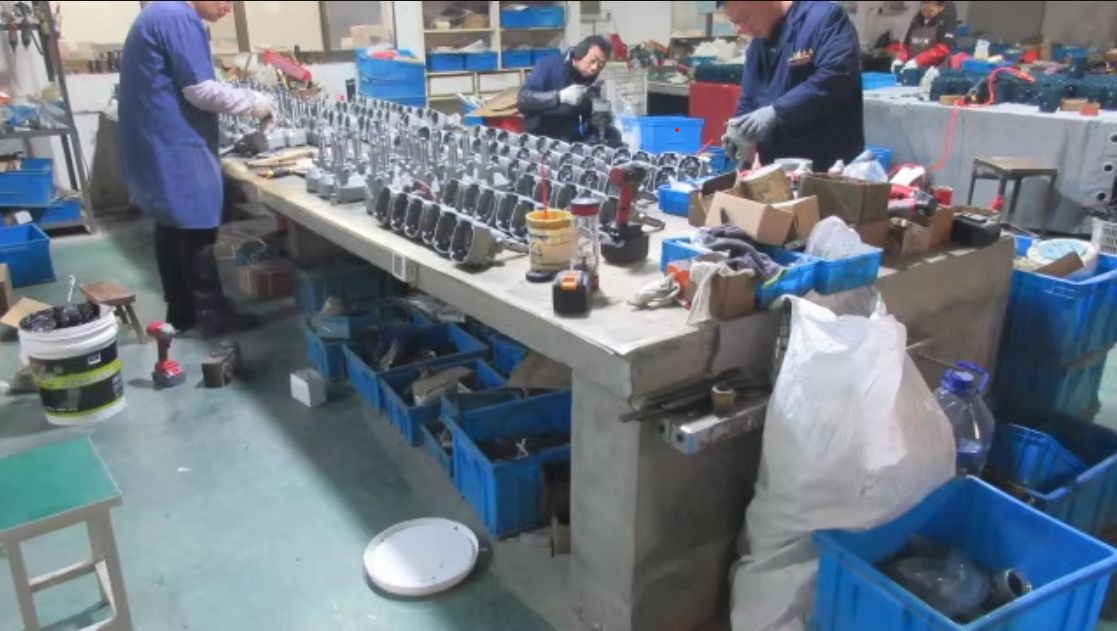
Experienced assemblers integrate mechanical components, gearboxes, and housings inside an anti-dust cleanroom pipeline.
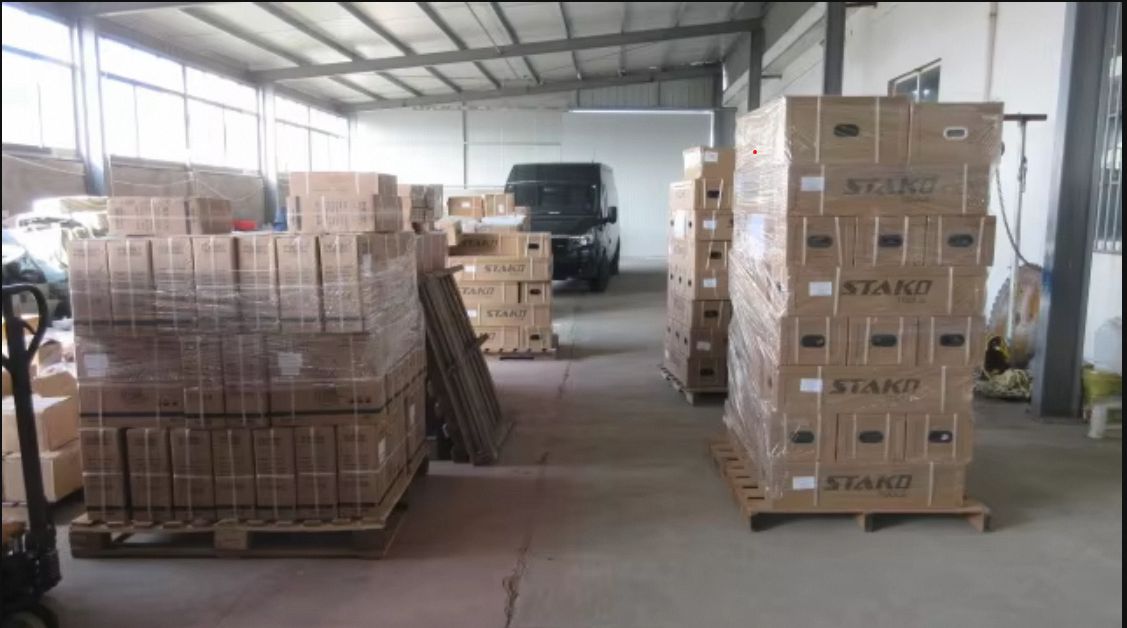
Visual inspections verify housing aesthetics, handle alignment, and packaging box integrity for global shipping.
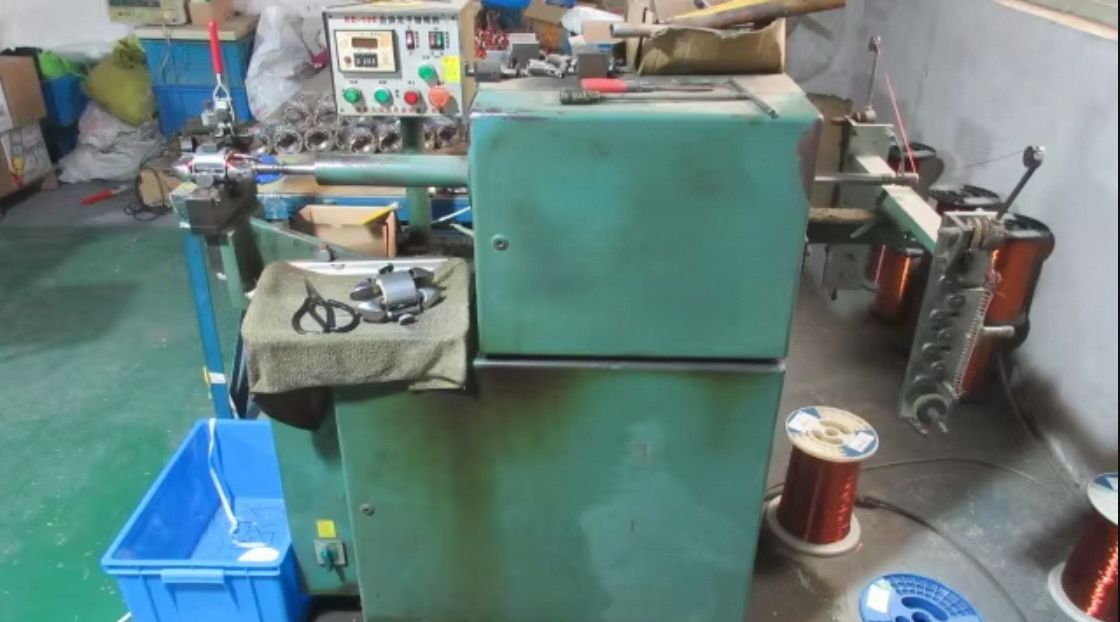
Heavy-duty winding machines regulate torque and speed to process copper wires without stretching or insulation damage.
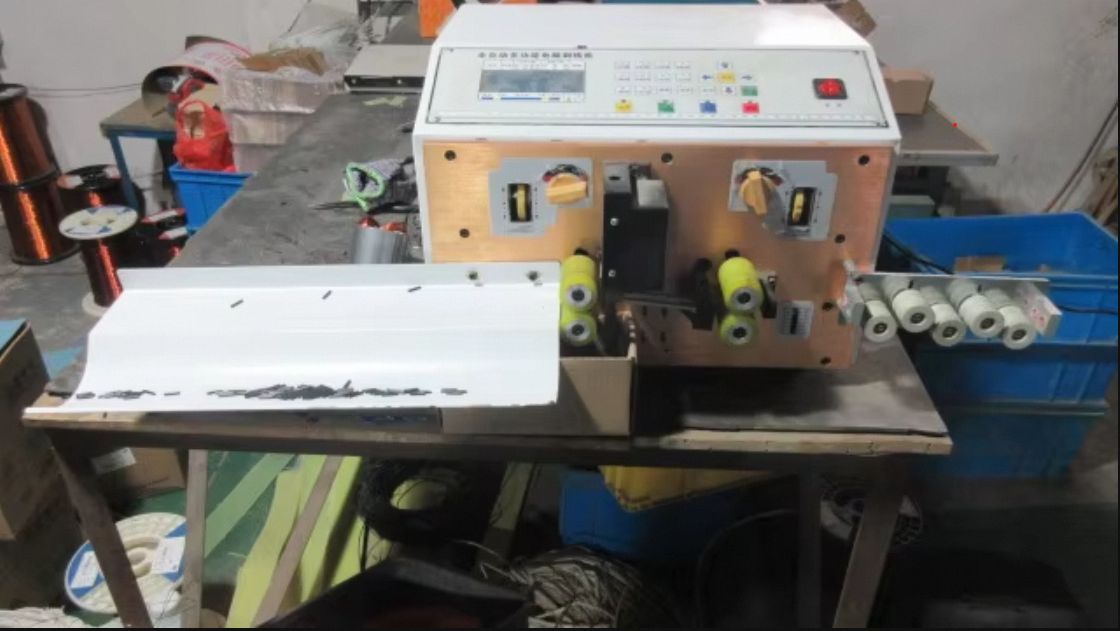
Multi-pole winding configurations are executed on specialized equipment to support dynamic variable speed motors.
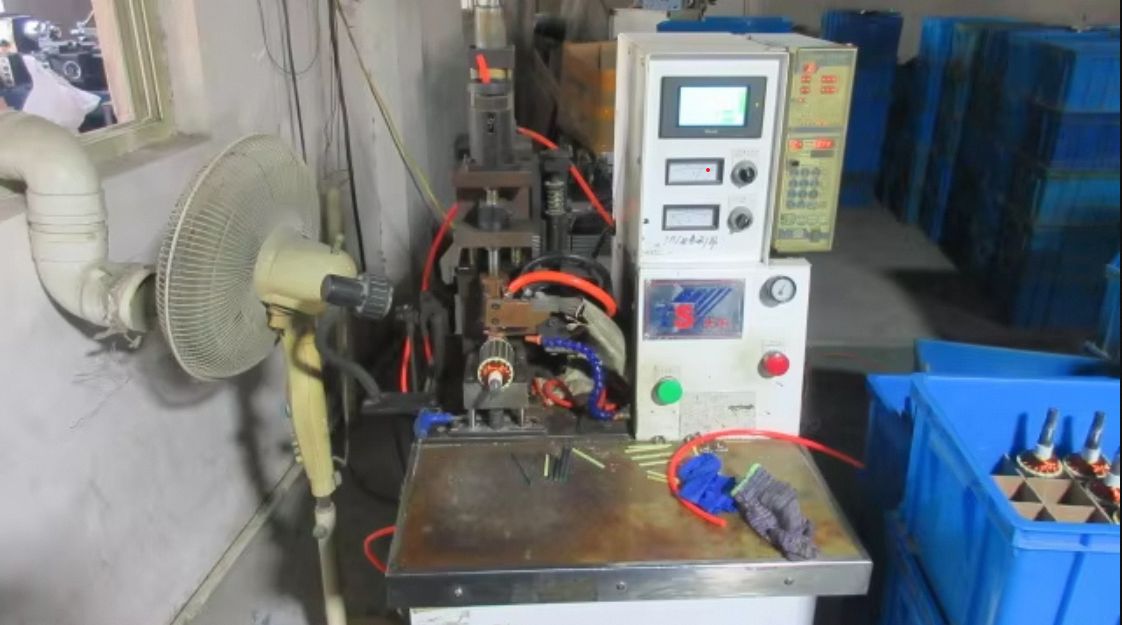
Optical checks inspect weld contact points to confirm complete structural bonding and check for micro-voids.
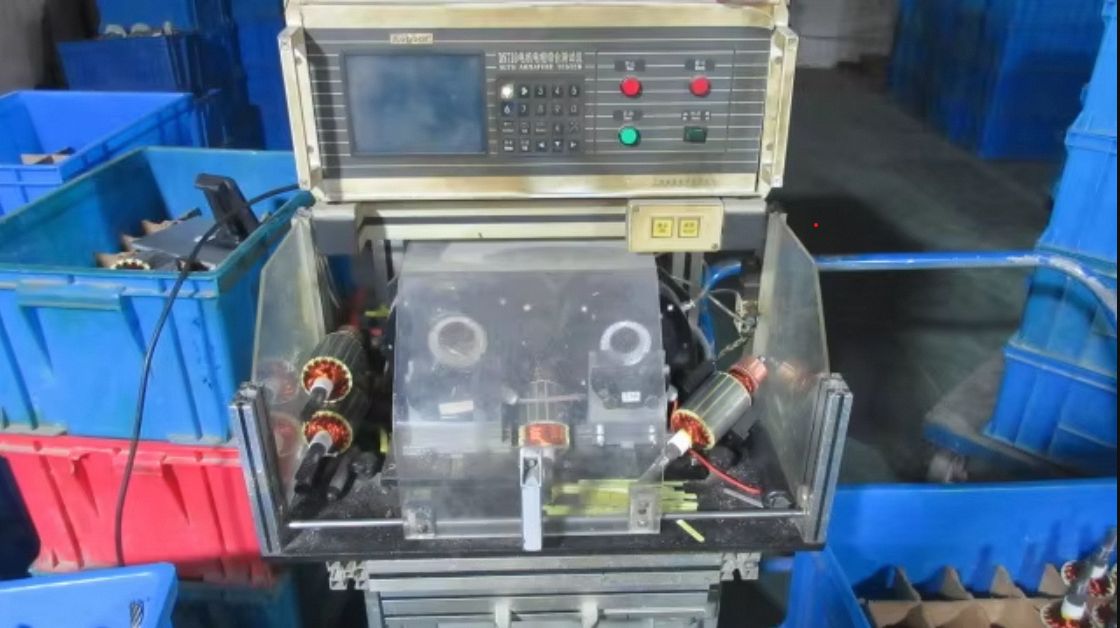
Armatures undergo operational testing to verify that temperature rise, current draw, and rotation speed match parameters.
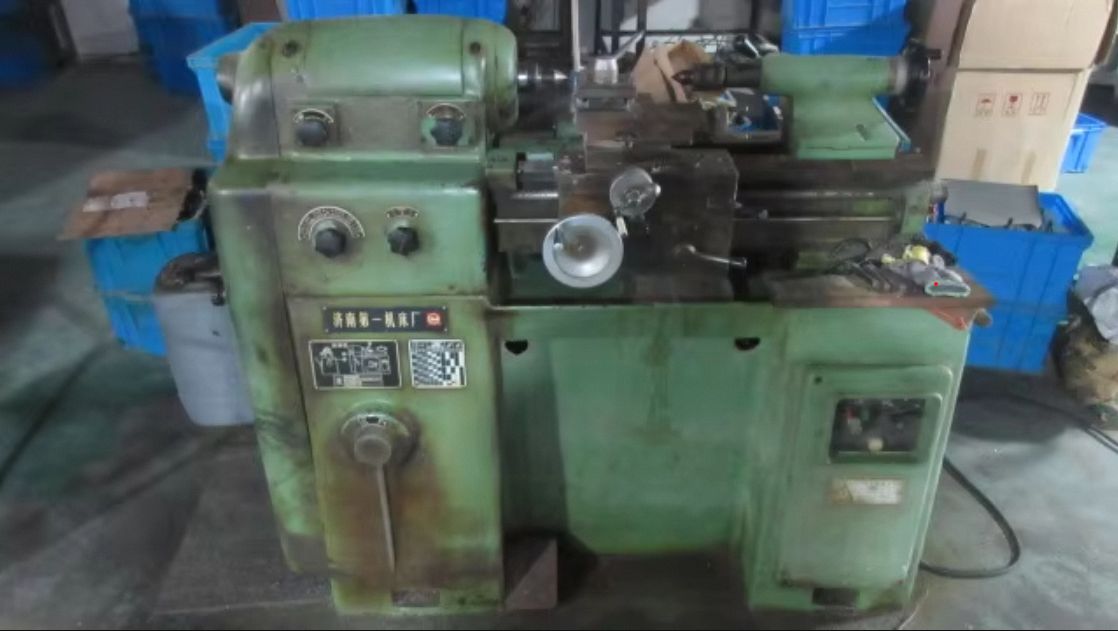
A final micro-turning step eliminates any run-out on mechanical shafts, ensuring quiet operation in final applications.
Sourcing from top-tier Chinese manufacturing clusters provides global buyers with several operational advantages:
For B2B procurement, meeting localized safety and performance regulations is non-negotiable. Sourcing uncertified products can result in customs detentions, liability issues, and retail bans. Leading tool factories maintain testing protocols to secure essential certifications for different global markets:
ANSI Standards (North America): Hand tools, including CR-V sockets, screwdrivers, and pliers, must satisfy the mechanical torque and material hardness requirements set by the American National Standards Institute (ANSI) to prevent structural failures under load.
CE Directives & GS Certification (Europe): Power tools and heavy machinery must comply with the European Machinery Directive (2006/42/EC) and hold the CE mark. The German GS (Geprüfte Sicherheit) mark provides verification of electrical safety and operational integrity.
TUV & UL Solar Compliances: Electrical cabling, such as copper PV DC cables, must satisfy TÜV 2PfG 1169 or UL 4703 standards to operate safely in solar installations under high temperatures and UV exposure.
To highlight the practical utility of modern crafting and industrial tools, we examine their performance across three common application scenarios:
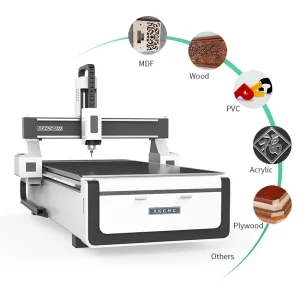
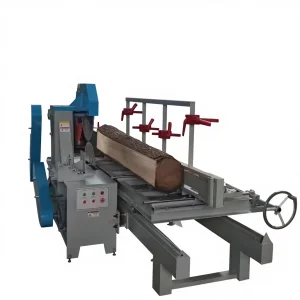
High-capacity furniture manufacturing requires automated cutting equipment. A 3-axis CNC router handles nesting, profiling, and carving on solid wood, MDF, and acrylic sheets. Supported by heavy-duty vertical circular saws for log processing, shops can establish an efficient raw-wood-to-finished-component workflow.
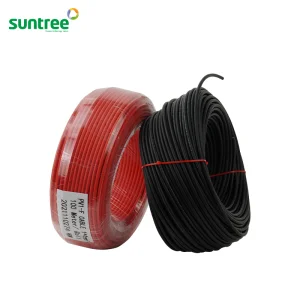
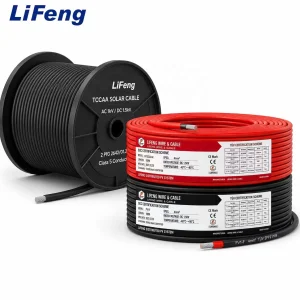
Utility-scale solar installations require durable wiring solutions. Tinned copper PV DC cables (1000V/1500V) are engineered to resist degradation in outdoor settings. Installing these systems relies on dielectric crimping pliers and specialized insulation stripping tools for secure connections.
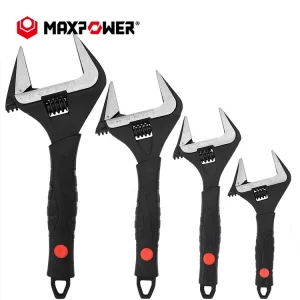
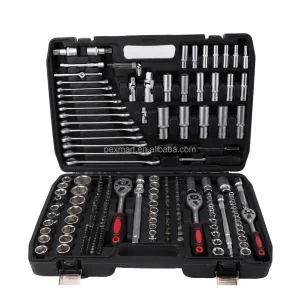
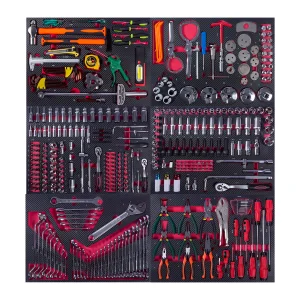
Professional repair centers require complete mechanics tool kits. An OEM 216-piece socket set with CR-V ratchet drivers and adjustable wrenches offers the durability needed to handle high-torque automotive service tasks.
The global tooling sector is evolving through the adoption of new manufacturing technologies:
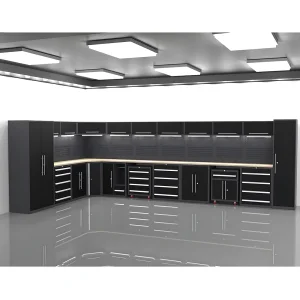
Heavy-duty workshop solutions, high-grade cutting machinery, and certified solar farm equipment.
 Pargo Tool