In modern manufacturing, infrastructure fabrication, and metallurgical engineering, abrasive cutting technologies represent a critical cornerstone. The global market for cutting discs—historically referred to as cut-off wheels—has shifted from simple mineral-resin composites to high-precision engineering components. Today's commercial applications demand extreme durability, structural integrity under high centrifugal loads, and thermal resilience. From structural steel processing in marine yards to complex pipeline welds in oil and gas refineries, the efficiency of cutting consumables directly dictates production speed and worker safety.
Industrial scale requirements place significant stress on manufacturers to balance cut rate, lifetime, and raw material safety. Large structural fabrication relies heavily on high-speed angle grinders, stationary saws, and gasoline cutters operating at peripheral speeds up to 80 m/s or 100 m/s. A failure in disc integrity at these speeds can lead to catastrophic accidents. Consequently, global tier-one buyers look past basic cost-per-unit metrics, prioritizing structural stability, consistent abrasive distribution, and comprehensive quality validation.
The performance of a cutting disc depends on the synergy of its three primary constituents: the abrasive grain, the bonding agent, and the fiberglass reinforcement grids. As metallurgy progresses toward tougher, high-tensile alloys like duplex stainless steels, titanium, and aerospace-grade nickel alloys, cutting disc chemistry has evolved accordingly.
"Sourcing cutting tools in the era of automated manufacturing requires looking beyond unit pricing. Real economy is determined by the total volume of metal removed per disc combined with minimal operator fatigue and downtime. Our strategic focus at Pargo Tool relies on these deep engineering parameters."
Industrial buyers face unique challenges in procurement: reconciling production safety, inventory velocity, and strict chemical standards. In markets like Western Europe and North America, environmental and occupational health directives prohibit the inclusion of toxic heavy metals, chlorine, or sulfur in cutting tools. In particular, halogen-free, iron-free, and sulfur-free discs are mandatory for cutting stainless steel to prevent galvanic corrosion.
The table below details the sourcing parameters that major automotive, petrochemical, and shipyard EPC (Engineering, Procurement, and Construction) companies use during technical validation phases:
| Evaluation Parameter | Technical Benchmark Range | Operational Impact | Standard Validation Test |
|---|---|---|---|
| G-Ratio (Volumetric Efficiency) | > 2.5 on Stainless Steel | Higher material removal rates, lower consumable wear. | Automated CNC Test Rigs (Stroke/Load Controlled) |
| Maximum Operating Speed (MOS) | 80 m/s to 100 m/s | Worker safety protection, compatibility with high-speed grinders. | Centrifugal Burst Test (EN 12413 Annex A) |
| Chemical Purity Level | Fe, S, Cl < 0.1% | Prevents localized contamination and oxidation on alloyed steel. | X-Ray Fluorescence (XRF) Analysis |
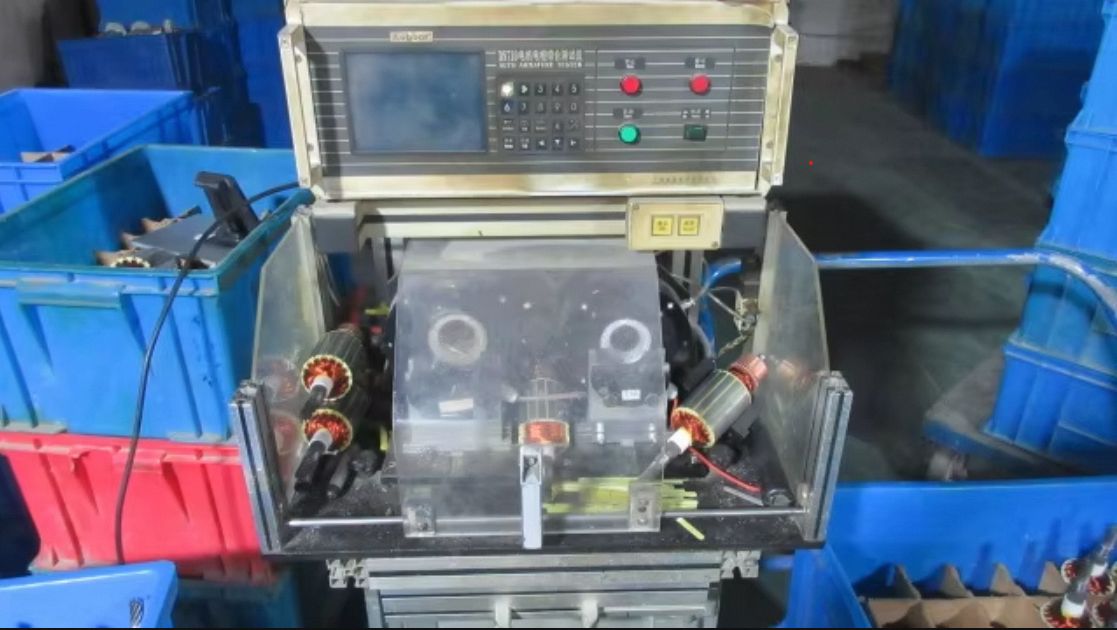
| Dynamic Balance Accuracy | < 0.2g residual imbalance | Reduces tool vibration, protecting operator wrists and spindle bearings. | Dynamic Balancer Testing |
The global abrasive market has experienced a significant shift toward automated manufacturing ecosystems in China. Leading factories have transitioned from manual, labor-intensive molding steps to fully integrated Industry 4.0 production environments. Utilizing automated mixing equipment, hydraulic presses with precise weight control, and smart curing ovens, these operations guarantee batch-to-batch consistency.
Zhejiang Pargo Tool Co., Ltd. represents this modern operational standard. Formally branded and restructured in 2023, the founding team brings 15 years of industry experience across raw material sourcing, product engineering, rigorous quality control, and global trade logistics. By utilizing strategic supply chains and an extensive network of specialized production sites, Pargo maintains a portfolio of over 10,000 SKUs, allowing buyers to consolidate multiple tool categories under one logistics provider.
No single cutting disc is optimal for all industrial tasks. Discs must be matched to the metallurgical properties of the workpiece.
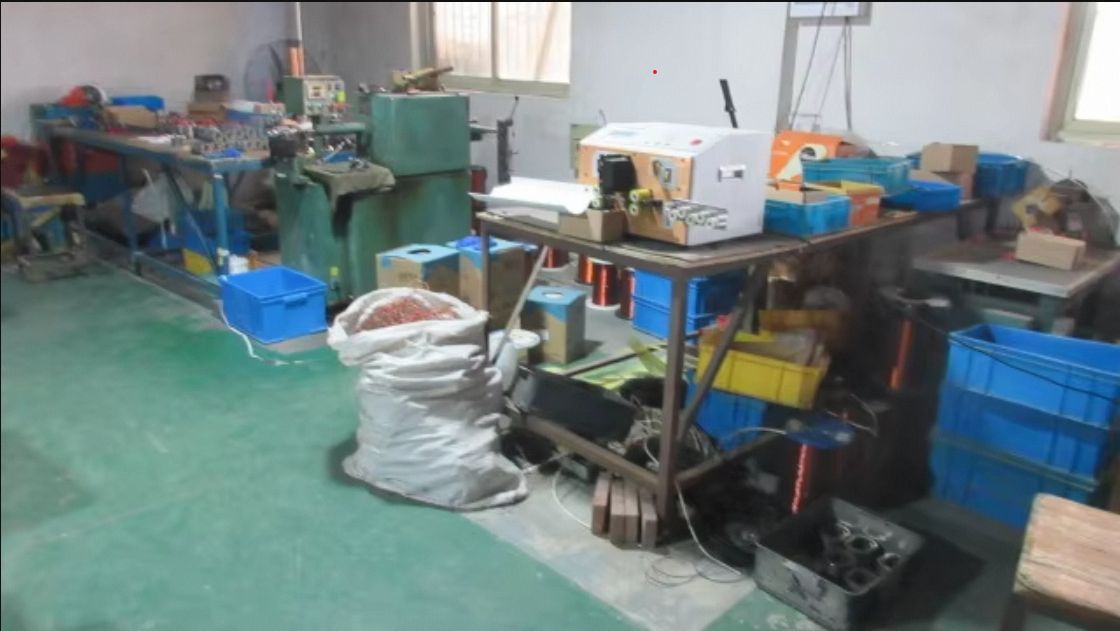
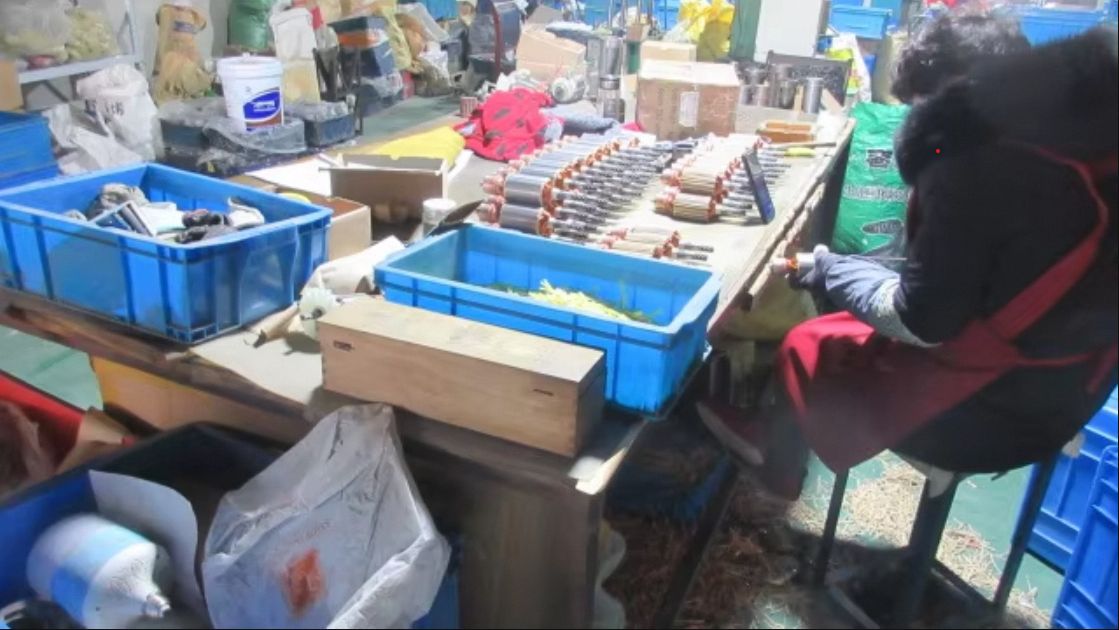
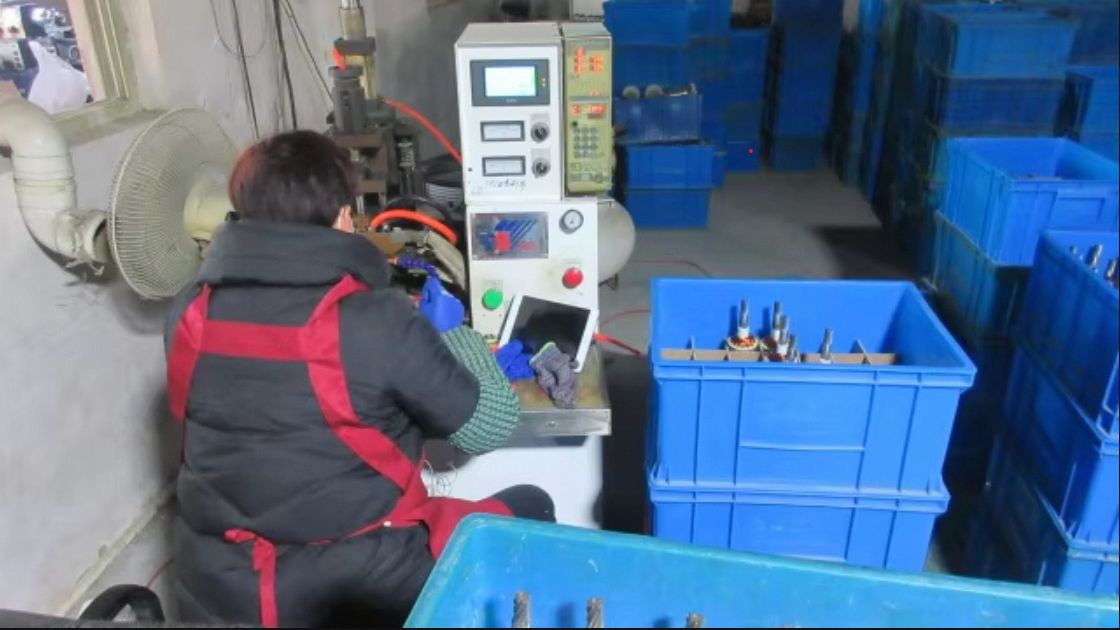
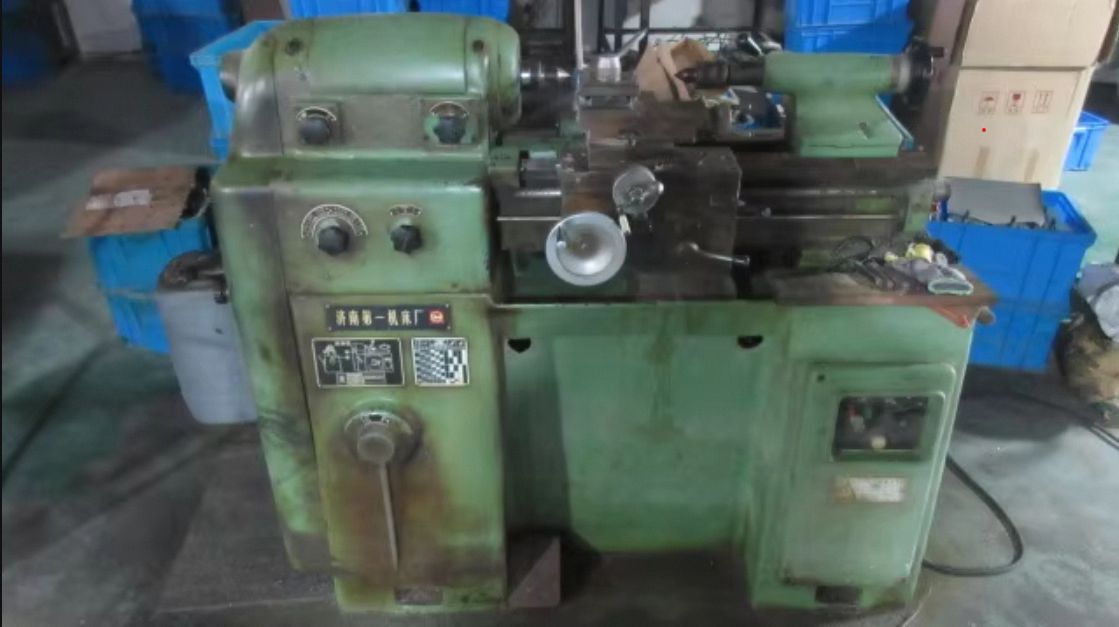
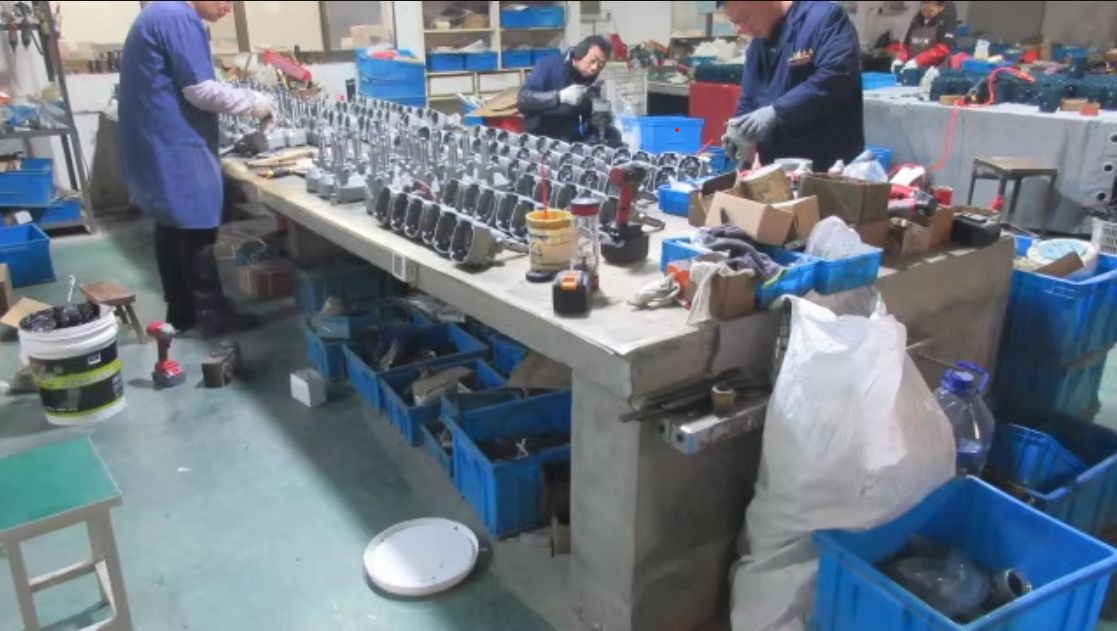
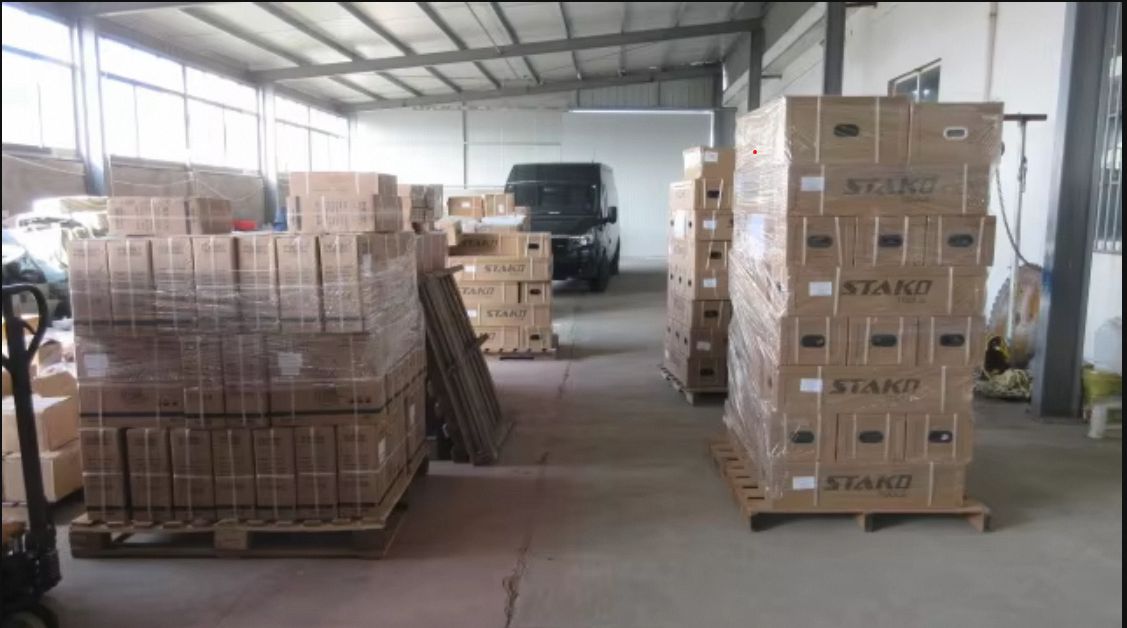
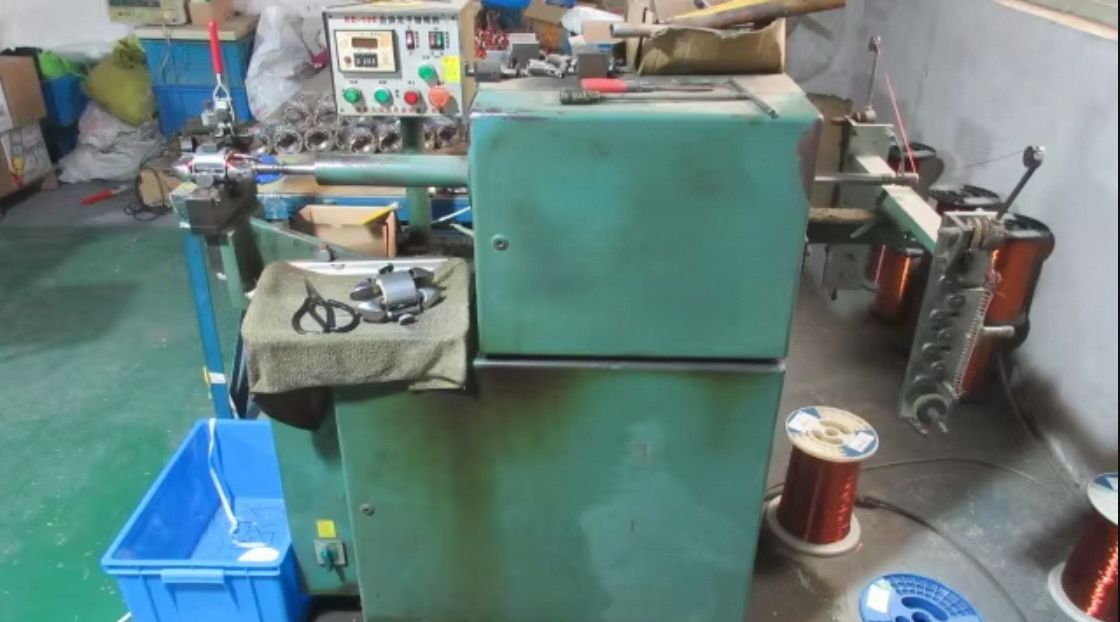
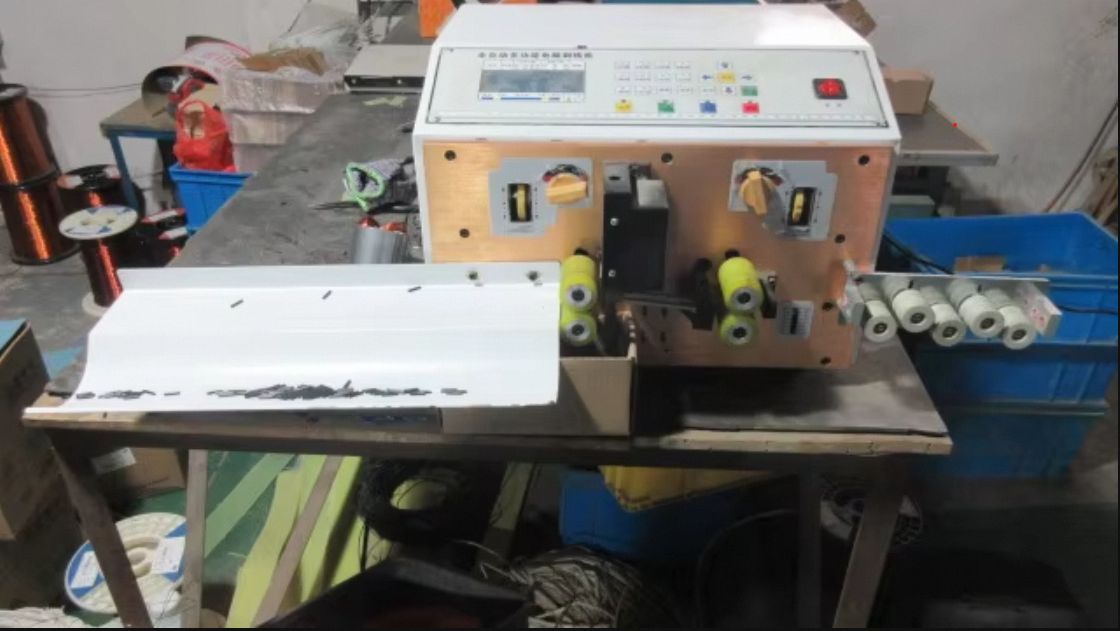
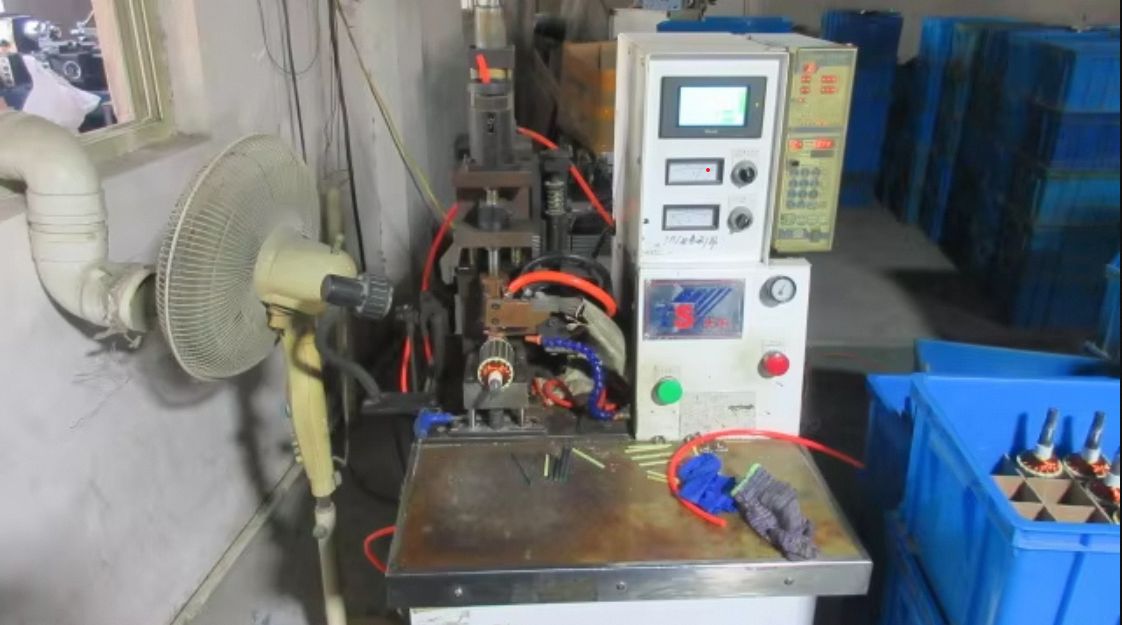
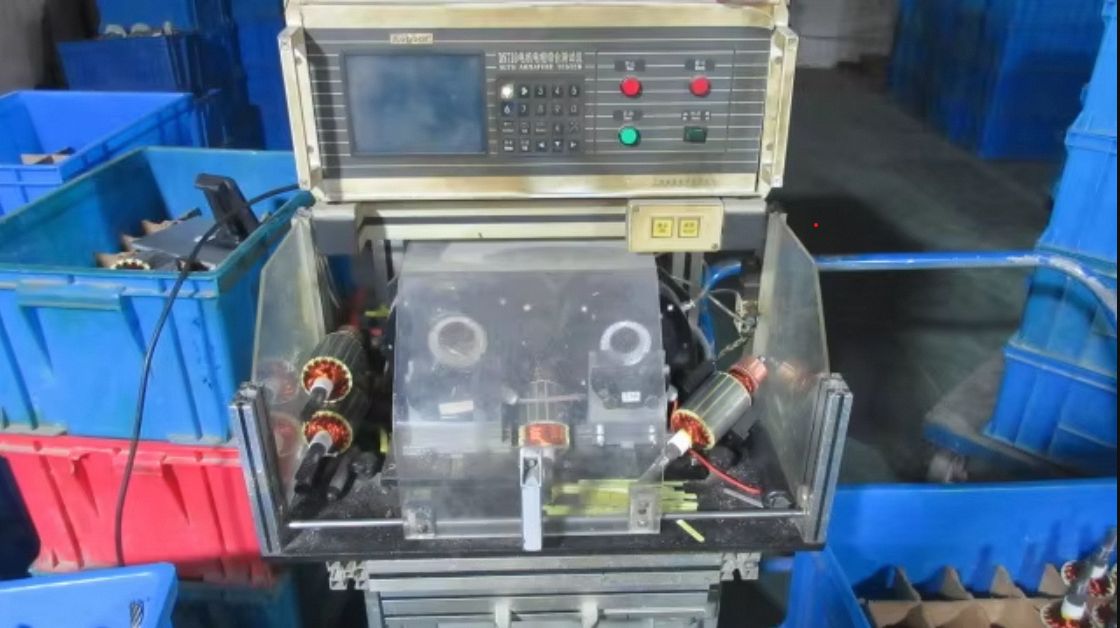
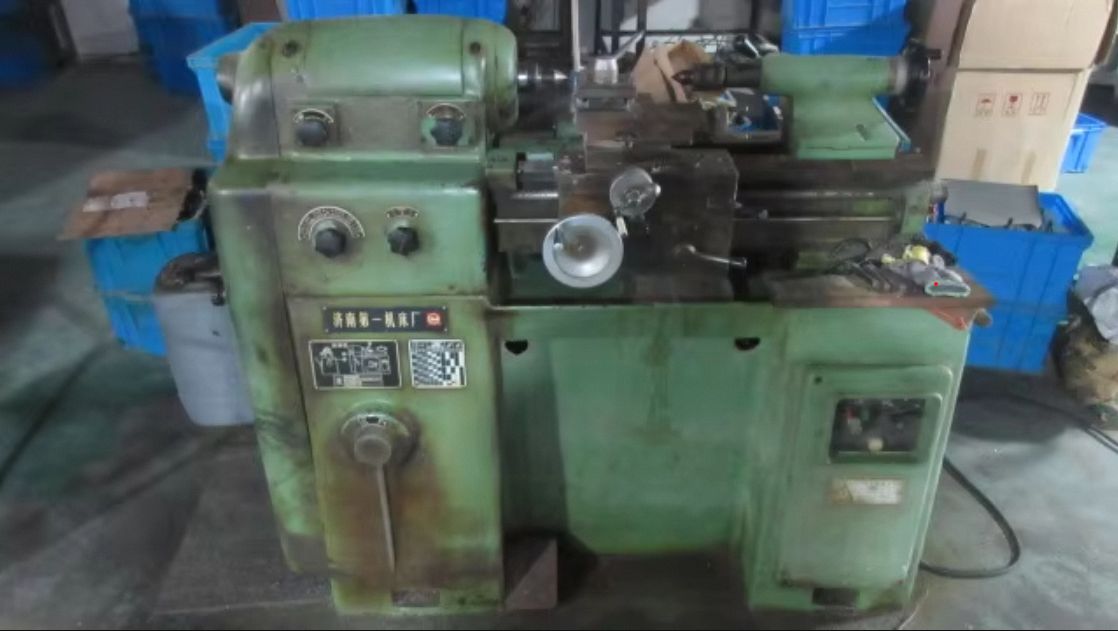
Manufacturing high-end industrial tools requires meticulous control at every stage. Below is a structured look at the core manufacturing, assembly, and testing processes that guarantee reliability under the Pargo manufacturing framework:

Technical answers covering selection, performance testing, and safety parameters for high-speed cutting discs.
When cutting alloy steels such as inox (stainless steel), any introduction of free iron (Fe), sulfur (S), or chlorine (Cl) from the cutting disc can damage the passive chromium oxide layer. This contamination acts as an initiator for galvanic corrosion, intergranular corrosion, or stress cracking. Premium manufacturers ensure chemical purity to maintain the corrosion resistance of the cut material.
EN12413 is the European safety standard governing bonded abrasive products. It mandates test procedures for rotational speed safety, side load structural resilience, impact protection, and balancing accuracy. Passing this certification ensures the disc can withstand high rotational stresses without bursting.
Resin bonds are susceptible to hydrolysis. Under high humidity conditions, water molecules can degrade the cross-linked phenolic resin matrix, weakening the bond and reducing the disc's mechanical strength. Standard shelf life is typically 3 years from the manufacturing date, provided they are stored in dry, climate-controlled conditions.
Thin discs (1.0mm to 1.6mm) minimize material loss, reduce dust generation, and cut faster due to less friction. However, they are more susceptible to lateral flexing. Thicker wheels (2.5mm and above) provide higher lateral stability and durability, making them suitable for deep plunge cuts and rough industrial environments.
The G-ratio is calculated as the volume of metal removed divided by the volume of disc wear. Sourcing teams can evaluate this through testing: clamp a standard workpiece, apply a controlled load, and measure disc loss relative to the depth of cut. A higher G-ratio indicates a lower total cost of ownership.
Standard thin cutting discs (under 2.0mm) are not designed for grinding. Side loading can stress the reinforcement mesh, potentially causing the disc to shatter. For combination cutting and grinding tasks, procurement teams should specify reinforced 2-in-1 wheels.
Zirconia alumina is a self-sharpening abrasive that fractures under load to expose fresh, sharp cutting edges. This reduces friction and heat generation, which lowers the thermal load on the resin bond and helps prevent sudden disc failures.
Through integrated ERP supply chains and raw material pre-stocking, we control the manufacturing process from raw abrasives to final packaging. Automated press machinery and computerized curing cycles reduce variance, ensuring that production batches remain consistent over long-term contract cycles.
 Pargo Tool