
Top Trusted Anchors Factory & Supplier

Premium Structural Fixings, Heavy-Duty Hardware & Global Engineering Solutions. Engineered for ultimate structural integrity under extreme industrial loads.

The Evolution of Global Anchoring Technologies & Industrial Demand

In modern structural engineering, anchoring systems are critical interfaces that transfer loads safely from structural attachments to concrete, masonry, or composite base materials. Over the last decade, rapid urbanization, seismic code revisions, and massive infrastructure developments have reshaped the global anchoring market. Structural engineering designs now require higher safety margins, extreme corrosion protection, and compatibility with challenging environmental substrates.

As a leading, top trusted anchors factory and supplier, our approach is built upon a deep understanding of metallurgy, base materials mechanical behaviors, and dynamic installation conditions. In civil construction, heavy machinery installations, marine projects, and MEP (Mechanical, Electrical, Plumbing) support integrations, anchoring failure is never an option.

Today's commercial landscapes demand anchoring products that strictly comply with international assessment standards, such as the European Technical Assessment (ETA) and ICC-ES reports. Fastener performance is measured not only by static pull-out capacity but also by performance under cracked concrete conditions, seismic shear, and sustained high temperatures. Our engineering teams utilize high-grade carbon steels, A2/A4 stainless steels, and state-of-the-art chemical formulations to meet these demands globally.

Key Structural Design Criteria:

  • Concrete Crack Resistance: Anchors designed to expand and hold even when concrete fractures under bending stress.
  • Seismic Qualification (C1 & C2): Standardized testing profiles simulating ground acceleration forces during earthquakes.
  • Corrosion Resistance Profiles: Hot-dip galvanized, sherardized, and high-alloy stainless steel selections.

Heavy-Duty Anchor Classifications & Mechanical Behaviors

Selecting the appropriate anchor variant requires an analysis of the load direction, structural dynamics, concrete properties, and edge limits. Anchoring solutions are divided into two main scientific classifications: Mechanical Expansion Anchors and Adhesive (Chemical) Anchors. Both utilize unique engineering principles to transfer load to the concrete core.

1. Torque-Controlled Expansion Anchors

Commonly referred to as wedge anchors or stud anchors. During torque application, the cone is pulled up into the expansion clip, creating high lateral friction forces against the inner walls of the pre-drilled concrete hole. Recommended for structural steel columns, heavy storage racks, and safety barriers.

2. Sleeve Anchors

Feature a split steel sleeve surrounding the threaded bolt. Ideal for hollow core slabs, brick masonry, and medium-duty architectural attachments. The sleeve expands along its entire length, reducing localized compressive stresses on weaker base materials.

3. Chemical & Adhesive Injection Systems

These systems bond the threaded rod or rebar to the concrete via epoxy, polyester, or vinylester resins. By eliminating expansion stress, chemical anchors can be installed closer to edges and at smaller spacings than mechanical expansion anchors.

To ensure stability under dynamic loads, engineers must verify safety profiles using specialized software calculations. These evaluate the Ultimate Limit State (ULS) against concrete cone failure, pull-out failure, steel fracture, and concrete splitting.

Our Standard Manufacturing Processes & Quality Control

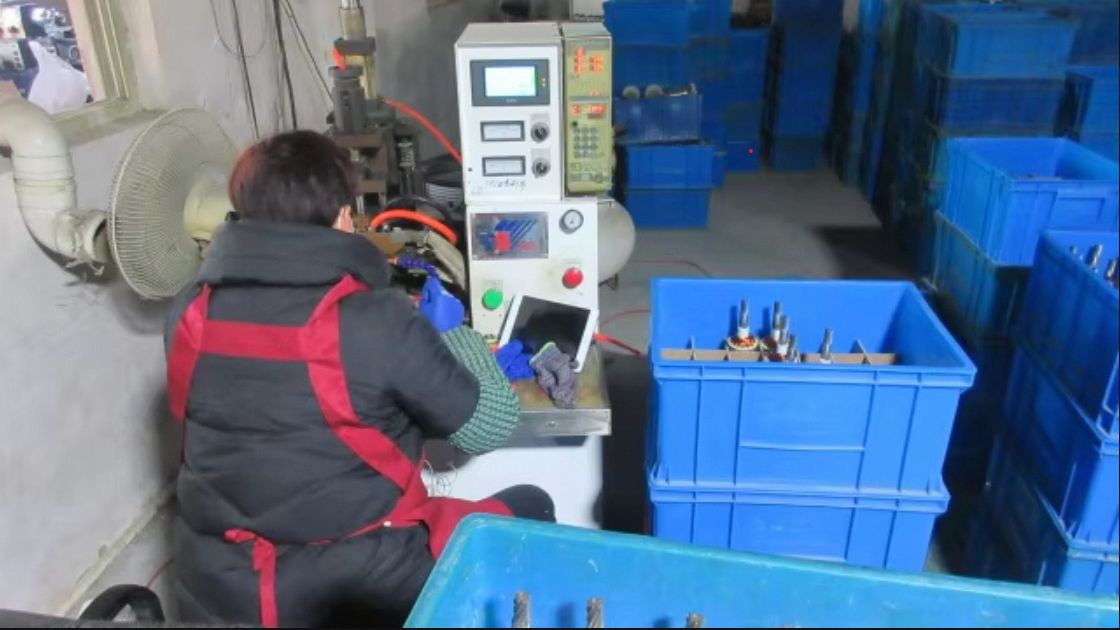
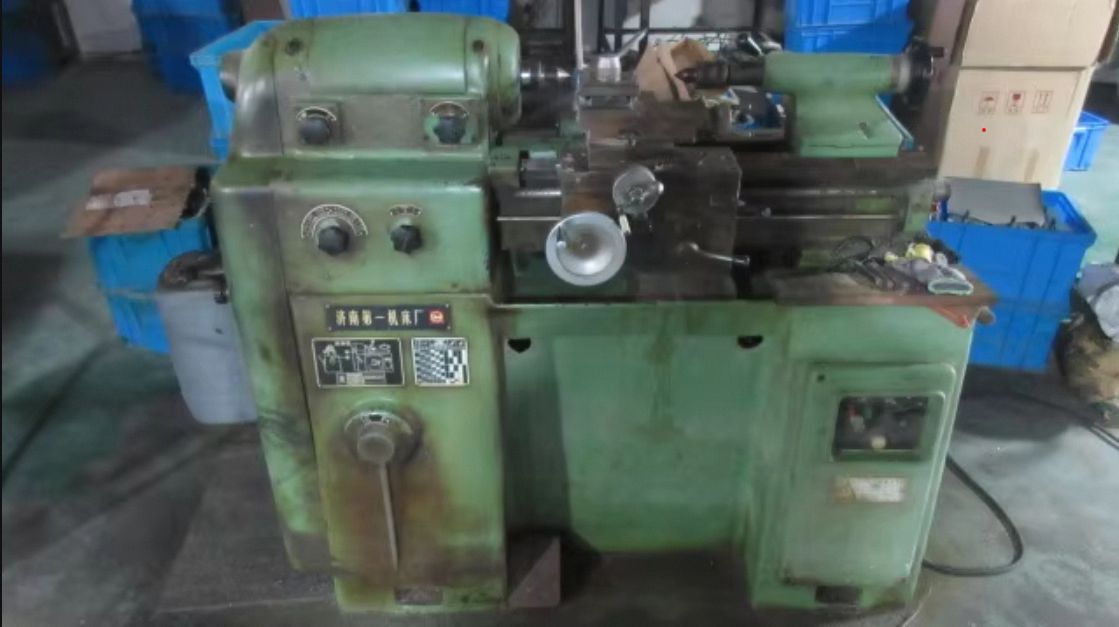
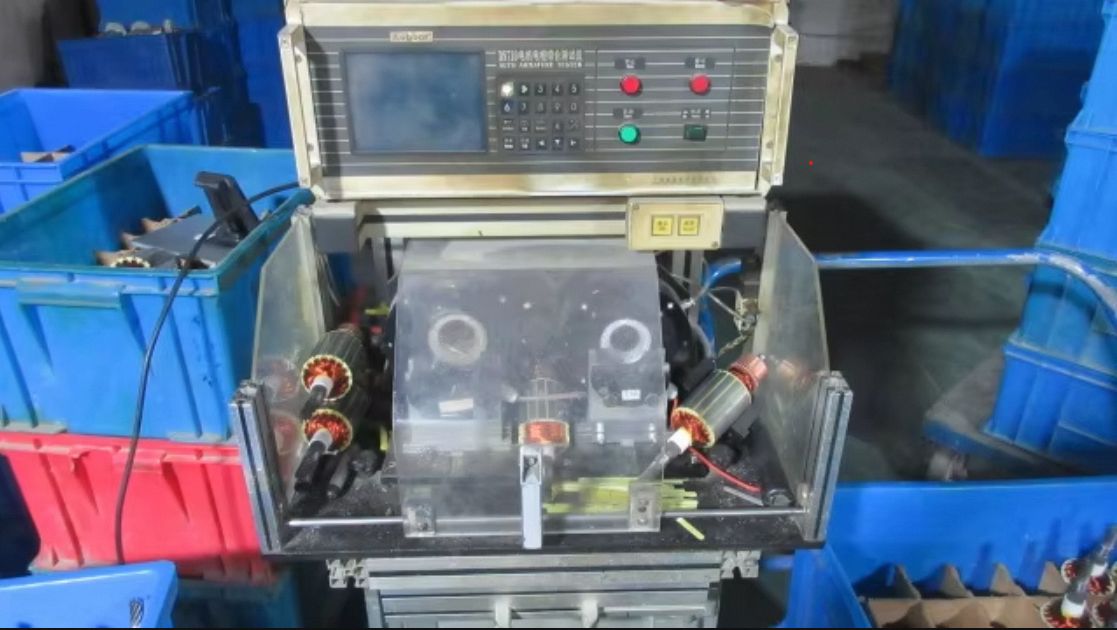
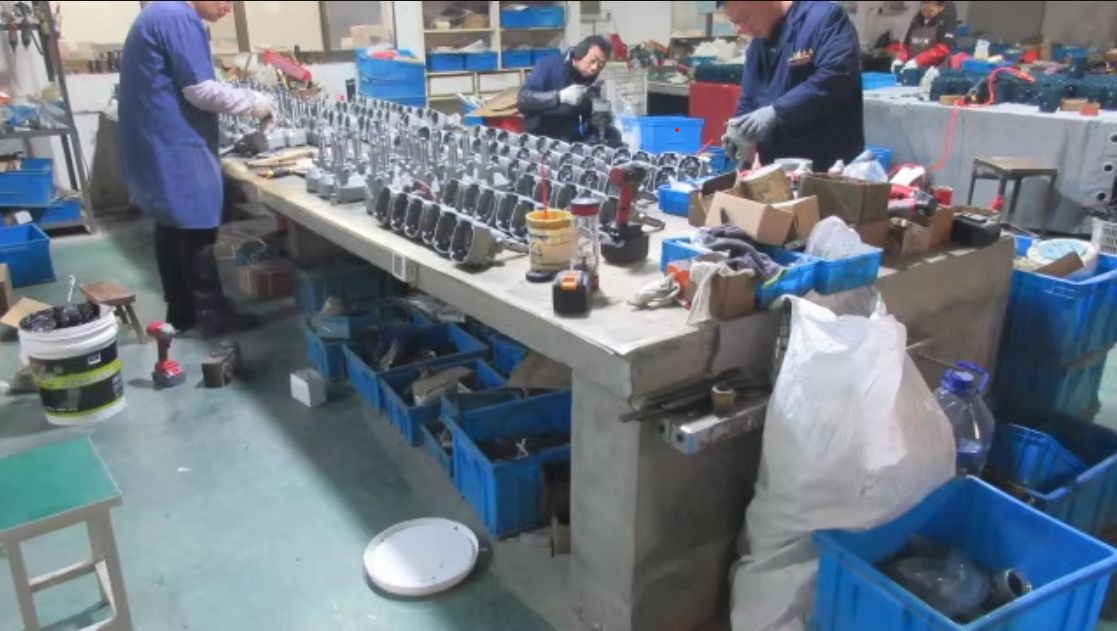
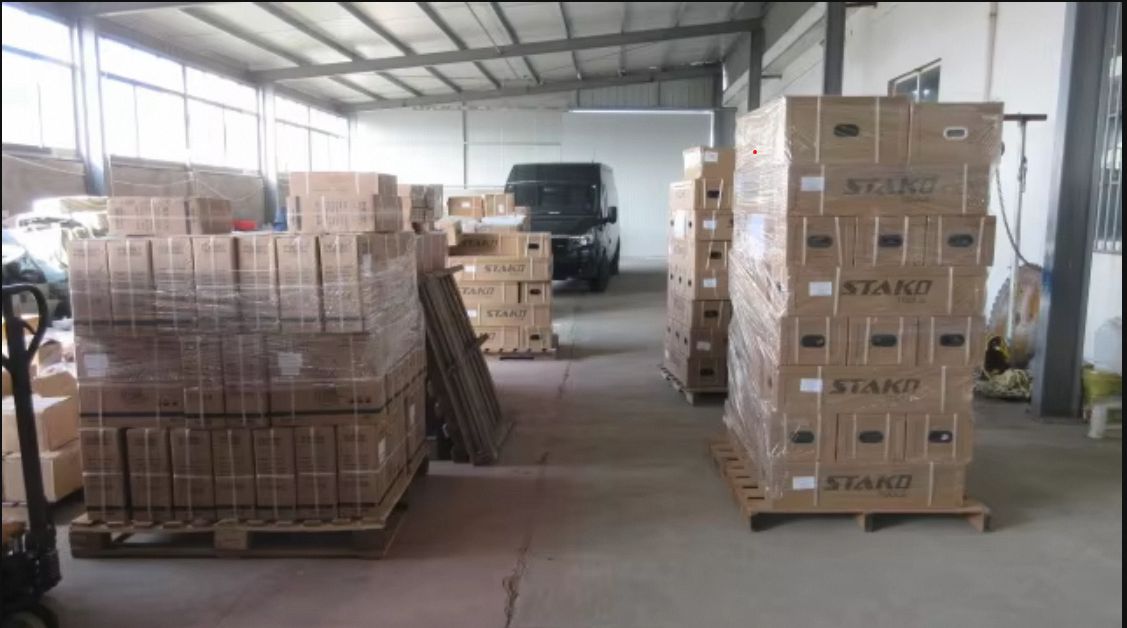
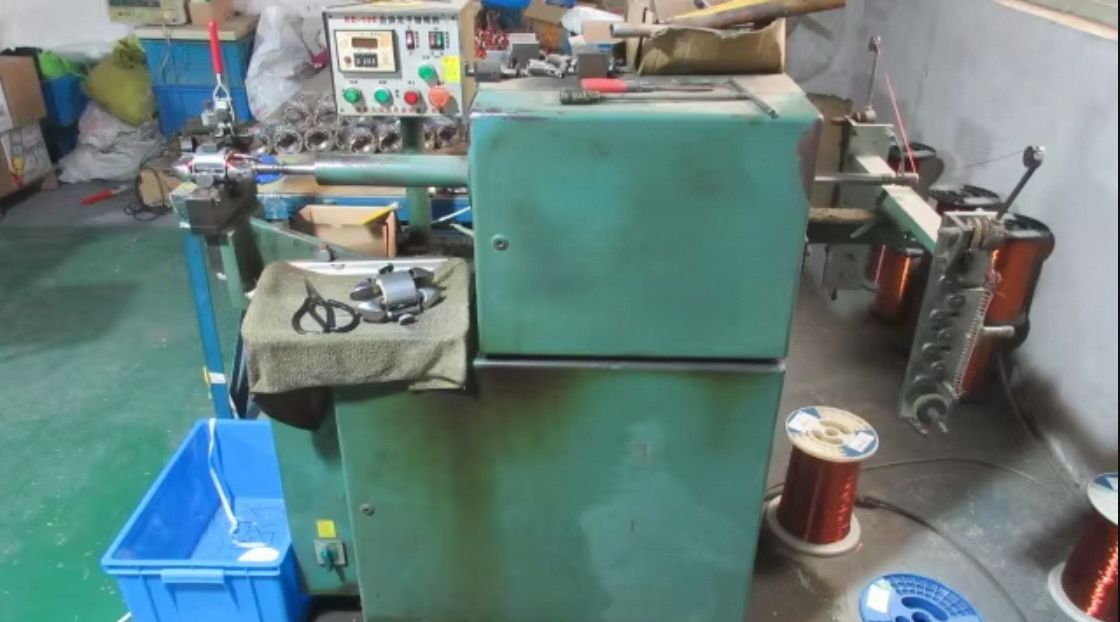
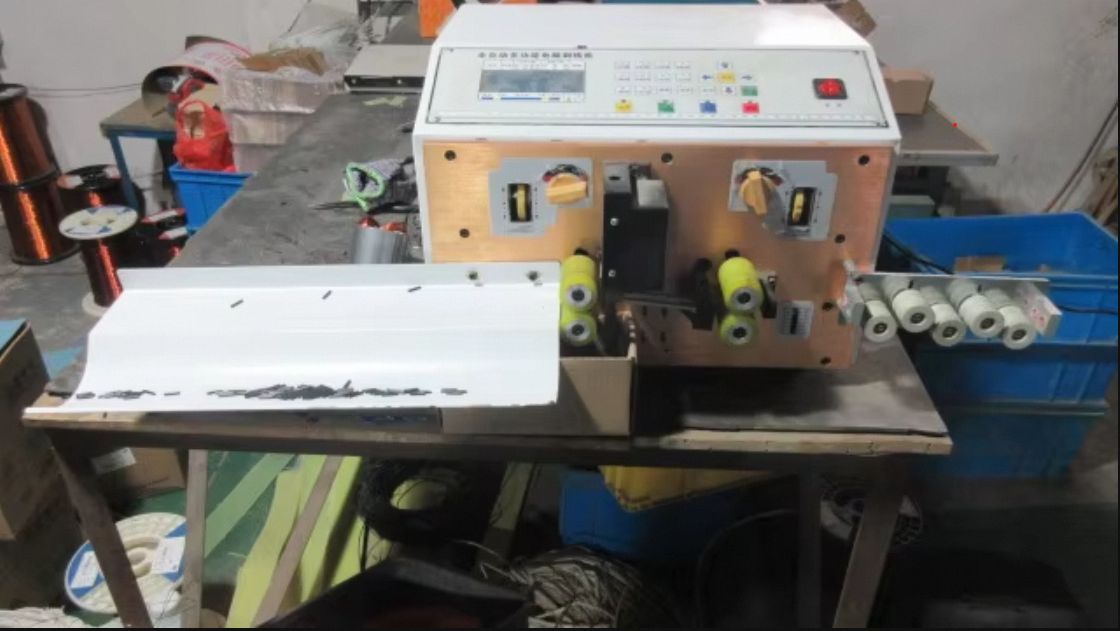
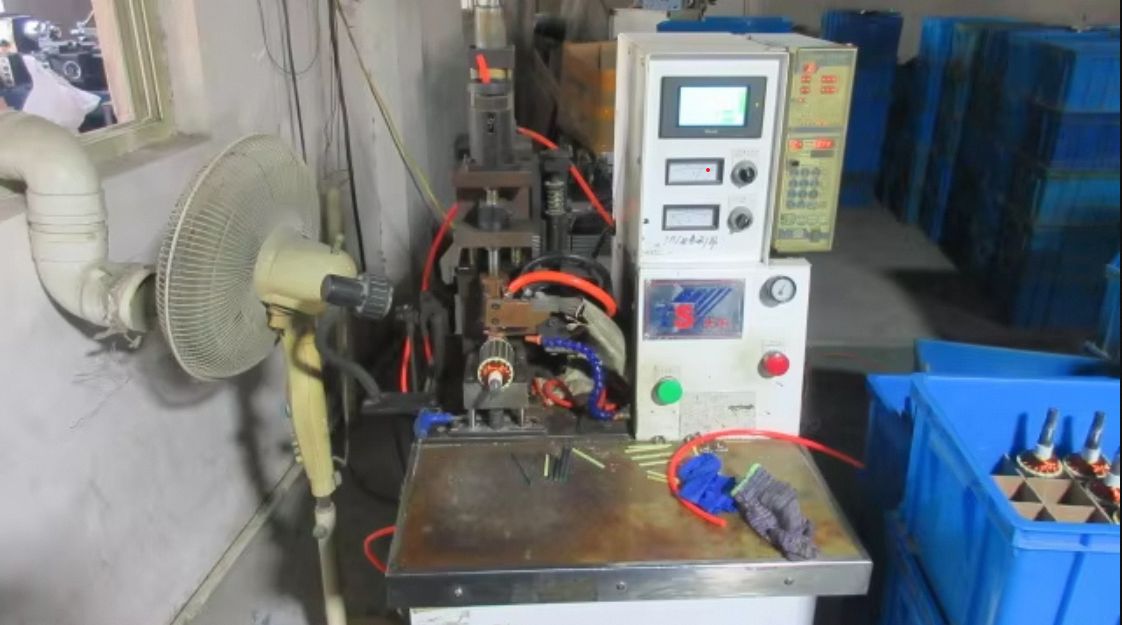
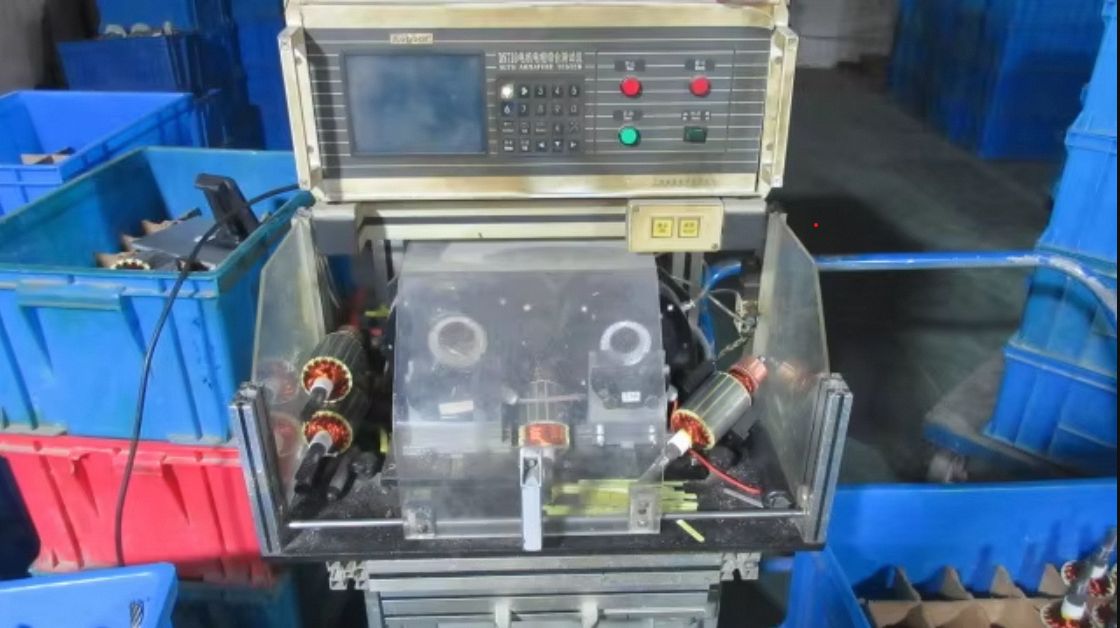
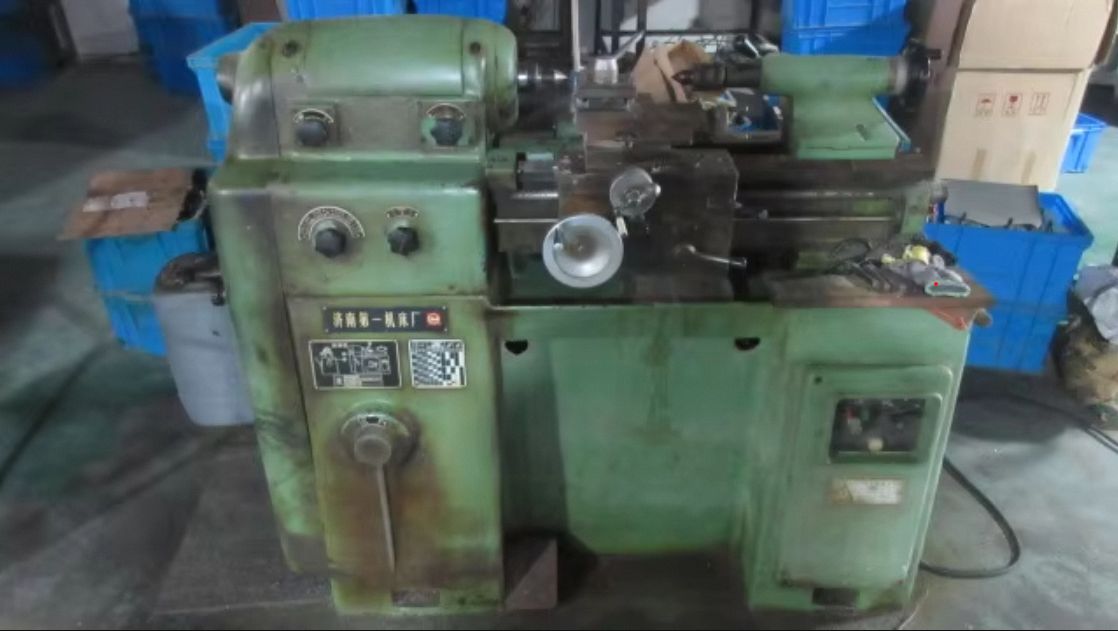
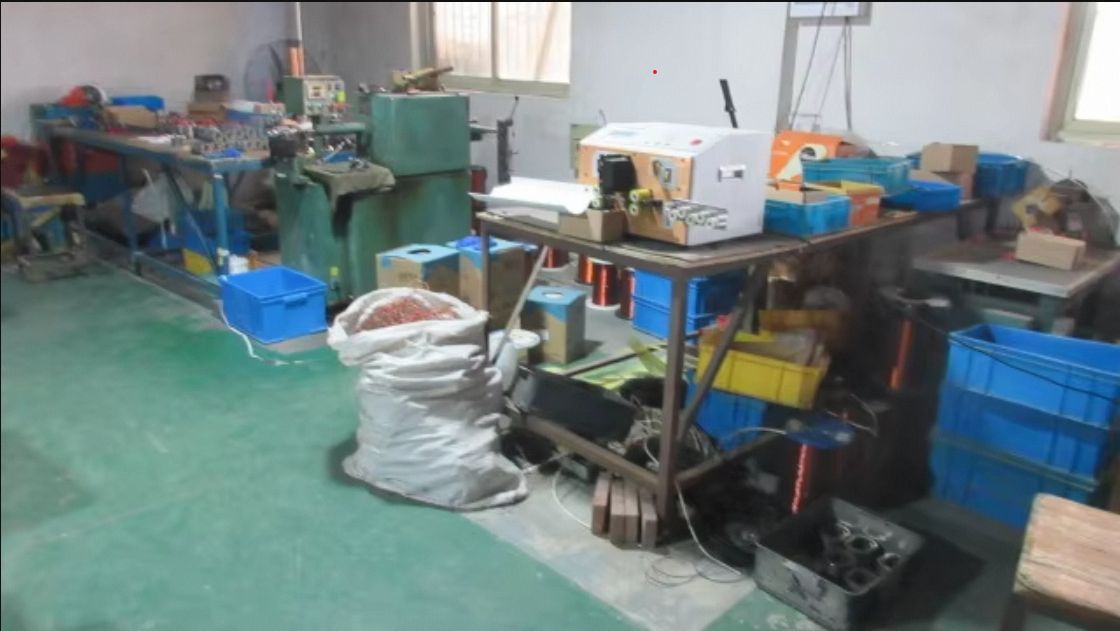
Under strict adherence to ISO 9001 and CE structural guidelines, our production line uses state-of-the-art machinery to guarantee reliability and performance consistency.
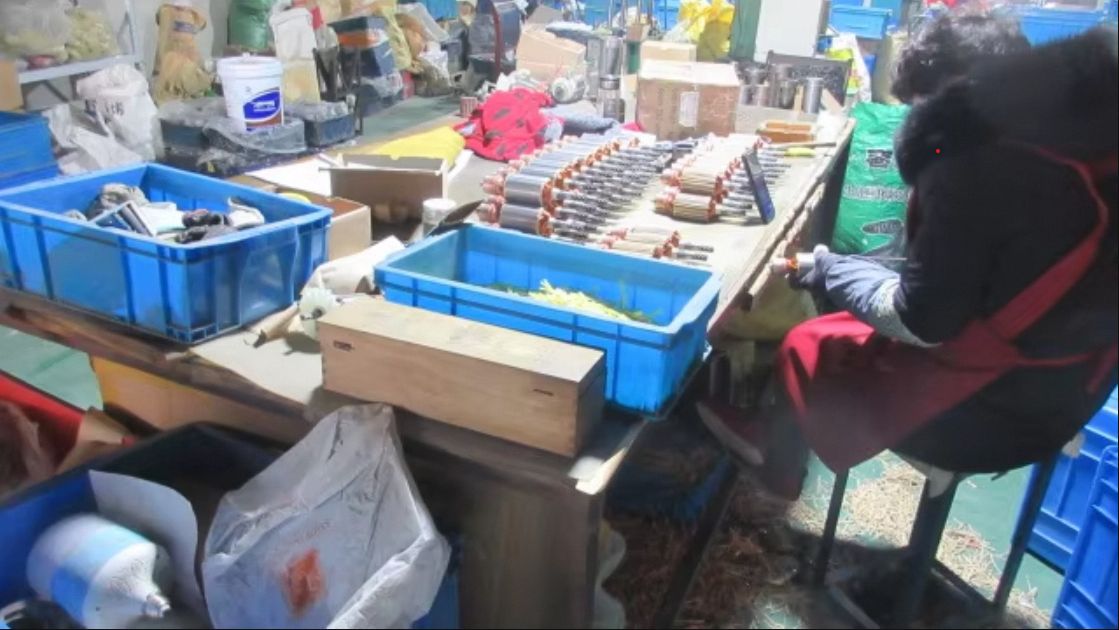
Wire wrapping
Wire Wrapping
Slotware
Slotware
Spot welding
Spot Welding
FT
Finish Turning (FT)
Test
Structural Testing
Assemble
Final Assembly
Finished product
Finished Anchor Products
Winding machine
Winding Operations
Winding machine
Coil Integration
Spot welding
Precision Welding
Test
Quality Inspection
FT
Finish Turning Operations

Zhejiang Pargo Tool Co., Ltd.

Zhejiang Pargo Tool Co., Ltd. is a modern hardware and tool enterprise established in 2023. Prior to its formal branding and company restructuring, the founding team had accumulated nearly 15 years of deep experience in the hardware tools industry, covering product development, manufacturing, quality control, and global trade operations.

Since its official launch under the Pargo brand in 2023, Zhejiang Pargo Tool Co., Ltd. has been committed to building a comprehensive and diversified product ecosystem. The company now operates across multiple categories, including hand tools, power tools, garden tools, automotive tools, bathroom hardware, household hardware, and beauty tools. With strong supply chain integration capabilities and an extensive manufacturing network, Pargo offers a wide product portfolio of more than 10,000 SKUs, enabling it to meet the diverse needs of professional users, wholesalers, and everyday consumers.

Guided by the principles of quality-first, innovation-driven development, and long-term cooperation, Pargo places strong emphasis on continuous improvement in product performance, structural durability, ergonomic design, and user experience. The company actively adopts international production and testing standards, while strengthening strategic partnerships with upstream raw material suppliers and downstream distributors to enhance efficiency, stability, and consistency across its product lines.

Global Operational Strengths

  • 15+ Years Industrial Background: Deep expertise in mechanical engineering, structural hardware manufacturing, and metallurgy.
  • 10,000+ Active SKUs: Providing one-stop solutions for anchoring systems, power tools, hand tools, and plumbing hardware.
  • Strict Testing & E-E-A-T Standards: In-house labs utilizing tensile testing machines, metallurgical microscopes, salt-spray chambers, and dynamic shear testing setups.
  • Supply Chain Integration: Advanced capabilities that lower production costs while maintaining tolerances.
15+
Years Industry Experience
10k+
Product SKUs
100%
ISO & CE Compliance
80+
Exporting Countries

Corrosion Science & Next-Gen Technological Roadmap

The functional lifespan of structural anchors is heavily dependent on the environment in which they are installed. At Zhejiang Pargo, we study corrosion dynamics to ensure our anchors survive decades of exposure. This includes developing surface coating materials that prevent hydrogen embrittlement and galvanic corrosion.

Corrosion Mitigation Technologies

  • Hot-Dip Galvanizing (HDG): Creates a thick zinc barrier layer (typically 50-80 microns) protecting against atmospheric moisture and chlorides.
  • A4 (316) Stainless Steel Alloys: Containing 2-3% Molybdenum to resist pitting corrosion in marine environments and acidic industrial atmospheres.
  • Sherardizing Process: Heat-diffusion zinc coatings that provide uniform, hard wear-resistant layers on threads without changing dimensional tolerances.

Future Engineering Roadmap

  • Smart Anchoring Sensors: Integrating RFID and piezoelectric strain gauges into mechanical anchors to monitor tension changes in real-time.
  • Green Resin Chemistry: Formulating styrene-free, volatile organic compound (VOC) compliant bio-adhesives for chemical injection applications.
  • High-Performance Seismic Anchors: Next-generation carbon-alloy steels designed for ductility during severe seismic shifts.

Industrial Application Scenarios & Engineering Case Studies

The application profile of industrial anchoring spans several complex installation environments. Selecting the wrong anchoring method can lead to structurally catastrophic results. Here are three representative application scenarios designed and calculated by our engineers:

HVAC & MEP Pipe Suspensions

Challenge: Overhead anchoring into cracked concrete ceilings with continuous vibrations from air conditioning compressors and fluid transport.
Solution: High-expansion female drop-in anchors or undercut mechanical anchors verified for dynamic loading and certified with seismic fire ratings.

Structural Steel Columns

Challenge: Supporting main column structures under extreme bending moments and axial forces.
Solution: Heavy-duty chemical capsule studs (M24-M36) utilizing vinylester resin combined with deep embedment designs to ensure ductile failure modes.

Curtain Wall Glass Facades

Challenge: Securing glass facade brackets near the edges of thin floor slabs, requiring low expansion forces.
Solution: Specialized high-strength concrete screw anchors or chemical anchor channels to avoid edge blowout and concrete splitting.

Technical FAQ: Engineering Anchoring Insights

Q1: How do tension loads compare between mechanical wedge anchors and chemical injection systems?
Mechanical wedge anchors rely on localized friction forces created by the expanding clip against the concrete hole surface. This generates high localized stress concentrations, which limits how close they can be installed to edge points or other anchors. Chemical injection systems, conversely, bond along the entire length of the hole via adhesive shear. This distributes forces evenly without creating expansion stress. As a result, chemical anchors provide higher tension capacities at shallow embedments and allow for significantly reduced edge distances.
Q2: Why is concrete cleanliness critical during the installation of structural anchors?
Dust left inside a drilled hole behaves like a barrier or dry lubricant. For mechanical anchors, it reduces the friction factor of the expansion clip, causing premature anchor pull-out. For chemical anchors, dust acts as a barrier that prevents the resin from bonding with the concrete surface, which can reduce load capacity by up to 50%. The hole should always be cleaned using the blow-brush-blow (BBB) protocol or an industrial hollow drill bit with integrated vacuum extraction.
Q3: What makes an anchor suitable for seismic design categories (SDC) C1 and C2?
Under seismic conditions, concrete will crack and close dynamically, while the structural connection is subjected to extreme cyclic shear and tension forces. A seismic qualified C2 anchor is tested to maintain its load-bearing capacity even in dynamic crack widths up to 0.8mm. The anchor body must be ductile, and mechanical anchors must feature specialized geometries that allow for follow-up expansion if displacement occurs during structural shifts.
Q4: How does temperature affect chemical injection anchor design?
Chemical resins are temperature-sensitive organic polymers. High ambient temperatures during installation reduce the gel and curing times of the adhesive, demanding faster installation. Long-term elevated temperatures under load can lead to polymer creep, which can result in anchor displacement. In such environments, vinylester or pure epoxy resins formulated for high-temperature resistance should be specified, and load reduction factors must be applied according to design codes.
Q5: Can mechanical expansion anchors be safely installed in masonry or hollow bricks?
Standard high-load expansion wedge anchors are generally not recommended for masonry or hollow bricks because their high expansion forces can easily crack the substrate. Instead, sleeve anchors, drop-in anchors with shallow embedments, or chemical injection rods paired with perforated mesh sleeves (plastic or metal screens) should be used. The mesh sleeve contains the resin and allows it to form a mechanical key inside the cavities of hollow brick materials.